
Arunachal Pradesh
Welcome to Arunachal Pradesh
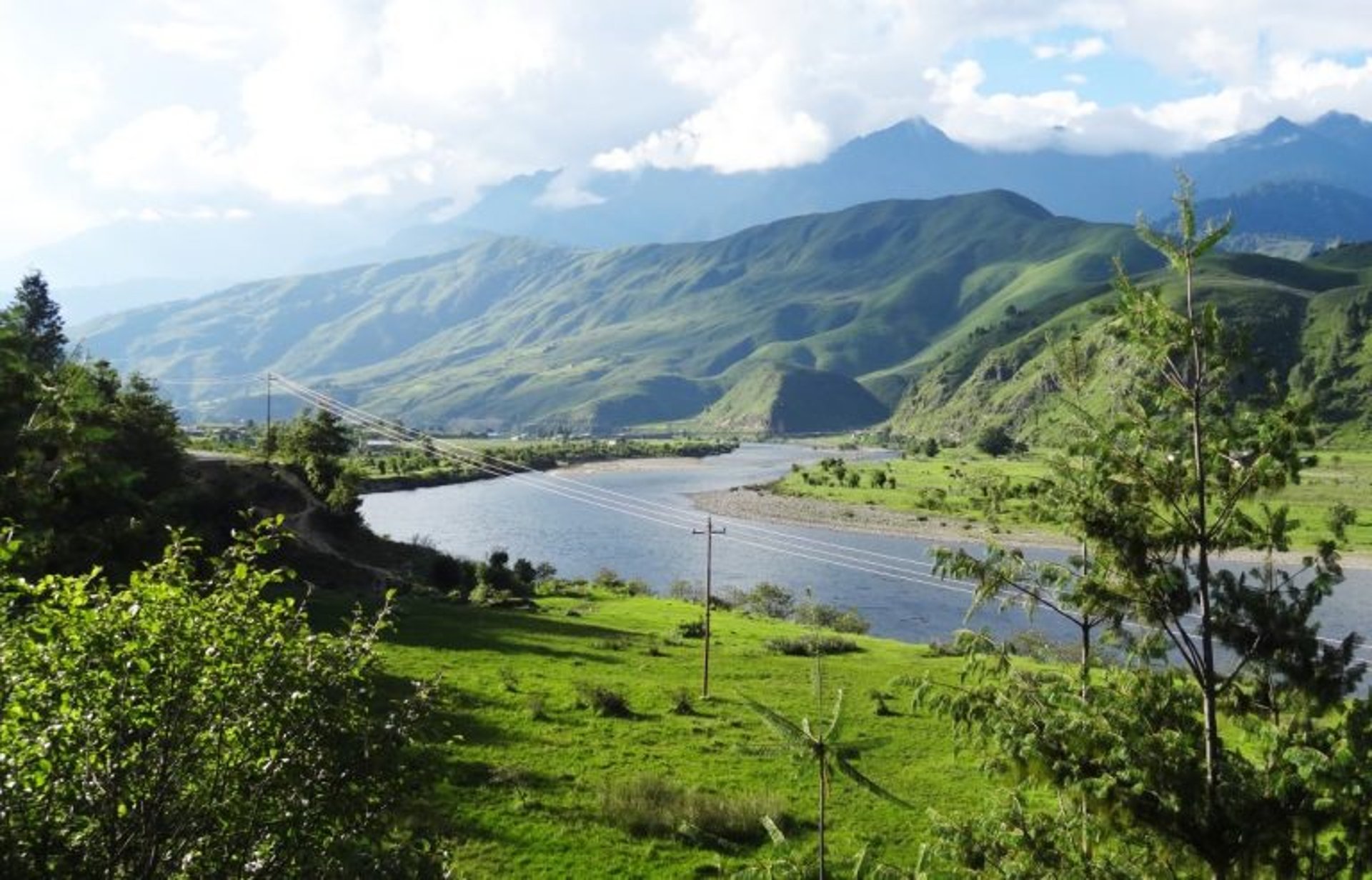
Arunachal Pradesh is not a destination that reveals itself all at once. It is a land best experienced slowly, one winding mountain road at a time. Hidden in the far northeastern corner of India, this vast Himalayan frontier is a place where snow-covered peaks, ancient monasteries, remote villages, and untamed rivers create an experience unlike anywhere else in the country.
Often called the "Land of the Rising Sun," Arunachal Pradesh is India's easternmost state and the first to greet each new day. Here, dramatic mountain passes lead to hidden valleys, prayer flags flutter in the cold mountain breeze, and centuries-old traditions continue to shape everyday life.
From the spiritual tranquillity of Tawang Monastery and the breathtaking beauty of Sela Pass to the lush landscapes of Ziro Valley and the wild rivers that carve their way through the mountains, Arunachal Pradesh is a paradise for travellers who seek discovery rather than convenience.
This is not a place for hurried sightseeing. It is a destination for those who enjoy long road journeys, spectacular landscapes, meaningful cultural encounters, and the thrill of exploring places that remain largely untouched by mass tourism.
Come to Arunachal Pradesh not just to see the mountains, but to experience a way of life that exists in harmony with them. Here, every valley has a story, every road leads to an adventure, and every sunrise feels like the beginning of something extraordinary.

Places of interest in Arunachal Pradesh
Tawang
Nestled high in the Eastern Himalayas, Tawang is one of the most spectacular destinations in Arunachal Pradesh. Known for its snow-covered mountains, ancient Buddhist monasteries, peaceful valleys and rich Monpa culture, it offers a memorable combination of spirituality, adventure and natural beauty. Visitors can explore traditional markets, experience the warmth of local hospitality, enjoy panoramic mountain views and discover the region's deep-rooted Buddhist heritage.
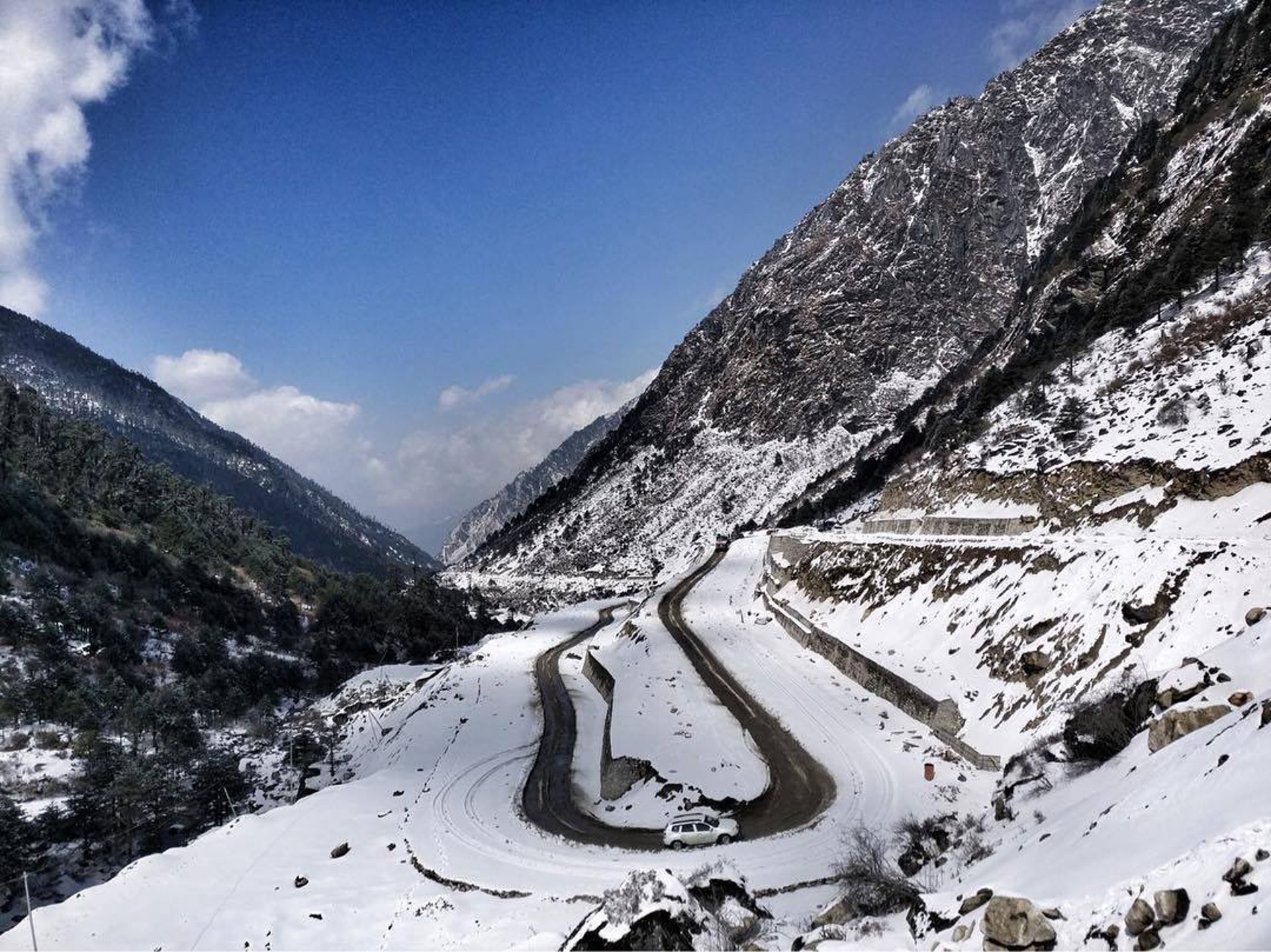
Tawang is especially appealing to travellers who enjoy mountain road journeys, photography, cultural experiences and peaceful Himalayan landscapes. The journey from Bomdila via Sela Pass is itself a major attraction, with dramatic mountain scenery along the way. Because of its high altitude, visitors should allow time to acclimatise and check road and weather conditions before travelling.
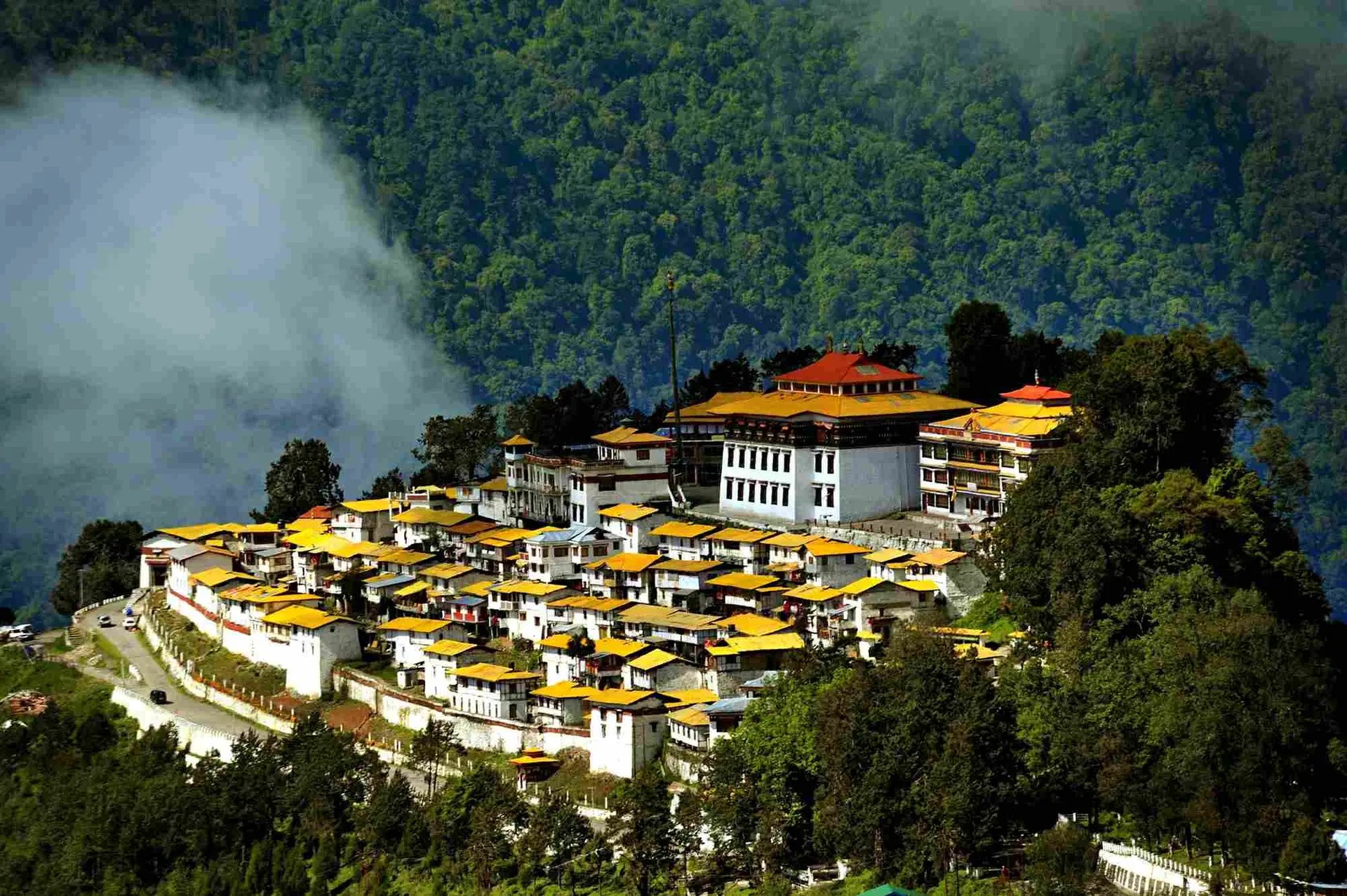
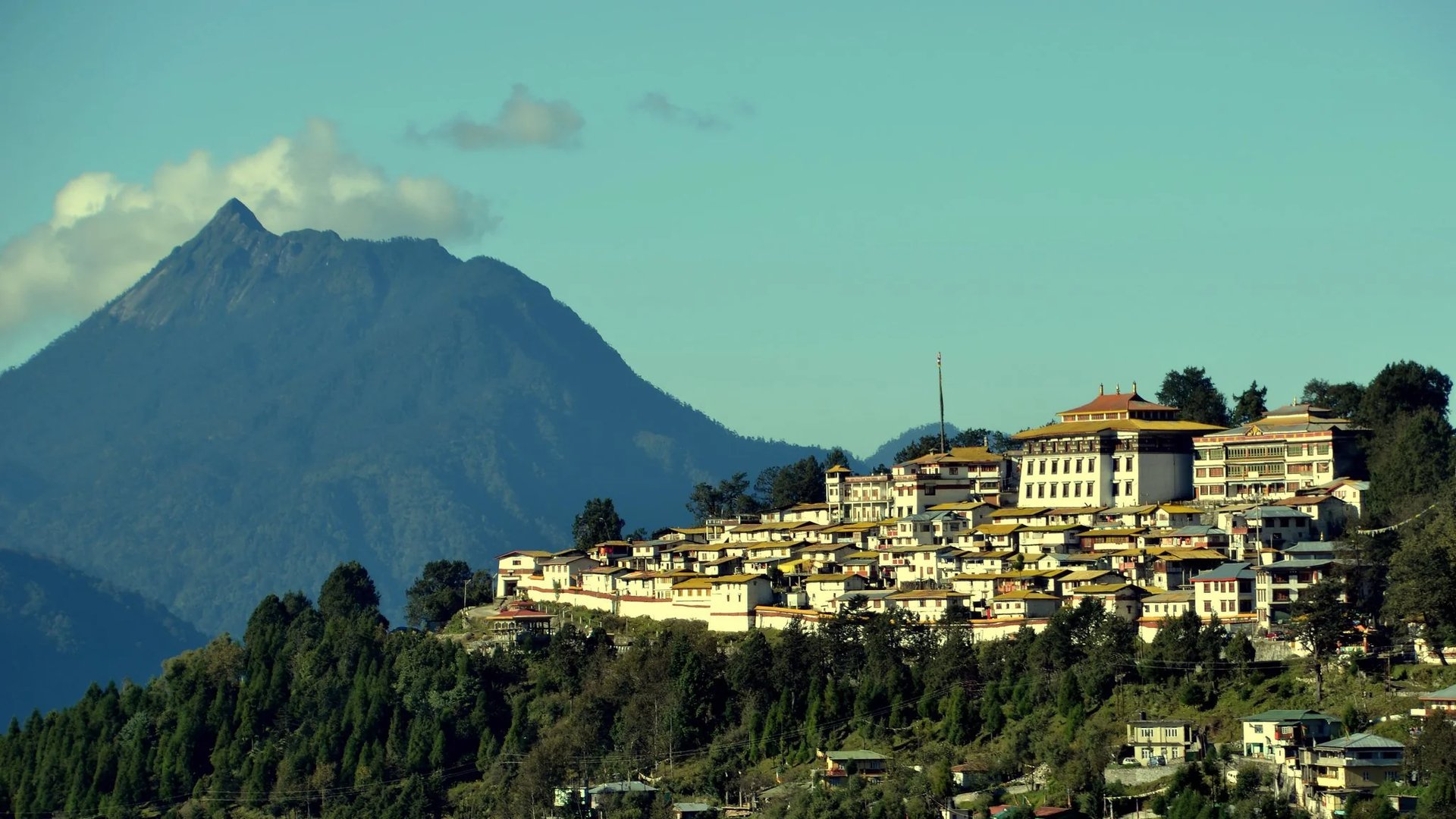
Tawang Monastery
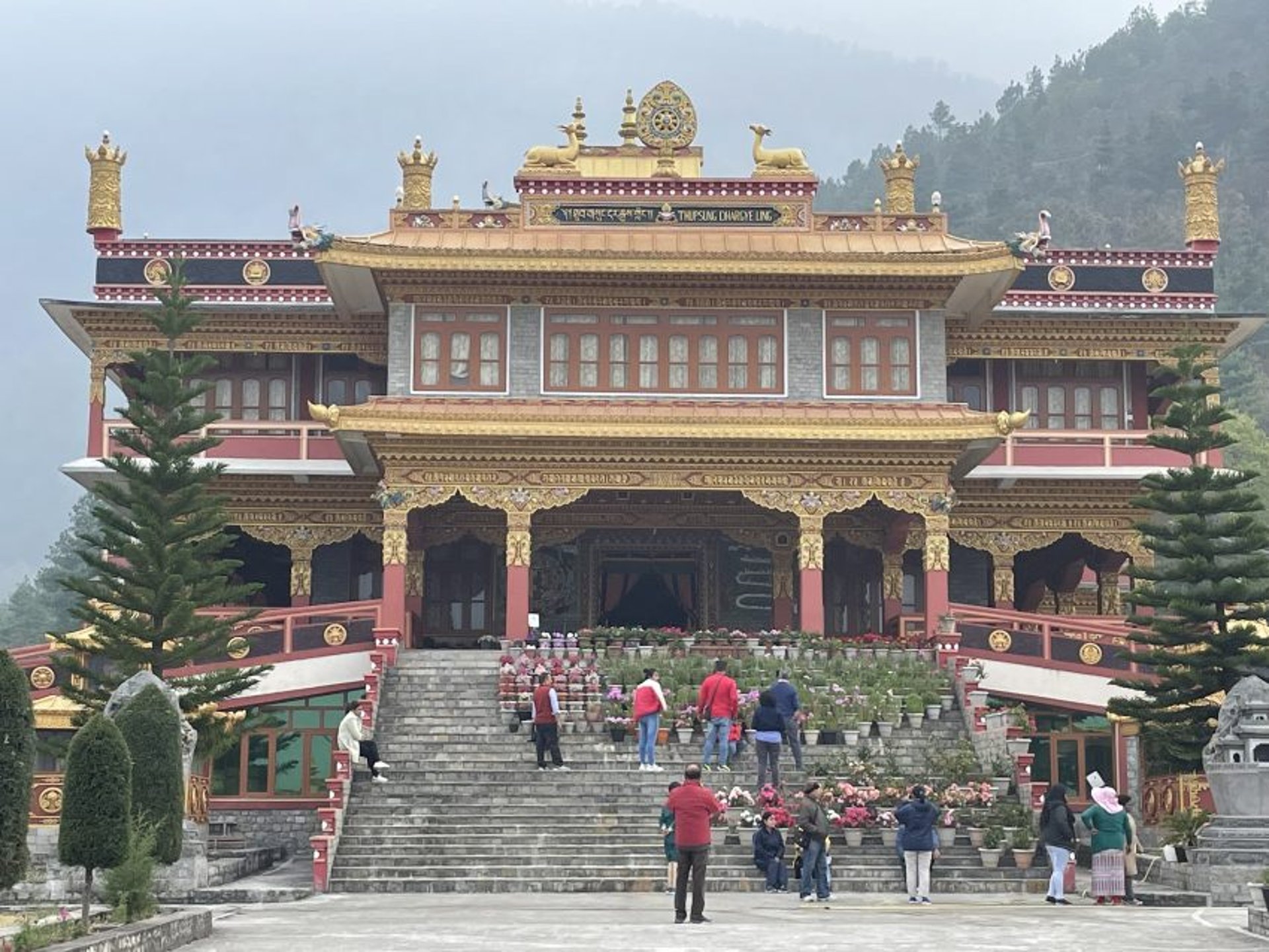
Overlooking the Tawang Valley, Tawang Monastery is one of the most important centres of Tibetan Buddhist learning in India and the largest Buddhist monastery in the country. Founded in 1680–81, the monastery features an impressive prayer hall, a large golden Buddha statue, colourful murals, traditional architecture and a library preserving valuable Buddhist texts. Its peaceful atmosphere makes it an essential stop for anyone interested in spirituality, history and Himalayan culture.
Visitors can observe monks going about their daily routines, appreciate intricate religious artwork and enjoy magnificent views of the surrounding mountains. Modest clothing, quiet behaviour and respect for prayer activities are recommended.
Sela Pass and Sela Lake
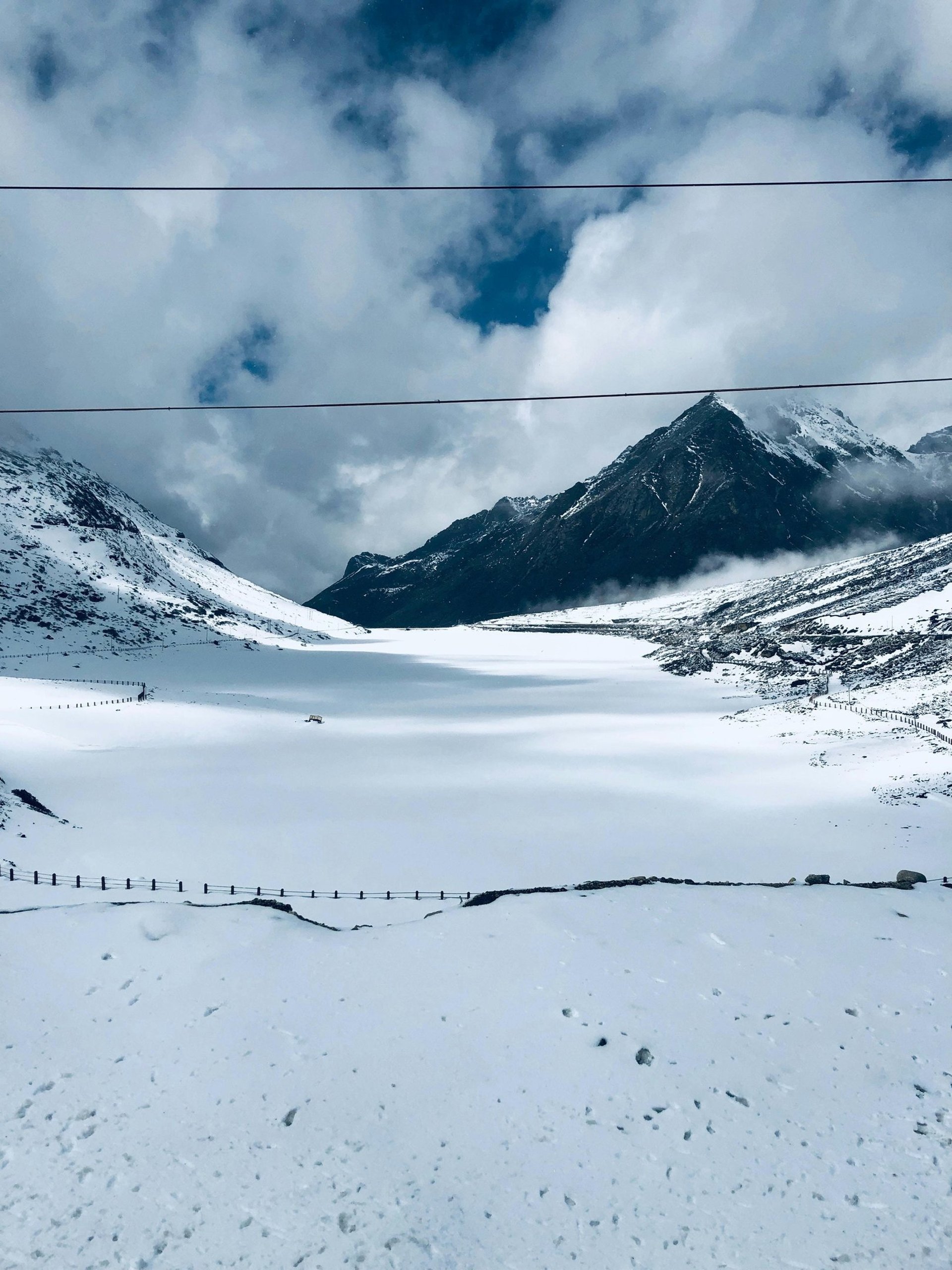
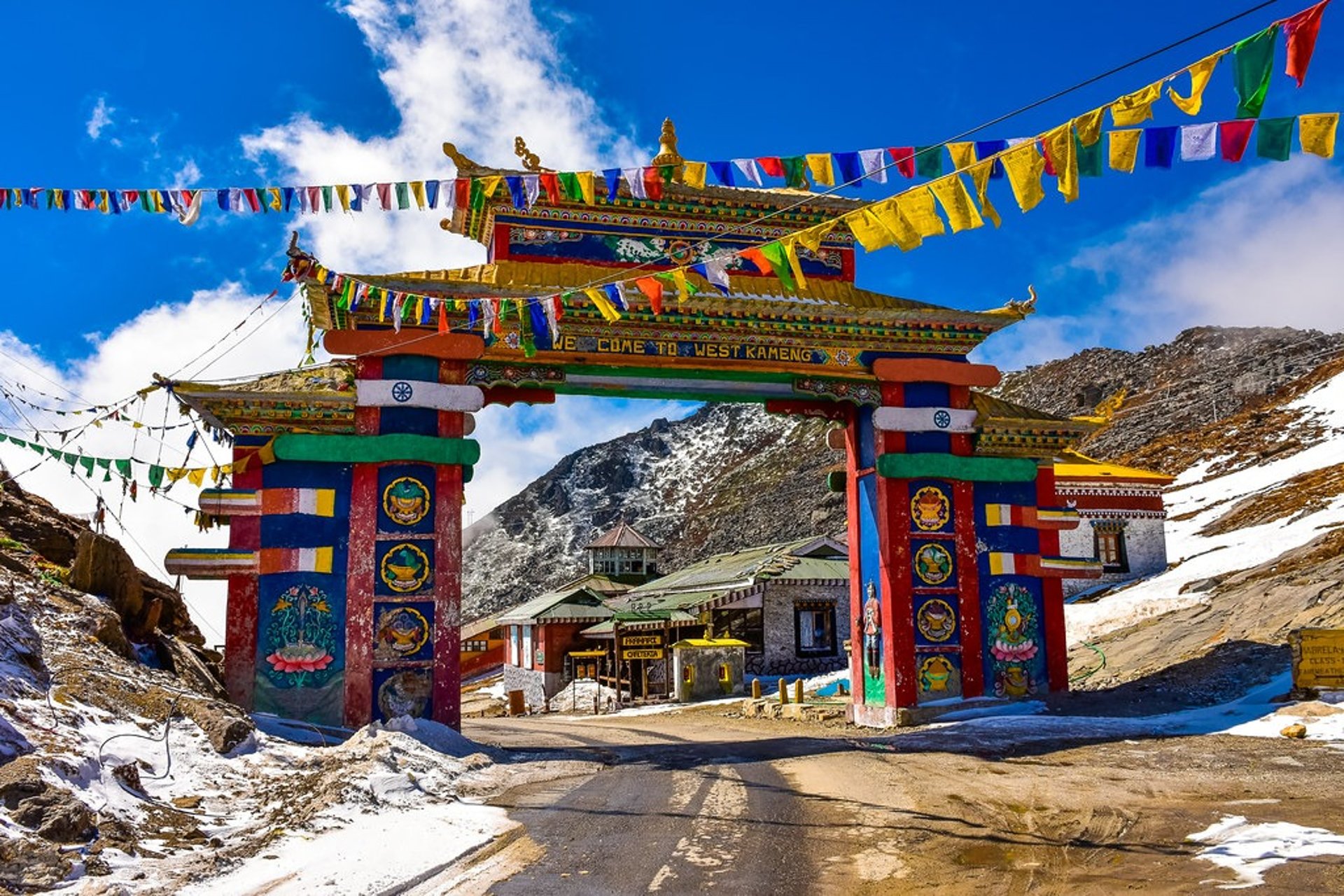
Sela Pass is a spectacular high-altitude mountain pass that serves as the principal road gateway to Tawang. Surrounded by rugged Himalayan peaks, the pass offers breathtaking views, dramatic landscapes and a chance to experience the grandeur of the Eastern Himalayas. Snowfall during winter can transform the area into a beautiful white landscape, making it particularly attractive to photographers and mountain lovers.
Nearby, Sela Lake, often called Paradise Lake, adds to the beauty of the journey. Travellers should carry warm clothing throughout the year, check weather and road conditions, and allow extra time for the mountain drive. Heavy snowfall can occasionally disrupt road access.
Sangetsar Lake (Madhuri Lake)
Sangetsar Lake, popularly known as Madhuri Lake, is one of the most distinctive natural attractions near Tawang. The lake is famous for the unusual tree trunks rising from its waters, surrounded by rugged mountains and, during suitable seasons, snow-covered peaks. Its remote setting and striking scenery create a memorable experience for visitors seeking something beyond the usual hill-station landscape.
The drive to the lake is an attraction in itself, with impressive mountain views along the way. Access is subject to local authorisation and prevailing road and weather conditions, so travellers should confirm the latest requirements before departure.
Bum La Pass
Bum La Pass is a high-altitude mountain pass near the India–China border. It is known for its strategic significance, dramatic Himalayan terrain and historical connection with the Dalai Lama's journey into India in 1959. For many visitors, the journey offers a rare opportunity to appreciate the geography and history of India's remote Himalayan frontier.
The area is subject to strict access controls. Visitors generally need prior permission from the district authorities and the required military clearance, and travel is dependent on weather and road conditions. It is best visited with an authorised local operator.
Nuranang Falls (Jang Falls)
Nuranang Falls, also known as Jang Falls, is a magnificent waterfall cascading through a forested mountain landscape. Its powerful flow, misty surroundings and lush greenery make it one of the most photogenic stops on the Tawang route. The sound of the falling water and the cool mountain air create a refreshing break from a long drive.
The waterfall is a favourite among nature lovers, couples and photography enthusiasts. It can often be included in a road itinerary between Tawang and Dirang or Bomdila, depending on the route and overnight plan.
Tawang War Memorial
The Tawang War Memorial honours the Indian soldiers who fought during the 1962 India–China War. Set against a dramatic Himalayan backdrop, the memorial is a place of remembrance and reflection, helping visitors understand the sacrifices made by soldiers in this challenging frontier region.
The memorial is particularly meaningful for travellers interested in military history and India's border heritage. Visitors can combine it with Tawang Monastery and other attractions within the town.
Urgelling Monastery
Urgelling Monastery is a historic Buddhist monastery traditionally recognised as the birthplace of the Sixth Dalai Lama, Tsangyang Gyatso. Smaller and quieter than Tawang Monastery, it offers visitors an opportunity to explore a place of deep religious significance in a peaceful setting.
It is a worthwhile addition for travellers who want to understand the spiritual history of Tawang beyond its most famous landmark. Visitors should check local access and opening arrangements before travelling.
P.T. Tso Lake
Pankang Teng Tso, commonly called P.T. Tso, is a beautiful high-altitude lake surrounded by mountain slopes and seasonal vegetation. The changing colours of the water and the surrounding landscape make it a rewarding destination for scenic drives, photography and quiet moments in nature.
During colder months, the lake may freeze, while spring and summer can bring different colours to the surrounding vegetation. Conditions vary considerably with altitude and season, so visitors should check accessibility before planning a visit.
Dirang
Dirang is a charming mountain town situated along the popular route to Tawang. Known for its pleasant valley scenery, traditional settlements, rivers and orchards, Dirang is an excellent place to slow down and enjoy the quieter side of the Himalayas. It provides a refreshing contrast to the higher, colder landscapes around Sela Pass.
Visitors can explore local villages, experience the culture of the Monpa and neighbouring communities, and enjoy scenic walks around the valley. Dirang is also a practical overnight stop for travellers driving between Assam and Tawang, helping break the journey into manageable sections.
Dirang Dzong
Dirang Dzong is a historic fortified settlement known for its traditional stone houses, narrow lanes and distinctive architecture. It offers a glimpse into the older ways of life in the Eastern Himalayas, when settlements were built to suit the climate, terrain and local needs.
A visit here is especially rewarding for travellers interested in heritage, architecture and village culture. Walk through the settlement respectfully and ask permission before photographing residents or private homes.
Sangti Valley
Sangti Valley is a peaceful valley of green meadows, flowing streams, mountain slopes and scattered settlements. Its open landscapes and relaxed atmosphere make it ideal for nature lovers, birdwatchers and travellers looking for a quieter alternative to busy tourist centres. The valley is also associated with seasonal sightings of black-necked cranes, which migrate to the region during the colder months.
Visitors can enjoy photography, village walks and the scenery of the surrounding mountains. Wildlife sightings are never guaranteed, and travellers should avoid disturbing birds or their habitats.
Bomdila
Bomdila is a picturesque hill town known for mountain views, Buddhist monasteries, apple orchards and traditional handicrafts. Its location makes it a popular stop on the journey from Assam towards Tawang, while its cultural attractions and cooler climate make it worthwhile as a destination in its own right.
Travellers can explore local markets, visit monasteries, buy regional woollen products and enjoy panoramic views on clear days. Bomdila is particularly suitable for families and travellers who want a comfortable stop before continuing to higher-altitude destinations.
Bomdila Monastery
Bomdila Monastery is a prominent Buddhist religious centre that reflects the Tibetan Buddhist traditions of the region. Its prayer halls, religious artwork and peaceful surroundings offer visitors an introduction to the spiritual culture of western Arunachal Pradesh.
It is an excellent stop for travellers interested in Buddhist architecture and local traditions. Visitors should be mindful of religious activities, dress respectfully and follow any photography restrictions.
Thembang Heritage Village
Thembang Heritage Village is a historic fortified village associated with the Monpa community. Its traditional stone houses, defensive structures and distinctive settlement layout offer insight into the region's cultural heritage and traditional Himalayan architecture. The village is an appealing destination for those who prefer cultural discovery and less-commercialised experiences.
Visitors can explore the village with respect for local customs and community life. As the settlement is also a living home for residents, it is important to seek permission before photographing people or entering private properties.
Tippi Orchid Research Centre
The Tippi Orchid Research Centre is a rewarding stop for visitors interested in the extraordinary plant diversity of Northeast India. Arunachal Pradesh is renowned for its orchids, and the centre introduces travellers to the region's botanical richness and conservation efforts.
It is a good addition to a road journey through the Bhalukpong–Bomdila corridor, particularly for families, nature enthusiasts and photography lovers. Visitors should check opening arrangements and seasonal displays before planning a dedicated visit.
Ziro Valley
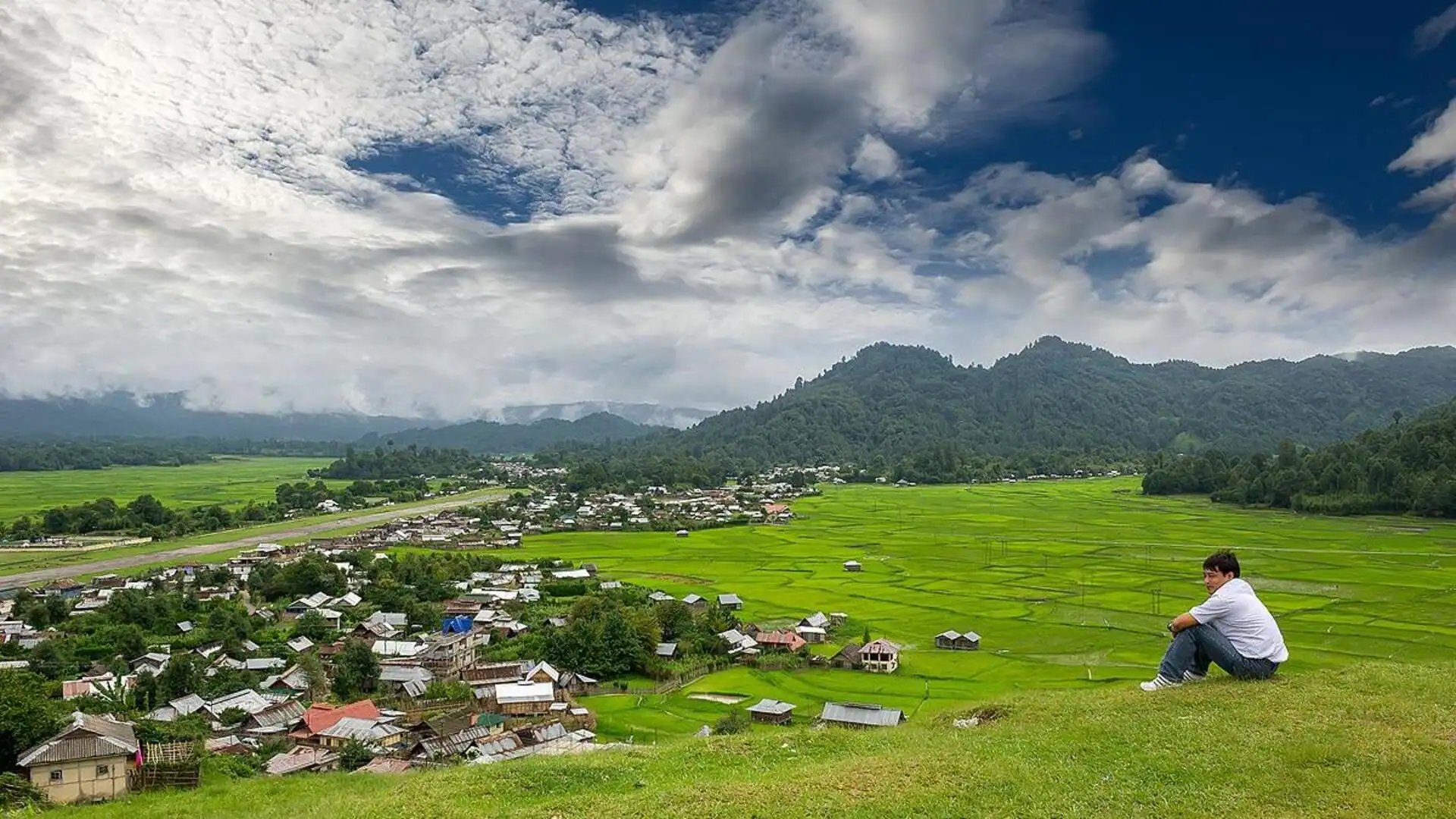
Ziro Valley is one of the most beautiful and culturally distinctive destinations in Arunachal Pradesh. Surrounded by pine-covered hills, green rice fields and misty mountains, the valley is home to the Apatani people, whose traditional agricultural practices and community life have attracted interest from visitors and researchers alike.
Ziro is ideal for slow travel, photography, nature walks and cultural experiences. Travellers can explore traditional villages, sample local food, learn about Apatani customs and enjoy the peaceful rural landscape. The valley is also famous for the Ziro Music Festival, generally held in September, although dates and arrangements vary each year.
Hong Village
Hong Village is one of the best-known Apatani settlements in the Ziro region. The village offers an opportunity to experience the distinctive cultural identity of the Apatani people, whose traditional homes, community practices and close connection with the land form an important part of the valley's character.
A guided village walk can help visitors understand local customs, traditional architecture and the region's agricultural heritage. As this is a living community rather than an open-air museum, responsible tourism and respect for residents are essential.
Apatani Paddy Fields
The paddy fields of Ziro are among the valley's most distinctive attractions. The Apatani community is known for its traditional system of wet-rice cultivation integrated with fish farming, reflecting generations of local knowledge about water management and sustainable agriculture. The geometric patterns of the fields, framed by forested hills, create beautiful scenery throughout the growing season.
Visitors can enjoy rural walks, landscape photography and a closer appreciation of the relationship between the Apatani community and its environment. The appearance of the fields changes with the agricultural calendar, so the best views depend on the time of year.
Talley Valley Wildlife Sanctuary
Talley Valley Wildlife Sanctuary protects a rich landscape of forests, mountain ridges and diverse wildlife near Ziro. It is particularly attractive to nature enthusiasts, birdwatchers and travellers interested in the biodiversity of the Eastern Himalayas. The sanctuary's forested terrain provides a striking contrast to the cultivated valley below.
Exploring this area may require advance arrangements, local guidance and suitable footwear. Access and trekking opportunities depend on local rules, weather and trail conditions, so visitors should make enquiries before setting out.
Ziro Music Festival
The Ziro Music Festival is one of India's best-known outdoor music festivals, bringing together independent musicians, music lovers and visitors from across the country and abroad. Held in the valley's beautiful natural setting, it combines live performances with a distinctive atmosphere shaped by pine forests, open skies and the cultural character of Ziro.
Travellers planning to attend should check the official dates, ticket availability, transport arrangements and accommodation well in advance. During the festival, rooms and transport can become limited, so early booking is strongly recommended.
Itanagar
Itanagar is the capital of Arunachal Pradesh and an excellent starting point for exploring the state's cultural and historical attractions. The city blends modern development with traditional tribal heritage, forested hills and important historical sites. Visitors can discover local markets, museums, monasteries and nearby natural attractions while learning about the diverse communities of the state.
Itanagar is also a practical base for arranging transport, permits and onward journeys to destinations such as Ziro, Daporijo and Pasighat. Travellers can spend a day exploring the city before continuing into the more remote mountain and valley regions.
Ita Fort
Ita Fort is a historic fort whose name is derived from the word ita, meaning brick. The surviving brick walls and remains provide a glimpse into the region's past and are an important part of Itanagar's historical identity. The site is particularly interesting for visitors who enjoy archaeology and local history.
Although the fort is not a fully preserved palace or fortress, its remains offer an opportunity to explore an important historical landmark. Visitors should allow time to appreciate the surviving structures and check local access arrangements.
Ganga Lake (Gekar Sinyi)
Ganga Lake, locally known as Gekar Sinyi, is a scenic natural lake surrounded by lush greenery and forested hills. Its peaceful atmosphere makes it a popular escape from the bustle of the capital, with opportunities to enjoy the landscape, take photographs and relax in nature.
The lake is a good choice for families, couples and travellers looking for a short outing. Visitors should follow local rules regarding boating and other recreational activities and help keep the surroundings clean.
Jawaharlal Nehru State Museum
The Jawaharlal Nehru State Museum introduces visitors to the cultural diversity of Arunachal Pradesh through displays of traditional clothing, handicrafts, household objects, ornaments, musical instruments and other aspects of indigenous life. It is a useful place to begin understanding the many communities whose languages, customs and traditions make the state so distinctive.
For travellers with limited time, the museum provides valuable context before visiting tribal villages and cultural festivals across the state. Check current opening days and timings before your visit.
Ita Fort and Itanagar Buddhist Heritage Circuit
Visitors can also explore the city's Buddhist religious sites, including Thupten Gatseling Monastery and the Theravada Buddhist Temple. Together with Ita Fort, the State Museum and Ganga Lake, these attractions offer a varied introduction to Itanagar's history, spirituality and natural surroundings.
This is a convenient sightseeing option for travellers arriving at Donyi Polo Airport or beginning a longer road trip through Arunachal Pradesh.
Pasighat
Pasighat is widely regarded as the oldest town in Arunachal Pradesh, established in 1911. Situated near the mighty Siang River, it offers a combination of river scenery, agricultural landscapes, cultural experiences and access to the eastern part of the state. The town is especially appealing to travellers interested in river-based landscapes and indigenous cultures.
Pasighat can serve as a base for exploring nearby villages, nature areas and the Siang region. The surrounding scenery changes dramatically with the seasons, and the river provides a striking backdrop for photography and sightseeing.
Siang River
The Siang River is one of the defining natural features of eastern Arunachal Pradesh. Flowing from the Tibetan Plateau into India, it forms a spectacular river landscape surrounded by forested hills, agricultural land and settlements. The river is particularly important to local communities and contributes to the cultural and geographical identity of the region.
Visitors can enjoy scenic viewpoints and learn about the river's significance to the people living along its banks. Any boating, rafting or other river activity should be arranged through qualified local operators, with safety and seasonal water conditions given priority.
Daying Ering Memorial Wildlife Sanctuary
Daying Ering Memorial Wildlife Sanctuary is a protected natural area of river islands, grasslands, wetlands and forest patches near Pasighat. Its varied habitats support birds and other wildlife, making it an appealing destination for nature enthusiasts and birdwatchers.
The sanctuary is especially interesting for visitors who want to explore the biodiversity of the Siang region. Wildlife sightings depend on season and conditions, so a local guide can help identify suitable viewing areas and explain conservation practices.
Sirki Waterfall
Sirki Waterfall is a natural attraction in the Pasighat region, offering a refreshing stop amid green surroundings and rugged terrain. The sound of cascading water and the surrounding vegetation make it appealing to visitors who enjoy nature photography and short excursions.
The waterfall can be included in a broader Pasighat sightseeing plan, subject to local access and weather. Take care on wet or slippery paths, particularly during the monsoon season.
Mechuka (Menchukha)
Mechuka is a beautiful and relatively remote Himalayan valley close to India's international frontier. Surrounded by mountain ranges, pine forests, open meadows and the Yargyap Chu River, it offers a peaceful setting for travellers seeking unspoilt landscapes and a slower pace of travel. Traditional settlements, wooden houses and the distinctive culture of the local Memba community add to its appeal.
Mechuka is particularly rewarding for road-trip enthusiasts, photographers, nature lovers and travellers who wish to explore beyond the more frequently visited destinations of Arunachal Pradesh. The journey itself can be long, and road conditions may change with the weather. Visitors should plan adequate time, confirm accommodation and travel arrangements in advance, and avoid treating Mechuka as a quick side trip.
Samten Yongcha Monastery
Samten Yongcha Monastery is a historic Buddhist monastery located on a hill overlooking the Mechuka region. Its religious significance and peaceful setting make it one of the valley's most memorable cultural attractions. Visitors can appreciate the monastery's traditional architecture and enjoy views of the surrounding mountains and settlements.
The monastery is particularly suitable for travellers interested in Buddhist heritage and local traditions. Access may involve a climb or uneven ground, so comfortable footwear is recommended.
Neh Pemashubu
Neh Pemashubu is a Buddhist pilgrimage site associated with the spiritual traditions of Guru Padmasambhava. Located outside Mechuka town, it attracts visitors interested in sacred landscapes, meditation and the religious history of the region.
Its remote setting makes it a worthwhile addition for travellers who have time to explore the valley beyond its central settlement. Visitors should confirm the route and local access conditions before setting out.
Siko Dido Waterfall
Siko Dido Waterfall is a scenic waterfall in the Mechuka region, surrounded by green vegetation and mountain terrain. It is an attractive option for nature lovers who want to discover lesser-known corners of Arunachal Pradesh and experience the landscape away from the main town.
Reaching the waterfall may involve local roads or walking, depending on conditions. A local guide can help with route planning, while suitable footwear and caution around slippery rocks are important.
Mechuka Valley River and Suspension Bridges
The river and suspension bridges around Mechuka are among the valley's most photogenic features. Wooden houses, open meadows, mountain backdrops and the flowing river create a distinctive landscape that appeals to photographers and road-trip travellers alike.
Visitors can enjoy walks, village exploration and scenic stops along the valley's roads. Respect local property and avoid unsafe behaviour on bridges, especially when carrying luggage or taking photographs.
Namdapha National Park and Tiger Reserve
Namdapha National Park is one of India's remarkable wilderness destinations, known for its vast forests, rugged mountains, rivers and extraordinary biodiversity. The park protects a wide range of habitats, from tropical evergreen forests to temperate and alpine environments at higher elevations. It is particularly appealing to wildlife enthusiasts, birdwatchers, naturalists and travellers who enjoy remote nature experiences.
Visitors can explore permitted forest trails, enjoy birdwatching and learn about the ecology of the Eastern Himalayas. Wildlife is elusive, and sightings are never guaranteed. Entry, accommodation, guides and trekking arrangements should be confirmed with the relevant forest authorities before travel. The nearest main access point is generally Miao, with Deban serving as an important forest visitor base.
Deban Forest Camp
Deban Forest Camp is a useful base for visitors exploring Namdapha's forest landscapes. Situated in a remote natural setting, it provides an opportunity to experience the sounds, scenery and atmosphere of the rainforest more closely than a conventional town stay.
The camp is particularly suited to nature enthusiasts, photographers and travellers interested in guided forest exploration. Facilities may be basic, and availability can vary, so advance confirmation and preparation are essential.
Miao
Miao is a small town that serves as an important gateway to Namdapha National Park. It provides a starting point for arranging onward transport, permits and local guidance for the surrounding forest region.
Travellers can use Miao as a practical stop before entering the national park and as a base for learning about the cultural diversity of eastern Arunachal Pradesh. Check local accommodation and transport availability, especially during peak travel periods.
Roing
Roing is a scenic town surrounded by hills, rivers, forests and traditional settlements. It is an excellent base for exploring the natural and cultural attractions of the Lower Dibang Valley, including Mayudia, Mehao Lake and nearby historical sites. The region offers a less-crowded alternative to some of the state's more established tourist circuits.
Roing appeals to travellers interested in nature, local culture and scenic road journeys. It is also a useful stopping point for those planning to continue towards Anini and the remote Dibang Valley, although such journeys require careful planning because of distance and road conditions.
Mayudia Pass
Mayudia Pass is a beautiful mountain destination known for its cool climate, forested slopes and occasional winter snowfall. Its changing scenery makes it attractive to travellers seeking mountain views without travelling as far as the Tawang region.
The pass is especially popular with visitors who enjoy scenic drives, nature photography and the possibility of experiencing snow when conditions permit. Snowfall and road access are unpredictable, so visitors should confirm local conditions and allow flexibility in their plans.
Mehao Lake
Mehao Lake is a scenic lake surrounded by forested hills and rich natural vegetation. Its peaceful setting makes it appealing to visitors interested in photography, nature walks and the biodiversity of the Eastern Himalayas. The lake and its surroundings offer a different experience from the state's snow-covered mountain passes and cultivated valleys.
Access can involve forest roads and walking, so visitors should check current routes and local requirements before travelling. A guided visit may be useful, particularly for those unfamiliar with the area.
Bhismaknagar Fort
Bhismaknagar Fort is an important archaeological site associated with the ancient history of the region. Its surviving brick structures and ruins provide a glimpse into an earlier period of settlement and regional political and cultural development.
For travellers who enjoy history and archaeology, the fort offers a meaningful addition to a Roing-area itinerary. It is best combined with other nearby attractions rather than treated as a standalone destination.
Anini
Anini is a remote mountain destination surrounded by forested hills, mist-covered ridges and spectacular Himalayan scenery. Its isolation is a major part of its appeal: travellers who reach Anini can experience a quieter side of Arunachal Pradesh, far from busy tourist centres and conventional sightseeing routes.
The region is ideal for adventurous road trips, landscape photography and travellers seeking remote natural environments. However, journeys can be lengthy, road conditions may be difficult, and accommodation and transport options are limited compared with established destinations. Plan carefully and keep extra time for weather or road delays.
Dibang Valley
Dibang Valley is a vast and sparsely populated region characterised by dramatic mountains, dense forests, rivers and rich biodiversity. It is especially appealing to nature lovers and travellers interested in remote Himalayan landscapes and the cultural traditions of the Idu Mishmi community.
The valley offers opportunities for guided nature exploration and photography, but it is not a destination for rushed itineraries. Visitors should arrange suitable transport, accommodation and local guidance in advance and follow all applicable entry and conservation rules.
Dri Valley and Surrounding Villages
The villages and valleys around Anini offer opportunities to experience the landscapes and cultural life of the Dibang region. Traditional settlements, forested hills and river valleys create a distinctive environment for travellers who want to understand the region beyond its scenery.
Village visits should be arranged respectfully, ideally with local guidance. Visitors should ask before photographing residents, avoid disturbing community activities and follow local advice on roads, trails and weather.
Namsai
Namsai is a welcoming destination in eastern Arunachal Pradesh known for its Buddhist heritage, lush landscapes and the traditions of the Tai Khamti community. Its cultural attractions and relatively accessible location make it a worthwhile stop for travellers exploring the eastern part of the state.
Visitors can discover Buddhist architecture, explore local markets and experience regional cuisine and cultural traditions. Namsai can also be combined with Chowkham, Tengapani and the Parshuram Kund pilgrimage area for a varied cultural itinerary.
Golden Pagoda (Kongmu Kham)
Golden Pagoda, also known as Kongmu Kham, is one of the most recognisable Buddhist landmarks in eastern Arunachal Pradesh. Its golden exterior, elegant architecture and peaceful grounds make it an important place of worship and a major attraction for visitors interested in Buddhist culture.
The pagoda offers opportunities for quiet reflection, architectural photography and learning about the religious traditions of the Tai Khamti community. Visitors should dress modestly, remove footwear where required and respect worshippers and temple rules.
Chowkham
Chowkham is a settlement associated with the cultural heritage of the Tai Khamti community. It provides a useful opportunity for travellers to learn about local traditions, Buddhist influences, traditional craftsmanship and the cultural diversity of eastern Arunachal Pradesh.
It can be included in a day trip from Namsai, alongside the Golden Pagoda and other nearby attractions. The most rewarding experiences often come from respectful conversations, local food and community-led cultural visits.
Tengapani
Tengapani is a scenic area around the Namsai region known for its green landscapes and association with the Golden Pagoda. It offers a pleasant setting for travellers interested in cultural tourism, photography and exploring the eastern foothills of Arunachal Pradesh.
The area works well as part of a relaxed itinerary rather than a rushed sightseeing stop. Travellers can combine religious sites with nearby villages and local markets.
Parshuram Kund
Parshuram Kund is one of the most important Hindu pilgrimage sites in Arunachal Pradesh. Located along the Lohit River amid forested hills, the sacred site is associated with the legend of Parshuram and attracts pilgrims who come to perform religious rituals and take a holy dip in the river. The surrounding landscape adds to the spiritual atmosphere.
The site is particularly busy during the annual Parshuram Kund Mela, held around Makar Sankranti in January. Travellers visiting during the festival should plan transport and accommodation early, expect crowds and follow local safety guidance around the river. Water levels and currents can be dangerous, so bathing should only be undertaken in areas designated as safe.
Bhalukpong
Bhalukpong lies near the Assam–Arunachal Pradesh border and serves as an important gateway to western Arunachal Pradesh. Surrounded by forested hills and the Kameng River, it is known for its scenic landscapes and outdoor experiences. The area provides a refreshing introduction to the state's mountain environment before the road climbs towards Bomdila and Tawang.
Visitors can enjoy riverside scenery, photography and access to nearby forest attractions. Activities such as rafting or other water sports should only be undertaken when available and through authorised operators, as river conditions can change substantially with the season.
Kameng River
The Kameng River flows through a picturesque landscape of forested hills and river valleys. Its clear stretches and dramatic surroundings make it an appealing stop for travellers entering Arunachal Pradesh from Assam.
The river region is particularly attractive for photography and nature appreciation. Visitors should avoid entering fast-flowing water without qualified supervision and should follow local guidance on safe viewing and recreation areas.
Tipi Orchid Centre
The Tipi Orchid Centre is a botanical attraction near Bhalukpong that highlights the extraordinary diversity of orchids found in Northeast India. Its displays and conservation work provide an introduction to the region's plant life and the importance of preserving fragile forest ecosystems.
It is an excellent stop for families, garden enthusiasts and nature lovers travelling towards Bomdila. Opening hours and the availability of particular flowering displays may vary by season, so it is sensible to confirm arrangements before visiting.
Pakke Tiger Reserve
Pakke Tiger Reserve is a protected forest landscape celebrated for its biodiversity, dense tropical vegetation and rich birdlife. The reserve supports important wildlife populations and is particularly well known for hornbill conservation. It offers an excellent opportunity to discover the natural richness of the Eastern Himalayas and the foothills of Northeast India.
The reserve is best suited to travellers who appreciate nature, birdwatching and responsible wildlife tourism. Guided forest experiences may be available subject to permissions, seasonal conditions and local arrangements. Wildlife sightings are never guaranteed, and visitors should follow all forest department instructions.
Seijosa
Seijosa is a small settlement near Pakke Tiger Reserve and a useful base for exploring the surrounding forest landscape. Its location makes it attractive to visitors interested in birdwatching, nature photography and learning about conservation efforts in the region.
Seijosa can be included in an itinerary from Assam or Bhalukpong, particularly for travellers who want to explore a less-crowded natural destination. Confirm transport, accommodation and entry arrangements before travelling.
Mouling National Park
Mouling National Park protects a remote and mountainous landscape of forests, steep slopes and rich biodiversity. It is one of Arunachal Pradesh's important protected areas and appeals to experienced nature enthusiasts interested in the ecology of the Eastern Himalayas.
Because of its rugged terrain and limited visitor infrastructure, Mouling is not a conventional sightseeing destination. Access may be difficult and requires careful preparation, appropriate permissions and local guidance. Travellers should confirm whether their intended area is accessible before including it in a trip.
Aalo (Along)
Aalo is a scenic town surrounded by green hills, river valleys and traditional villages. It is an important destination for travellers interested in the culture of the Galo community and the natural beauty of western Arunachal Pradesh.
Aalo provides a useful base for exploring nearby settlements, riverside landscapes and regional cultural attractions. It is also an important stop on the road circuit connecting Itanagar, Daporijo, Aalo and Pasighat.
Kaying and Nearby Galo Villages
The villages around Aalo offer opportunities to experience the traditional architecture, customs and everyday life of the Galo people. Visitors can learn about local festivals, food, handicrafts and community traditions through respectful, locally arranged visits.
These experiences are most rewarding when travellers allow time for conversation rather than treating villages as quick photographic stops. Local guides can help arrange appropriate visits and explain cultural practices.
Siyom River
The Siyom River flows through beautiful landscapes around the Aalo region. Its surrounding hills, riverbanks and settlements create attractive scenery for photography and relaxed sightseeing.
Visitors should enjoy the river from safe locations and seek qualified local operators if any water-based activity is available. River conditions can change rapidly during the monsoon.
Daporijo
Daporijo is a town set amid green hills and the river landscapes of the Subansiri region. It offers travellers an opportunity to experience a less-visited part of Arunachal Pradesh, where traditional communities, rural settlements and natural scenery remain central to the visitor experience.
Daporijo can be included in a longer overland journey between Itanagar, Ziro, Aalo and other destinations in western and central Arunachal Pradesh. Because transport options and road conditions vary, visitors should plan realistic driving times and confirm accommodation ahead of travel.
Yingkiong
Yingkiong is a remote town surrounded by mountain scenery and the landscapes of the upper Siang region. It offers access to a culturally rich part of Arunachal Pradesh, where traditional settlements and river valleys provide a distinctive experience for adventurous travellers.
The town is best suited to visitors who enjoy long road journeys, regional culture and quieter destinations. It can be part of a wider Siang Valley circuit, but travel times should be planned carefully because roads can be affected by weather and landslides.
Tuting
Tuting is a remote settlement in the upper reaches of the Siang region, surrounded by mountains, forests and river landscapes. Its relative isolation and distinctive local culture make it appealing to experienced travellers seeking a deeper exploration of Arunachal Pradesh.
Tuting is not a destination to approach casually on a tight itinerary. Visitors should confirm local travel permissions, road conditions, accommodation and transport availability in advance, and follow current guidance for areas close to the international frontier.
Malinithan
Malinithan is an important archaeological site known for its ancient temple ruins, beautifully carved stone sculptures and religious significance. The remains reveal aspects of the region's historical links with wider traditions of temple architecture and Hindu worship.
For travellers interested in archaeology, mythology and cultural history, Malinithan provides a rewarding alternative to the state's mountain and wildlife attractions. It can be included in a broader journey through the Likabali and Lower Siang region.
Akashiganga
Akashiganga is a sacred pilgrimage site associated with Hindu religious traditions and mythology. Set amid a forested hill landscape, it attracts visitors interested in spiritual travel and the religious heritage of Arunachal Pradesh.
The site can be combined with Malinithan for a cultural and pilgrimage-focused excursion. Visitors should check local access arrangements and be prepared for walking on uneven ground where applicable.
Jairampur War Cemetery
Jairampur War Cemetery is a World War II memorial site that commemorates soldiers who died during the Second World War. The cemetery offers a solemn reminder of the region's role in wartime history and the logistical challenges of operations across the difficult terrain of Northeast India and neighbouring Myanmar.
It is a meaningful stop for travellers interested in military history and historical road networks. Visitors should maintain a respectful atmosphere and follow any restrictions at the cemetery.
Pangsau Pass
Pangsau Pass lies along the mountainous frontier near Myanmar and is associated with the historic Stilwell Road, constructed during the Second World War to connect parts of Northeast India with the China supply route through Myanmar. The area is known for its historical significance and remote forest landscapes.
Because the pass is close to an international border, access and travel arrangements may be restricted. Visitors should verify current permissions and local conditions before planning a visit, and should not assume that cross-border travel is permitted.
Pangsau Pass
Tezu is a town surrounded by green hills, river valleys and the cultural landscapes of eastern Arunachal Pradesh. It is a useful base for exploring nearby attractions, including Parshuram Kund and the areas around Wakro and Kamlang.
Tezu is suitable for travellers seeking a combination of local culture, regional cuisine and nature-oriented excursions. It can also serve as a practical stop on a longer road trip through eastern Arunachal Pradesh.
Itanagar Zoological Park
Itanagar Zoological Park offers visitors an opportunity to learn about regional wildlife and conservation. It is a practical attraction for families and travellers who want to include an educational activity in their time in the capital.
The zoo can be paired with the State Museum and Ganga Lake for a relaxed city itinerary. Check opening times and current visitor arrangements before visiting.
Permits and entry requirements
Indian citizens: An Inner Line Permit (ILP) is generally required to enter Arunachal Pradesh. Travellers should check the latest requirements and apply through the official Arunachal Pradesh eILP portal.
Foreign nationals: Protected Area Permit (PAP) requirements and other applicable entry conditions should be checked through official authorities before travel.
Restricted border destinations: Places such as Bum La Pass and other sensitive frontier areas may require additional permissions or clearance.
Wildlife destinations: National parks and sanctuaries can have separate entry rules, guide requirements and seasonal restrictions.
Requirements can change, so verify the current rules before confirming a client's itinerary.
Travel planning tips
Allow sufficient time: Mountain roads can be slow, and distances on a map may underestimate actual journey times.
Book remote stays early: Accommodation and transport may be limited in places such as Mechuka, Anini and Tuting.
Plan for altitude: Take time to acclimatise in high-altitude destinations, particularly around Tawang and Sela Pass.
Keep flexibility in the itinerary: Weather, landslides and road closures may require changes to travel plans.
Respect local communities: Ask before photographing residents, follow religious-site etiquette and support local guides and businesses.
Travel responsibly: Avoid littering, disturbing wildlife or entering restricted areas without permission.
Arunachal Pradesh is not a destination that reveals itself all at once. It is a land best experienced slowly, one winding mountain road at a time. Hidden in the far northeastern corner of India, this vast Himalayan frontier is a place where snow-covered peaks, ancient monasteries, remote villages, and untamed rivers create an experience unlike anywhere else in the country.
Often called the "Land of the Rising Sun," Arunachal Pradesh is India's easternmost state and the first to greet each new day. Here, dramatic mountain passes lead to hidden valleys, prayer flags flutter in the cold mountain breeze, and centuries-old traditions continue to shape everyday life.
From the spiritual tranquillity of Tawang Monastery and the breathtaking beauty of Sela Pass to the lush landscapes of Ziro Valley and the wild rivers that carve their way through the mountains, Arunachal Pradesh is a paradise for travellers who seek discovery rather than convenience.
This is not a place for hurried sightseeing. It is a destination for those who enjoy long road journeys, spectacular landscapes, meaningful cultural encounters, and the thrill of exploring places that remain largely untouched by mass tourism.
Come to Arunachal Pradesh not just to see the mountains, but to experience a way of life that exists in harmony with them. Here, every valley has a story, every road leads to an adventure, and every sunrise feels like the beginning of something extraordinary.
(C) 2026 casabanana


78 Helena
Okram leikai,
Singjamei,
Imphal west
India - 795001
Email - koroulembaokram@gmail.com
Mobile- +91 9815902929
WhatsApp - +91 9815902929