
Manipur
Welcome to Manipur
Nestled in the heart of Northeast India, Manipur—often called the "Jewel of India"—is a land of breathtaking landscapes, rich cultural heritage, and warm hospitality. Surrounded by verdant hills and scenic valleys, the state is blessed with pristine lakes, rolling mountains, dense forests, and vibrant traditions that have been preserved for centuries.
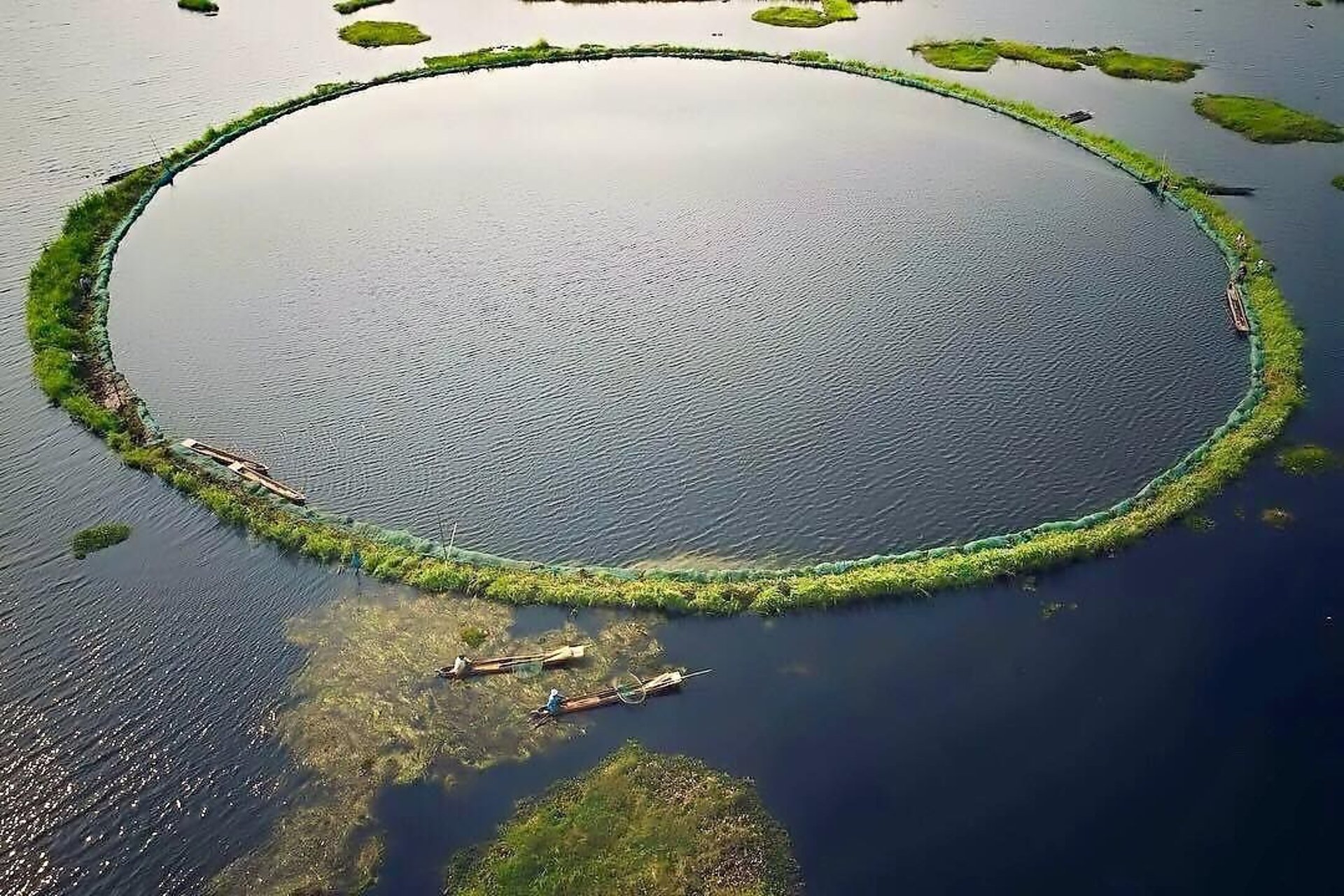
Home to the iconic Loktak Lake, the world's only floating lake, and the unique Keibul Lamjao National Park, Manipur offers visitors a rare opportunity to experience nature in its purest form. The state is also renowned for its classical dance forms, indigenous festivals, martial arts, handloom and handicrafts, and a history that reflects courage, resilience, and cultural pride.
Whether you are an adventure enthusiast, nature lover, history buff, cultural explorer, or someone seeking peace away from the crowds, Manipur promises unforgettable experiences. From the bustling streets of Imphal to the serene beauty of its hills and lakes, every journey through Manipur reveals a new story waiting to be discovered.
Come and experience a land where nature, culture, and tradition come together to create memories that last a lifetime.


Places of interest in Manipur
Kangla Fort
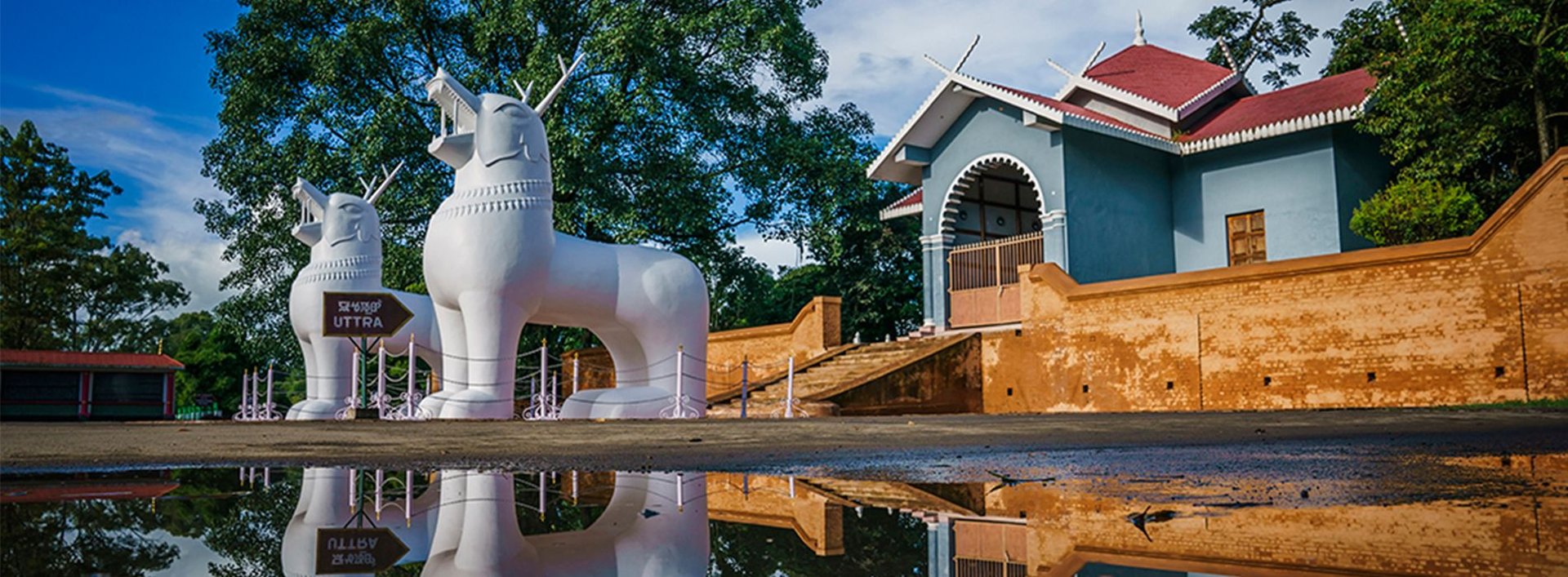
Kangla Fort is one of Manipur’s most important historical and cultural landmarks. Situated in the heart of Imphal, it served as the traditional seat of Manipur’s rulers and remains deeply significant to the Meitei people. Its ancient ruins, sacred shrines, ceremonial structures and historical remains provide a glimpse into the kingdom’s royal past.
Visitors can explore the historic grounds, admire traditional architecture and learn about Manipur’s cultural heritage. Allow sufficient time to walk around the complex, and check current entry rules and opening hours before visiting.
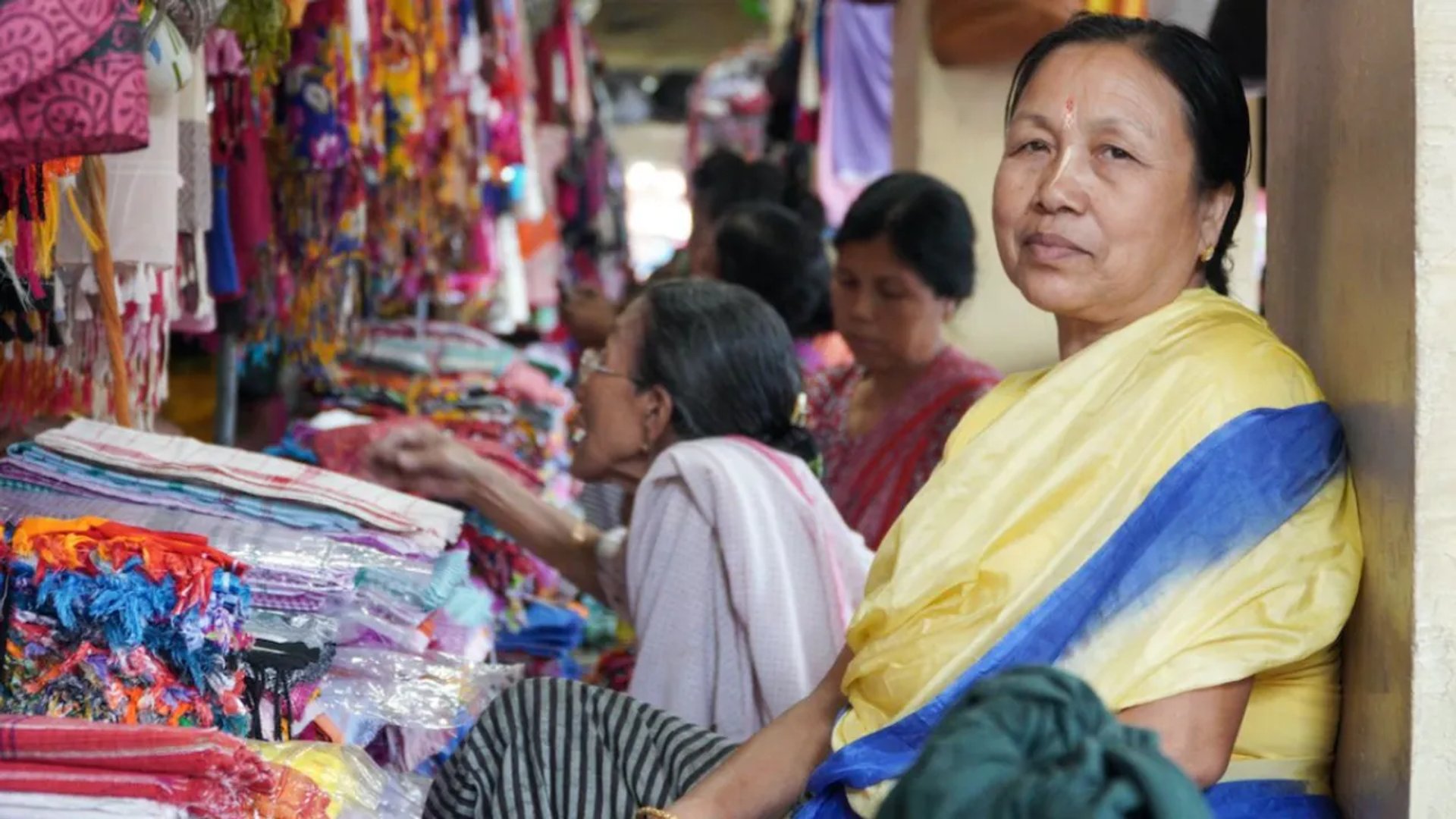
Ima Keithel (Mother's Market)
Ima Keithel, meaning “Mother’s Market,” is one of Imphal’s most distinctive attractions. This historic market is renowned for being run entirely by women, with thousands of women vendors selling fresh produce, fish, textiles, traditional clothing, handicrafts and household goods. It is a living symbol of women’s economic independence and community life in Manipur.
Visitors can browse local products, observe traditional trading practices and purchase handwoven textiles and regional souvenirs. Morning is generally a good time to experience the market at its liveliest. Ask before photographing vendors, and carry cash for smaller purchases.
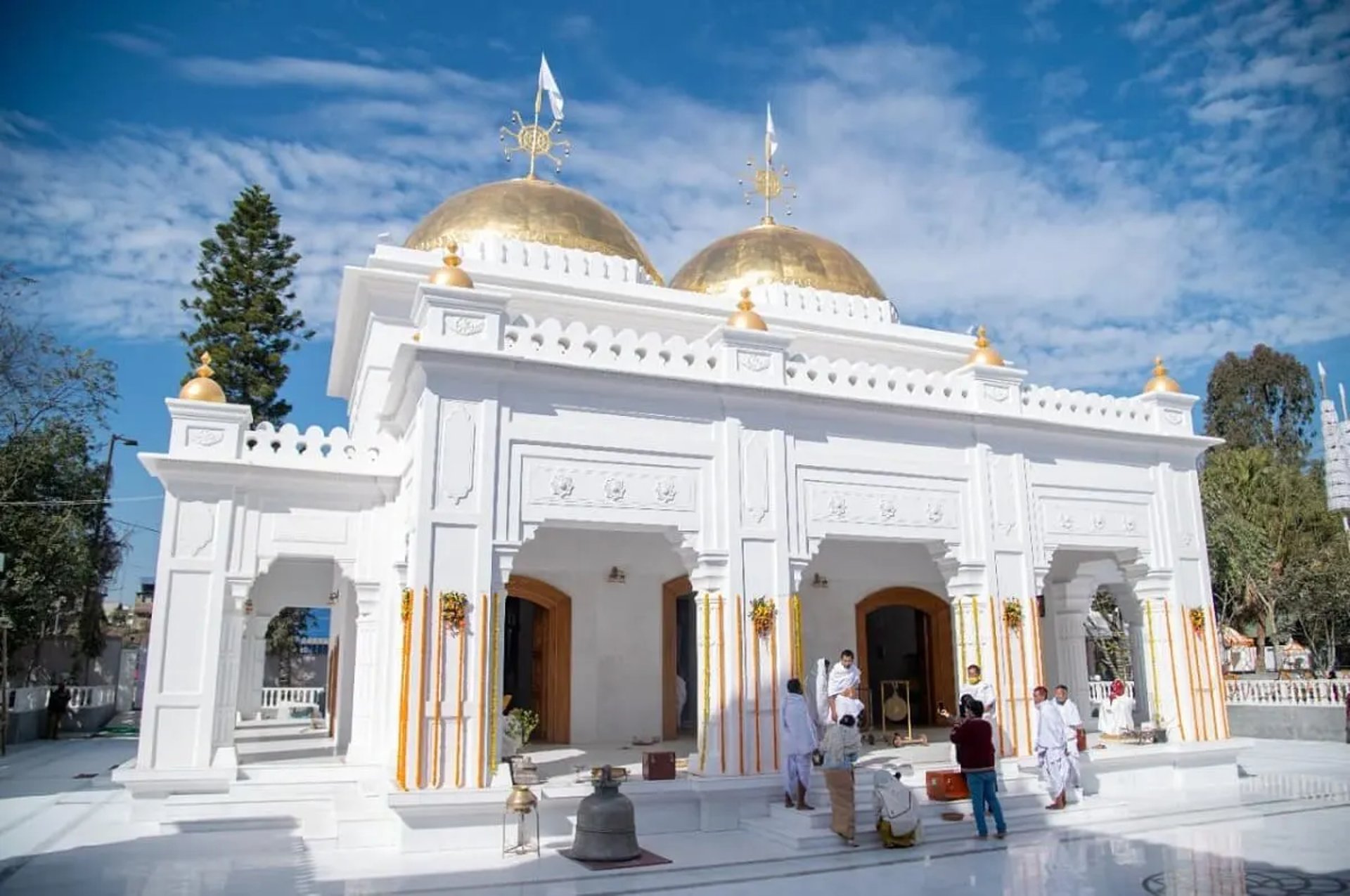
Shree Shree Govindajee Temple
Shree Shree Govindajee Temple is one of Manipur’s most important Vaishnavite religious landmarks, dedicated to Lord Krishna and associated deities. Its twin domes, spacious courtyard and traditional architecture reflect the influence of Vaishnavism on Manipuri culture and royal history.
Visitors can experience the peaceful atmosphere, observe devotional rituals when permitted and learn about the region’s spiritual traditions. Dress modestly and follow temple customs, particularly during prayer ceremonies and festivals.
Manipur State Museum
The Manipur State Museum offers an introduction to the state’s history, art and cultural diversity. Its collections include traditional costumes, historical documents, arms, artefacts, crafts and exhibits relating to Manipur’s former rulers and indigenous communities.
It is an excellent stop for visitors who want to understand the cultural context behind the places they explore. Families, students and history enthusiasts will find it especially worthwhile. Check current opening hours and exhibition availability before visiting.
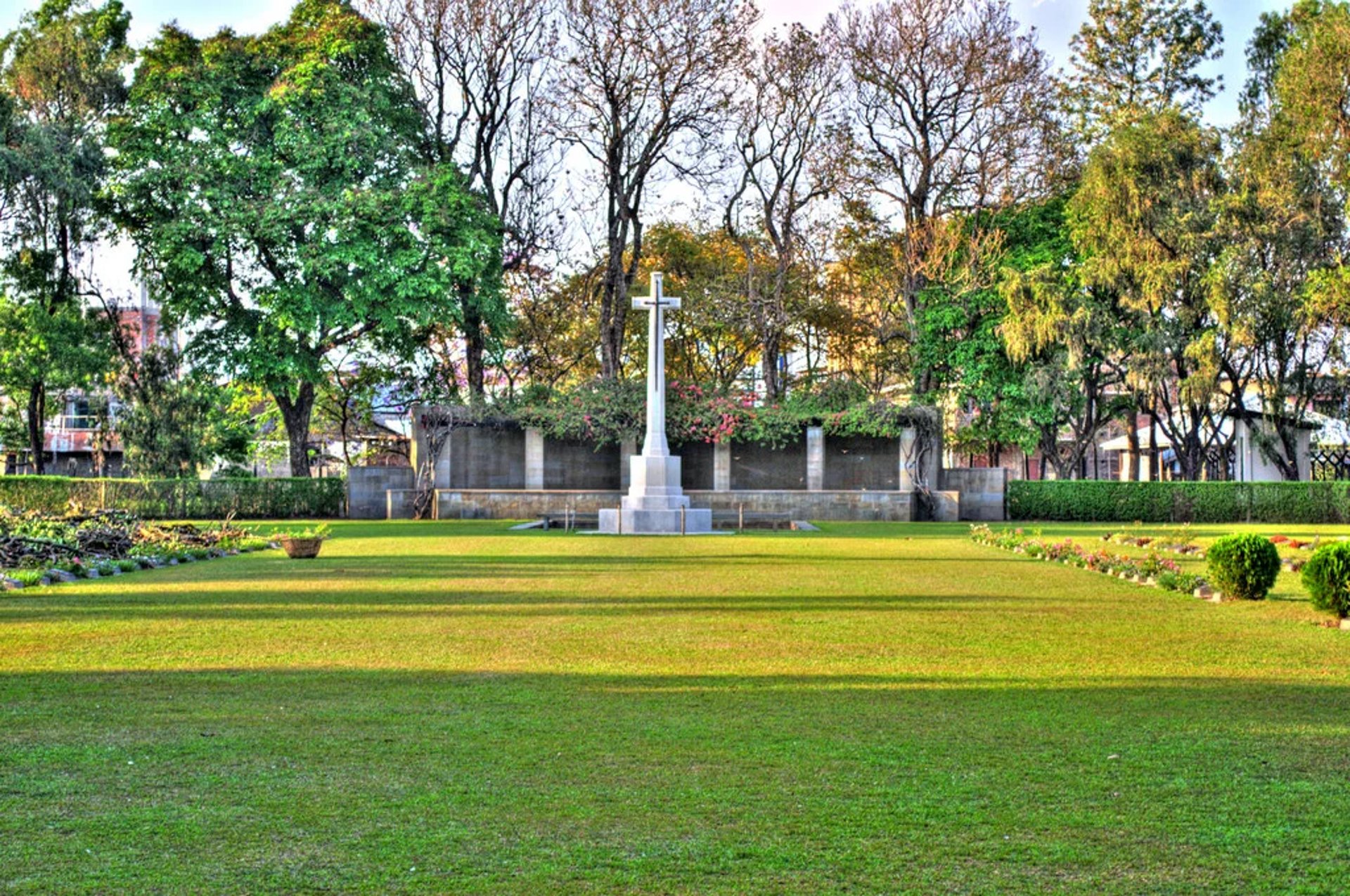
Imphal War Cemetery
The Imphal War Cemetery commemorates soldiers of the Commonwealth who lost their lives during the Second World War, including the fierce fighting in the Imphal region in 1944. Its carefully maintained lawns, rows of headstones and memorial inscriptions create a quiet place for reflection.
The cemetery is a meaningful destination for visitors interested in military history and the Burma Campaign of World War II. Its peaceful atmosphere invites visitors to pay their respects and understand the region’s role in one of the war’s major Asian campaigns.
Shaheed Minar
Shaheed Minar, or the Martyrs’ Memorial, honours the Meitei and tribal heroes who resisted British rule during the Anglo-Manipur War of 1891. It commemorates the courage and sacrifice of figures including Crown Prince Bir Tikendrajit Singh, who became a powerful symbol of Manipur’s resistance.
Located in the city, the memorial offers visitors an opportunity to learn about the state’s freedom struggle and historical identity. It can be included in a heritage tour of Imphal alongside Kangla Fort and other historical landmarks.
Manipur Zoological Garden
Set amid greenery at Iroisemba, Manipur Zoological Garden offers visitors an opportunity to learn about the region’s wildlife and conservation efforts. One of its most notable attractions is the Sangai, the rare brow-antlered deer that has become a symbol of Manipur.
The zoo is a good family-friendly stop for nature lovers and children. Visitors can learn about native species and the importance of protecting their habitats. Animal sightings and available exhibits depend on current conditions, so check visiting arrangements before travelling.
Khonghampat Orchidarium
Khonghampat Orchidarium is a notable attraction for flower lovers, showcasing a diverse collection of orchids, including varieties native to Northeast India. The colourful blooms, lush surroundings and remarkable diversity of these flowers make it an appealing stop for nature enthusiasts and photographers.
The flowering season, particularly around March and April, can be especially rewarding, although blooms vary with conditions. Visitors should confirm current access and flowering status before making a special trip.
Cheirao Ching
Cheirao Ching is a hill near Imphal that offers a pleasant outdoor escape and elevated views of the surrounding valley. It is particularly associated with Cheiraoba, the Manipuri New Year festival, when people traditionally climb hills as part of the celebrations.
The hill is suitable for visitors interested in local traditions, light exercise and scenic photography. If planning a visit during a festival, check local arrangements and expect larger crowds.
Langthabal
Langthabal is a historic area associated with Manipur’s royal heritage and traditional temples. The site reflects an important chapter in the development of the former kingdom, with surviving religious and architectural features that interest visitors exploring the region’s past.
It is a worthwhile addition to a heritage-focused itinerary, particularly for travellers interested in traditional temple architecture and Manipuri history. Some structures may be modest or require local guidance to locate, so plan the visit accordingly.
Andro Village
Andro is a traditional village known for its cultural heritage, indigenous pottery and preservation of aspects of Meitei life. It offers visitors a chance to explore traditional crafts, local architecture and customs that have been passed down through generations.
The Mutua Museum and cultural complex is a major attraction in the area, displaying artefacts, traditional objects and representations of communities from Manipur and the wider Northeast. Visitors can combine cultural exploration with a visit to local craft centres, subject to availability.
Mutua Museum
Mutua Museum is a cultural complex dedicated to the heritage of Manipur and neighbouring indigenous communities. Its collections include traditional household objects, pottery, jewellery, textiles, paintings, manuscripts and examples of traditional architectural styles.
The museum is particularly valuable for travellers who want to understand the cultural diversity of the region beyond its scenic attractions. It is best visited with enough time to appreciate the exhibits and the traditions they represent; confirm opening arrangements before arrival.
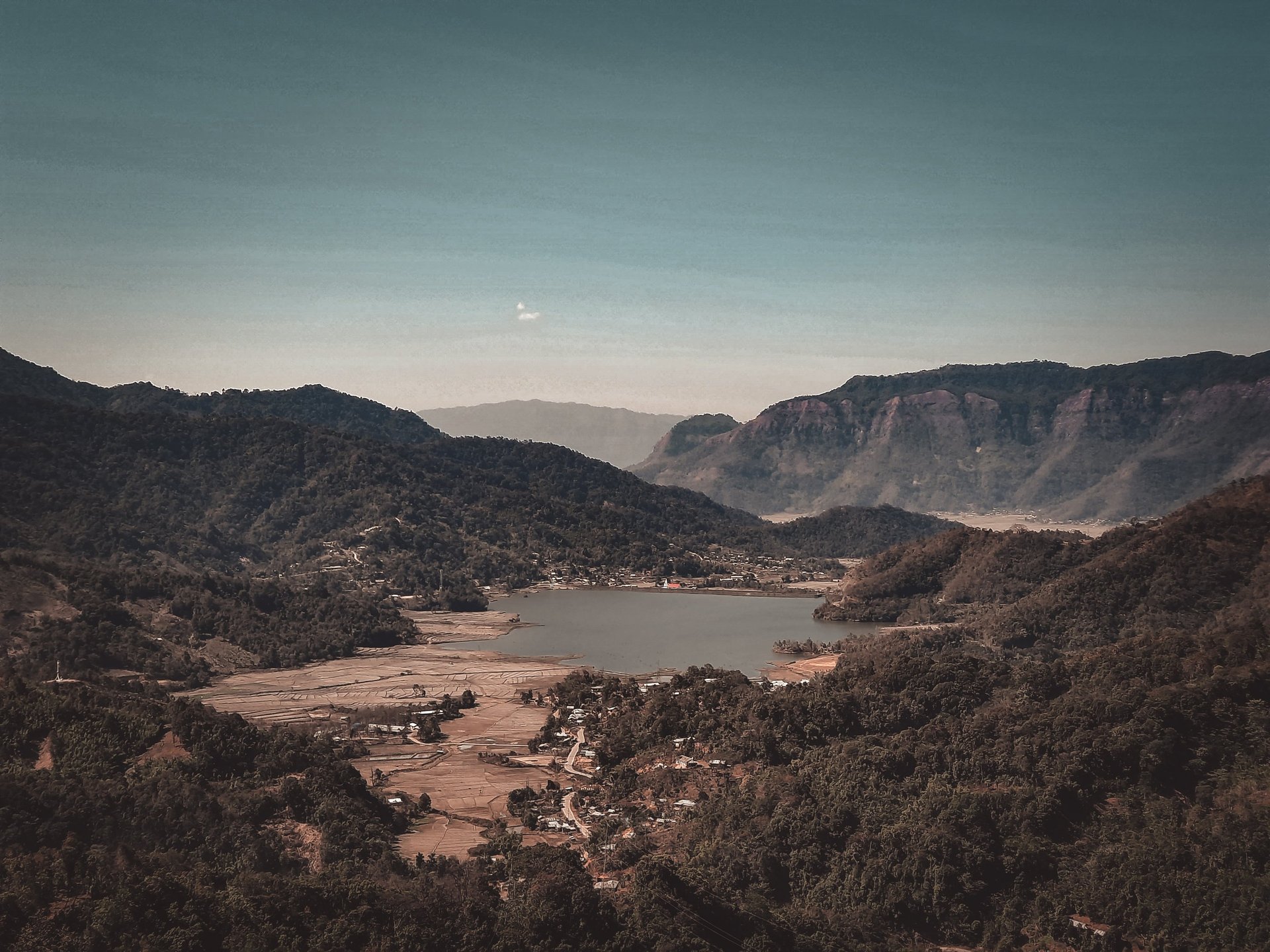
Loktak Lake
Loktak Lake is Manipur’s most iconic natural attraction and the largest freshwater lake in Northeast India. Its distinctive floating masses of vegetation, known as phumdis, create an extraordinary landscape of floating islands, winding waterways and fishing settlements. The lake is central to local livelihoods and offers a fascinating glimpse into a way of life closely connected with water.
Visitors can enjoy boat rides, landscape photography and views of the lake from nearby vantage points. Early morning and late afternoon can be particularly beautiful for photography. Water levels, weather and boating availability vary, so arrange activities locally and respect the fragile wetland environment.
Sendra Island
Sendra Island is one of the best-known viewpoints for experiencing the vast beauty of Loktak Lake. From its elevated position, visitors can appreciate the shimmering water, floating phumdis and small boats moving through the intricate waterways. It is an excellent location for panoramic photography and understanding the scale of the lake.
Sendra is often included in day trips from Imphal and can be combined with Keibul Lamjao National Park and Moirang. Check the current status of visitor facilities and boating services before travelling.
Keibul Lamjao National Park
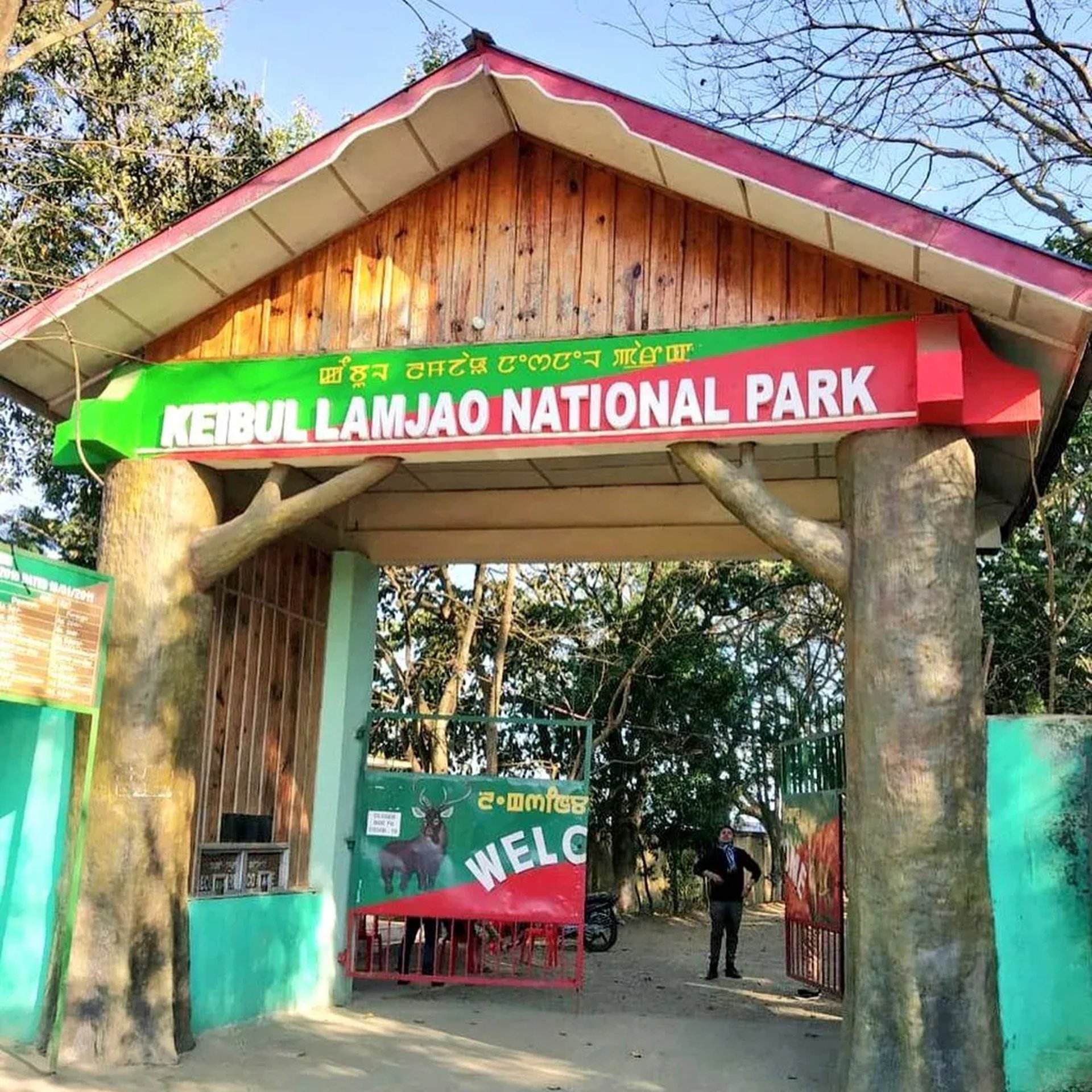
Keibul Lamjao National Park is widely recognised as the world’s only floating national park. Located within the Loktak Lake ecosystem, it protects the rare Sangai, also known as the dancing deer of Manipur. The park’s floating vegetation, wetland grasslands and surrounding waterways create a remarkable habitat that is unlike almost any other wildlife destination in India.
Nature lovers and wildlife photographers can look for Sangai deer and wetland birds from permitted viewing areas. Sightings are not guaranteed, and visitors should follow forest department instructions, remain quiet and avoid disturbing the animals. November to March is often a favourable period for birdwatching, depending on seasonal conditions.
Phubala
Phubala is a lakeside destination on the western side of Loktak Lake, known for its scenic surroundings and access to the lake’s waterways. The village and nearby shoreline provide a quieter setting for appreciating the natural beauty of Manipur’s most famous wetland.
Visitors can explore the lakeside, photograph fishing boats and, where available, arrange boating or other water-based activities. It is a useful addition to a Loktak Lake itinerary for travellers who want to see the lake from different perspectives.
Thanga Island
Thanga is an island settlement within the Loktak Lake landscape, offering a closer look at communities whose livelihoods are closely linked to fishing and the wetland ecosystem. Its water-surrounded setting, local homes and views across the lake provide an authentic experience of life in this distinctive environment.
Visitors can explore the settlement respectfully and learn about local fishing traditions and the importance of Loktak Lake to surrounding communities. Transport and access arrangements may depend on water levels and local conditions, so plan the visit with local assistance.
INA Memorial and Museum
Moirang holds a special place in India’s freedom struggle because the Indian National Army flag was raised here on 14 April 1944 during the Second World War. The INA Memorial and Museum commemorates this historic episode and preserves the memory of the soldiers associated with the independence movement and Netaji Subhas Chandra Bose.
Visitors can explore the memorial and learn about the military campaign through historical displays and memorabilia, where available. It is an especially meaningful destination for history enthusiasts and can be combined with Loktak Lake and Keibul Lamjao National Park.Thangjing Temple
Thangjing Temple is associated with the traditional worship of Lord Thangjing, an important deity in the indigenous religious heritage of Moirang. The site reflects the deep roots of local beliefs, ritual practices and community festivals that existed before and alongside later religious influences in Manipur.
Visitors interested in Manipuri spiritual traditions can combine a temple visit with the nearby INA Memorial. Respect local customs and check with the community about festival dates or restrictions on entry.
Bishnupur Vishnu Temple
Bishnupur is home to a historic Vishnu temple traditionally dated to the 15th century. Built using distinctive small bricks and featuring a conical roof, the temple is an important example of Manipur’s architectural and religious heritage. Its unusual construction and historical associations make it especially interesting to travellers exploring the valley’s older monuments.
Visitors can admire the structure and learn about the development of Vaishnavite traditions in Manipur. It is a convenient cultural stop on the route between Imphal and Loktak Lake.
Loukoi Pat
Loukoi Pat is a small lake near Bishnupur, offering a peaceful setting surrounded by greenery. Its quiet waters and relaxed atmosphere make it a pleasant stop for visitors interested in the lesser-known wetlands and natural scenery of the Manipur valley.
The lake can be included in a sightseeing trip to Bishnupur and Loktak Lake. Check whether boating and visitor facilities are operating before planning activities.
Red Hill (Maibam Lokpaching)
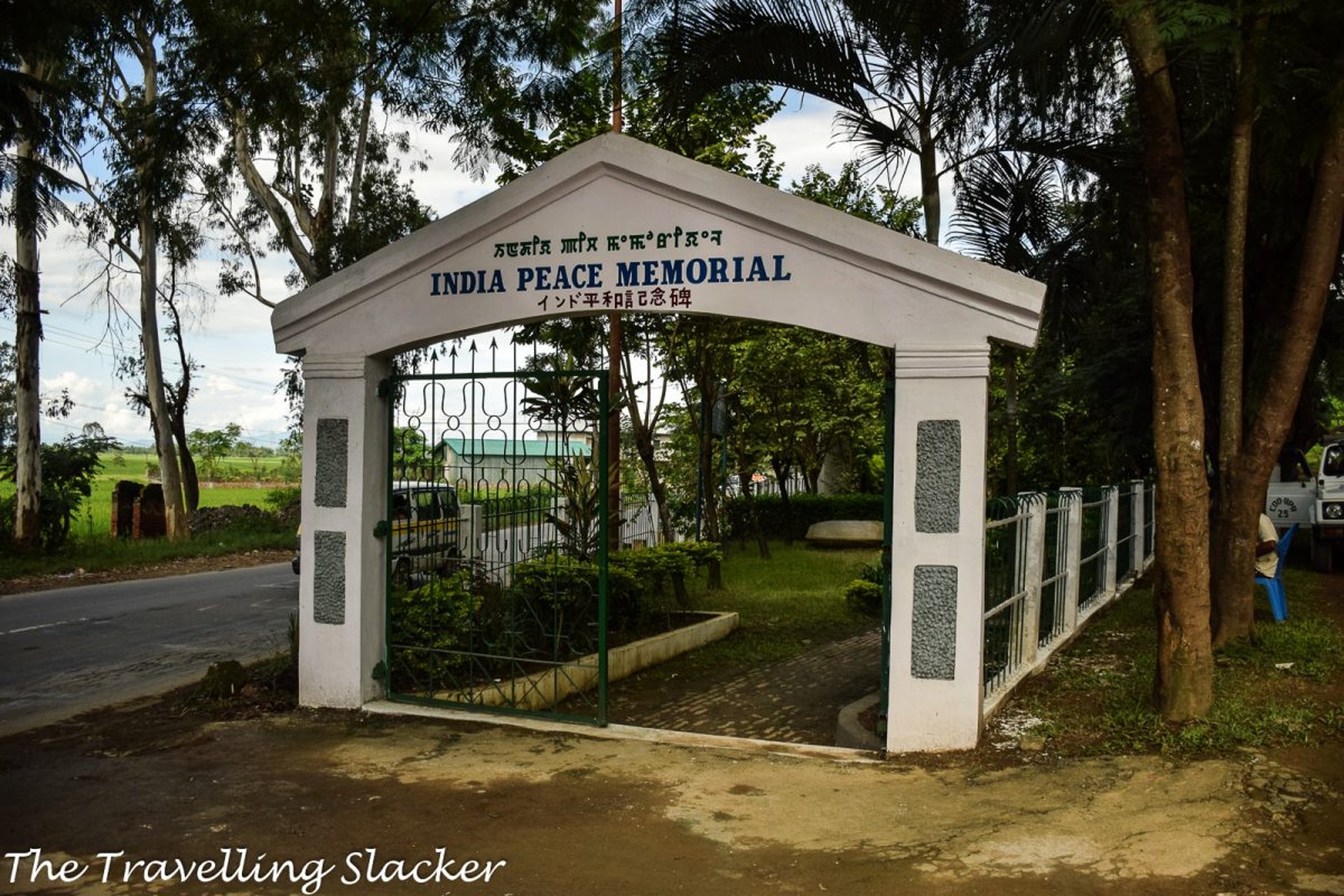
Red Hill is a historically significant site where fierce fighting took place between Allied and Japanese forces during the Second World War. The India Peace Memorial commemorates Japanese soldiers who died in the battle, making the site an important place of remembrance for visitors interested in military history.
The hill is particularly meaningful for those exploring the history of the Imphal campaign and the wider Burma Campaign. It can be combined with Moirang and Loktak Lake for a day focused on Manipur’s natural beauty and wartime heritage.
Khongjom War Memorial
Khongjom War Memorial commemorates the bravery of Manipuri warriors who fought against British forces during the Anglo-Manipur War of 1891. The memorial stands as a symbol of courage, sacrifice and the determination to defend the kingdom’s independence. The site is closely associated with the warrior Paona Brajabashi and the final resistance of the Manipuri forces.
Visitors can explore the memorial grounds and learn about a defining chapter in Manipur’s history. Khongjom Day is observed on 23 April each year, and the site is especially significant during commemorative events.
Imphal Peace Museum
The Imphal Peace Museum explores the history and human cost of the Second World War, particularly the Battle of Imphal and the fighting around Red Hill. Its exhibits and educational displays encourage reflection on conflict, reconciliation and the importance of peace.
It is a meaningful stop for visitors interested in international military history and the impact of the war on local communities. It can be combined with Red Hill and other historical locations in the surrounding area. Check opening hours before visiting.
Sadu Chiru Waterfall
Sadu Chiru Waterfall is a scenic natural attraction surrounded by forested hills and lush vegetation. The area features cascading water at different levels, offering a refreshing escape from the city and an appealing destination for nature lovers and photographers.
The waterfall is a popular excursion from Imphal, but access and the condition of walking paths may vary. During the rainy season, the scenery becomes especially green, although slippery trails and stronger water flow require caution. Check local access arrangements before travelling.
Kangchup Hills
Kangchup is a scenic hill area overlooking the Manipur valley, offering green slopes, fresh air and peaceful countryside views. Its elevated landscape provides a welcome contrast to the busy streets of Imphal and makes it a pleasant destination for travellers seeking a short escape into nature.
Visitors can enjoy scenic drives, photography and quiet stops along suitable viewpoints. The area can be combined with other western Imphal attractions, depending on road conditions and available time.
Singda Dam
Singda Dam is a reservoir set amid the green hills west of Imphal. The surrounding landscape offers peaceful water views and a pleasant rural atmosphere, making it an appealing destination for travellers who enjoy nature and scenic drives.
It can be included in an excursion towards Kangchup and the surrounding countryside. Visitors should follow local instructions around the reservoir and confirm access to viewpoints, as some areas may be restricted for operational or safety reasons.
Santhei Natural Park
Santhei Natural Park is a relaxing green destination with a lake and landscaped surroundings, popular with visitors looking for a quiet outdoor break. Its natural setting makes it suitable for leisurely walks, family outings and photography.
The park can be combined with a visit to Andro village and the Mutua Museum for a day of nature and cultural exploration. Check current facilities and access arrangements before visiting.
Ukhrul
Ukhrul is one of Manipur’s most attractive hill destinations, known for its cool climate, green landscapes, rare flowers, traditional Tangkhul Naga culture and unusual geological formations. It is particularly rewarding for travellers who enjoy trekking, village visits and nature photography.
Shirui Hills (Shirui Kashong)
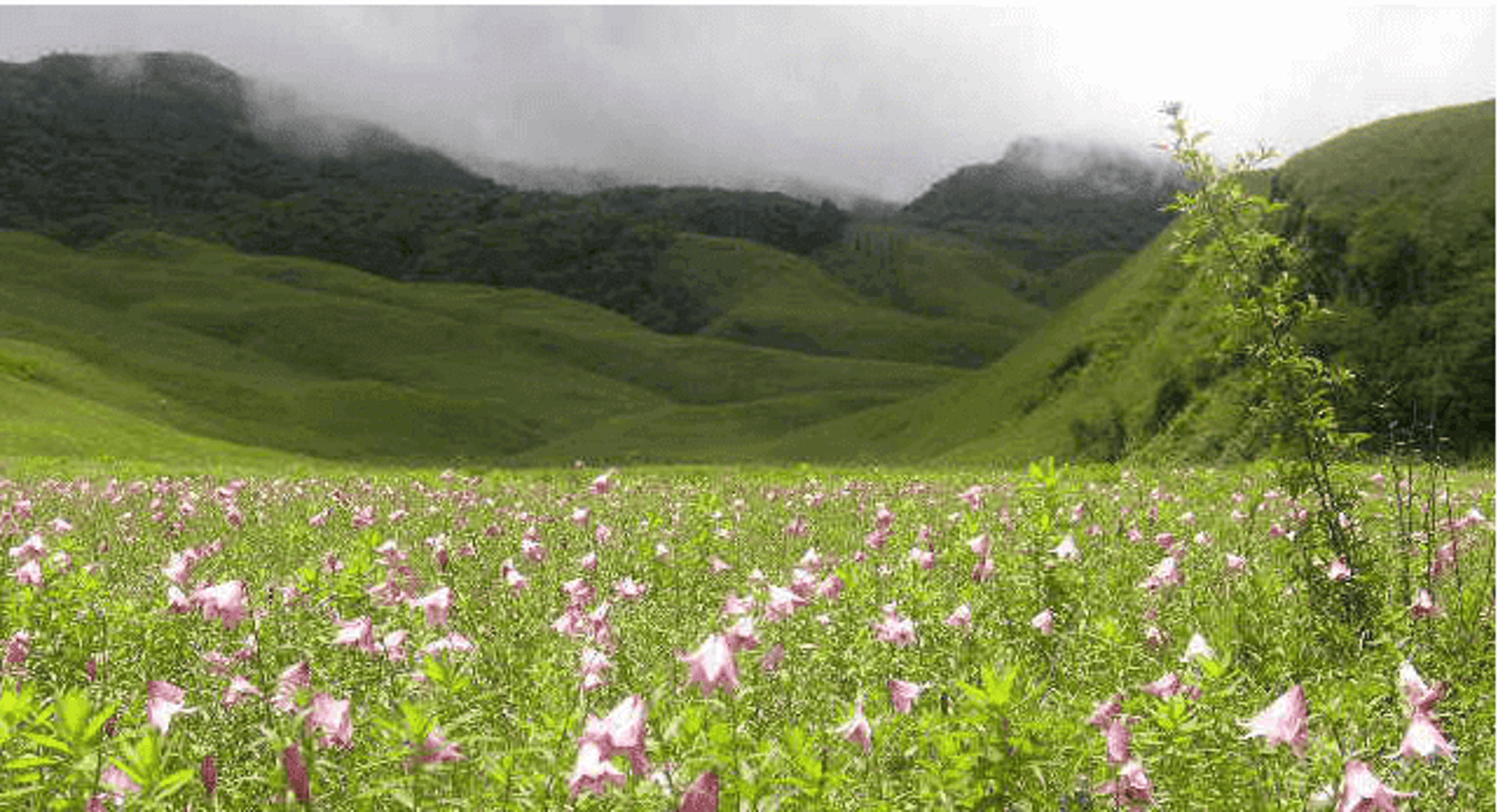
Shirui Hills are famous for their rolling highland scenery, panoramic views and the rare Shirui Lily, a flower naturally associated with this part of Manipur. The hills offer an enchanting combination of open grassland, mountain air and seasonal wildflowers, making them a highlight for trekkers and nature enthusiasts.
The Shirui Lily generally blooms around May and June, although flowering varies with weather and other natural conditions. Visitors should wear suitable walking shoes, prepare for changing mountain weather and follow local trail guidance to protect the delicate habitat.
Khangkhui Mangsor Cave
Khangkhui Mangsor Cave is a natural limestone cave of archaeological and geological interest. Its chambers, rock formations and long history make it an intriguing attraction for travellers interested in exploring the hidden landscapes of Manipur.
A visit offers a different experience from the state’s open valleys and mountain viewpoints. Access can involve uneven ground and dark passages, so visitors should arrange local guidance, use suitable footwear and avoid entering unsafe sections without proper assistance.
Longpi (Nungbi) Village
Longpi is renowned for its distinctive black pottery, a traditional craft associated with the Tangkhul Naga community. Local artisans create cooking pots, bowls, decorative pieces and other objects using traditional techniques and locally sourced materials. The pottery’s understated appearance and craftsmanship make it one of Manipur’s most distinctive handicrafts.
Visitors can learn about the pottery-making process, meet artisans where arrangements permit and purchase locally made pieces. A visit supports traditional livelihoods and offers a memorable cultural experience beyond conventional sightseeing.
Phangrei (Sihai Phangrei)
Phangrei is a scenic highland area near Ukhrul known for open grassy slopes, fresh mountain air and panoramic countryside views. Its peaceful surroundings make it a popular choice for picnics, leisurely walks and photography, especially for travellers wishing to experience Manipur’s hill landscapes.
The area can be included in a broader Ukhrul excursion with Shirui Hills and nearby villages. Weather can change quickly at higher elevations, so carry a light waterproof layer and confirm local access before travelling.
Kachai Village
Kachai is a picturesque hill village in the Ukhrul region, surrounded by greenery and known for its local traditions and agricultural life. It offers visitors a glimpse of rural life among the Tangkhul Naga communities and the cultural diversity of Manipur’s hill districts.
Visitors can enjoy countryside scenery and, where available, learn about local farming and village customs. The area is particularly interesting for travellers who want to explore beyond the main tourist sites and appreciate the region at a slower pace.
Duncan Park
Duncan Park is a recreational attraction in the Ukhrul area, offering a green setting for a leisurely break while exploring the hill town. Its parkland atmosphere makes it suitable for families and travellers looking for a relaxed outdoor stop between longer excursions.
The park can be combined with local sightseeing and nearby cultural attractions. Check the current condition of the facilities and opening arrangements before visiting.
Shangshak War Memorial
Shangshak is associated with important fighting during the Second World War in the Manipur region. Its war memorial provides a place to remember those who fought and lost their lives during the campaign, while connecting visitors with the wider history of the conflict in Northeast India.
History enthusiasts can combine the memorial with a visit to Ukhrul and its surrounding villages. Local guidance can help visitors understand the historical context and identify appropriate places to visit.
Tamenglong
Tamenglong is known for its forested hills, deep valleys, limestone caves, rivers and waterfalls. It is an appealing destination for adventurous travellers seeking quieter landscapes and nature-based experiences. Travel times can be lengthy, and some attractions require local guidance or additional walking.
Barak Waterfalls
Barak Waterfalls is one of the striking natural attractions of Tamenglong, where cascading water flows through a landscape of dense forest and rugged hills. The surrounding scenery is particularly beautiful during the rainy season, when the vegetation becomes vibrant and the falls gain volume.
The destination is best suited to nature lovers, photographers and travellers who enjoy exploring less-developed tourist areas. Roads and walking routes can be challenging in wet weather, so confirm local conditions and arrange transport and guidance in advance.
Tharon Cave
Tharon Cave is a natural cave system that attracts travellers interested in geology, adventure and the underground landscapes of Manipur. Its passages and limestone formations provide a fascinating contrast to the green hills and open valleys of the surrounding district.
Cave exploration requires careful preparation because passages may be dark, slippery or uneven. Visitors should use local guides, carry appropriate lighting where necessary and confirm which sections can be safely explored.
Zeilad Lake
Zeilad Lake is a scenic natural lake in the Tamenglong region, surrounded by forested landscapes and rich in ecological interest. Its peaceful setting offers a rewarding experience for travellers seeking nature and a quieter side of Manipur away from busy urban destinations.
The area is attractive for landscape photography, birdwatching and nature observation. Because access may be limited and conditions can change seasonally, visitors should seek local guidance and confirm road conditions before planning the journey.
Buning Meadow
Buning Meadow is a scenic highland landscape known for its open grassy areas, surrounding forest and tranquil atmosphere. The changing appearance of the meadows across the seasons makes it an appealing destination for photography, nature walks and travellers interested in Manipur’s biodiversity.
A visit is best planned with local guidance, as access and walking conditions may vary. Carry suitable footwear and allow sufficient time for the journey, especially if including other Tamenglong attractions in the same itinerary.
Tamenglong Town
Tamenglong town serves as a base for exploring the western hill region and its waterfalls, caves, lakes and forest landscapes. The area is associated with Rongmei Naga heritage and offers an opportunity to experience the cultural diversity and rural character of Manipur’s hill districts.
Visitors can use the town to organise excursions and learn about local customs and livelihoods. Because many natural attractions are spread over a wide area, overnight stays and careful transport planning may be more practical than a day trip from Imphal.
Dzükou Valley
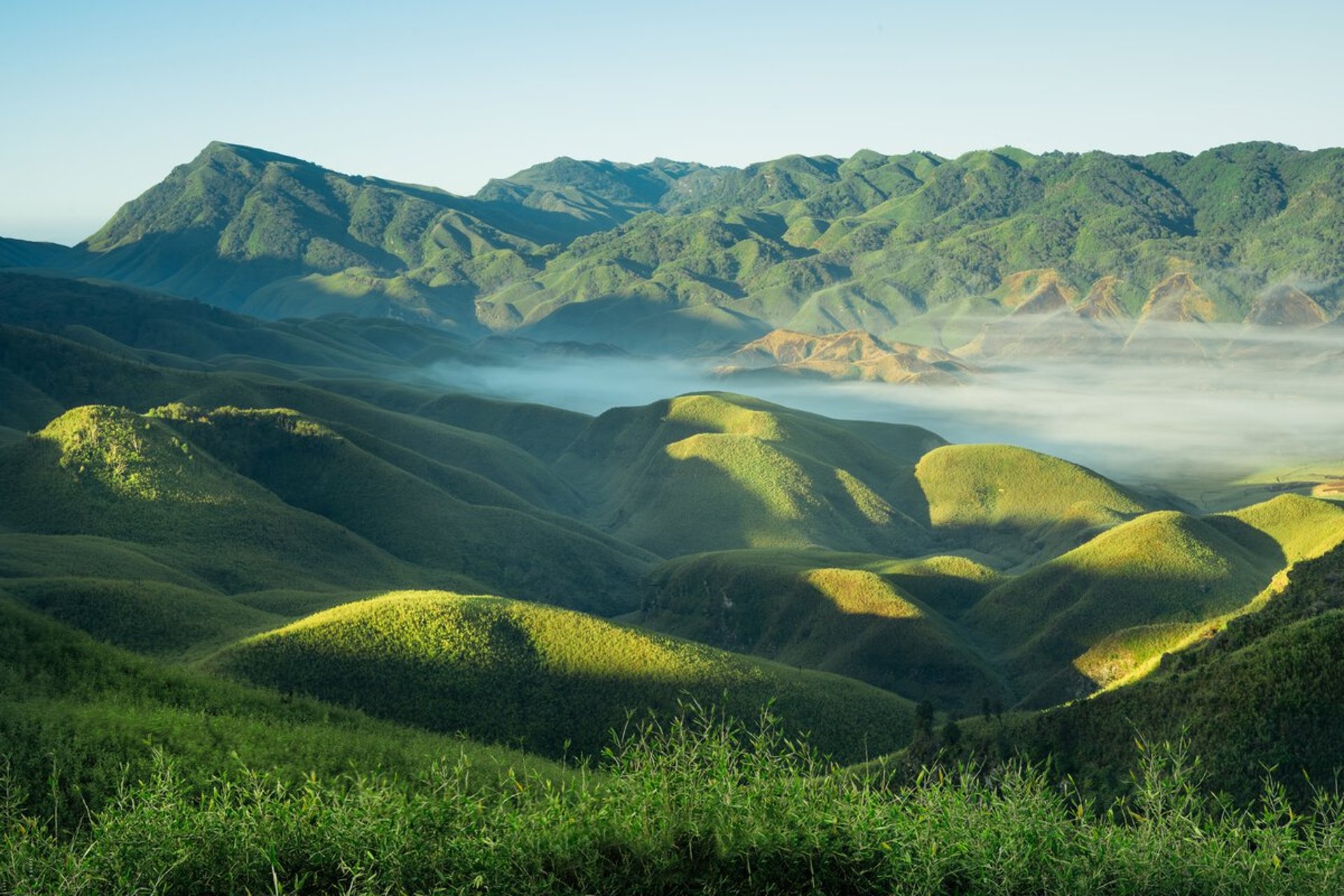
Dzükou Valley is a spectacular highland valley on the border of Manipur and Nagaland, famous for its rolling green slopes, seasonal wildflowers, streams and wide-open mountain scenery. Often described as one of Northeast India’s most beautiful trekking destinations, the valley offers a peaceful wilderness experience far removed from city life.
The valley is known for the rare Dzükou Lily, which flowers seasonally. Trekking usually requires careful planning, suitable footwear, sufficient water and an overnight stay for many visitors. Access routes, permits and transport arrangements depend on the approach chosen, so confirm local requirements before setting out.
Yangkhullen Village
Yangkhullen is a distinctive old hillside village known for its traditional settlement pattern and dramatic location on a steep slope. The village offers a fascinating look at indigenous architecture, local customs and the relationship between communities and the mountainous terrain in which they live.
Visitors interested in cultural heritage and photography will appreciate its unusual setting. Because the approach can be difficult, plan the journey with local assistance and be respectful when visiting homes or photographing residents.
Makhel
Makhel is an important heritage destination associated with traditions concerning the shared origins and migration histories of Naga communities. Its cultural significance makes it a meaningful place for travellers interested in indigenous history, oral traditions and the diversity of Manipur’s hill communities.
Visitors can explore the village and its heritage sites with appropriate local guidance. It is best approached as a cultural experience rather than a conventional sightseeing stop, with respect for local customs and community traditions.
Willong Khullen
Willong Khullen is known for its unusual standing stones and megalithic formations, which create a distinctive landscape of archaeological and cultural interest. These stone structures have attracted comparisons with megalithic sites elsewhere in the world and offer a fascinating reason to explore the less-visited parts of Senapati district.
Visitors should arrange local guidance to locate the formations and understand their cultural context. Because the area is remote, check road conditions and allow adequate time for the journey.
Senapati Town
Senapati is a hill town surrounded by green mountains and villages, offering a gateway to the northern hill districts of Manipur. The region is culturally diverse and provides opportunities to learn about indigenous traditions, village life and the landscape beyond the central valley.
Travellers can use Senapati as a starting point for exploring nearby villages and highland routes. Since journey times can be affected by winding roads and weather, check current conditions and plan overnight stops where needed.
Churachandpur
Churachandpur, also widely known as Lamka, is an important town in southwestern Manipur with a rich diversity of indigenous cultures and traditions. Its markets, local food, handwoven textiles and handicrafts offer a glimpse into the everyday life of the region’s communities.
Visitors interested in cultural exploration can learn about local crafts, traditional clothing and regional cuisine. The town can also serve as a base for exploring surrounding countryside, subject to current travel conditions and local guidance.
Tipaimukh
Tipaimukh is a remote region associated with dramatic river landscapes, forested hills and traditional settlements. Its location near the meeting of major waterways makes it an area of interest for travellers seeking to understand the geography and rural life of southwestern Manipur.
The region is best suited to travellers with additional time and an interest in less-visited destinations. Roads can be difficult, and services may be limited, so arrange transport and accommodation in advance and verify current access conditions before travelling.
Khoupum Valley
Khoupum Valley is a picturesque valley surrounded by green hills, rivers and rural settlements. Its open landscapes and quiet surroundings make it an appealing destination for travellers who want to discover the countryside and experience a less-commercialised side of Manipur.
The valley can be explored as part of a longer road trip through the western region. Visitors should allow extra time for travel and confirm local road conditions before including the destination in an itinerary.
Moreh
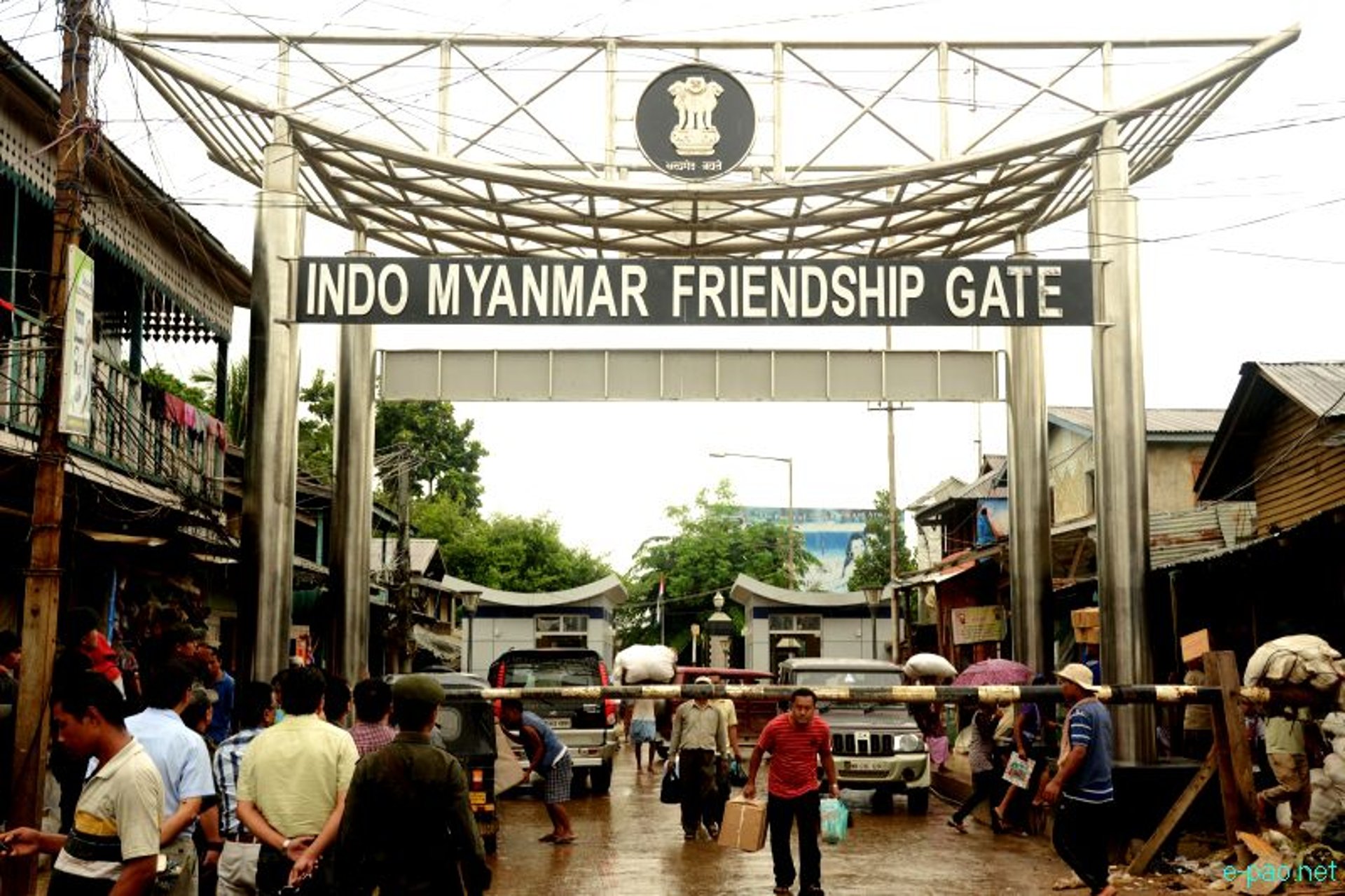
Moreh is an important commercial town on the India–Myanmar border, known for its markets and cross-border connections. Its location has historically made it a meeting point for different cultures, goods and trading traditions, offering a different experience from Manipur’s hill stations and lake destinations.
Visitors may explore the town’s markets and local food, subject to current operating conditions. Moreh lies in a sensitive border region, so travel should be undertaken only after checking current security advisories, road access and any applicable permissions. Do not assume that crossing into Myanmar is possible simply because the border is nearby.
Additional places of interest in Manipur
The following destinations can enrich a longer trip, especially for visitors interested in regional heritage, traditional crafts, lesser-known lakes and remote hill landscapes.
Kaina
Kaina is a religiously significant hill destination associated with the worship of Lord Krishna in Manipuri tradition. Surrounded by greenery, it offers a peaceful atmosphere for visitors interested in pilgrimage, local legends and the spiritual heritage of the state.
A visit can be combined with an exploration of the surrounding countryside. Check local access arrangements and temple customs before travelling, particularly during religious festivals.
Mount Koubru
Mount Koubru is a prominent mountain associated with religious traditions and local beliefs in Manipur. Its forested slopes and elevated terrain make it an interesting destination for travellers who appreciate both natural landscapes and sacred places.
Visits should be planned with attention to local customs, access arrangements and weather. If trekking is permitted on the chosen route, use suitable footwear and seek local advice before attempting the ascent.
Pallel
Pallel is a town along an important road corridor in southeastern Manipur. The surrounding countryside features green hills and rural settlements, and the area provides a glimpse of the state's varied landscapes beyond the Imphal valley.
For most travellers, Pallel is best treated as a transit point or a stop during a wider regional journey rather than a standalone destination. Check the latest road and security conditions before planning travel through the area.
Nungbi Village
Nungbi is closely associated with Longpi pottery, a traditional craft known for its dark, understated finish and distinctive handmade forms. The village offers visitors an opportunity to appreciate the skills, materials and knowledge that have been passed down among local artisans.
A visit is ideal for travellers interested in traditional crafts, cultural tourism and locally made souvenirs. Ask before photographing artisans at work, and consider purchasing directly from makers where possible.
Mova Cave
Mova Cave is a natural limestone cave in the Ukhrul region, attracting visitors interested in geology and the natural features of Manipur’s hill country. Its rocky passages and underground setting offer a different kind of exploration from the open mountain landscapes nearby.
The cave is best visited with local guidance and appropriate preparation. Conditions may be slippery or dark, so visitors should confirm access and avoid entering unsafe sections without assistance.
Maram
Maram is a hill community in Manipur associated with distinctive indigenous traditions, customary practices and a rich cultural identity. The surrounding countryside offers green slopes, village landscapes and opportunities to learn about the lives of communities in the northern hill region.
Visitors can explore local culture respectfully and may be able to experience traditional food, crafts or festivals when arranged with the community. Ask permission before photographing people or entering private property.
Festivals and cultural experiences
Manipur's festivals and traditional arts can be as memorable as its natural attractions. If your travel dates coincide with a local celebration, consider adding one of these experiences to your itinerary.
Sangai Festival
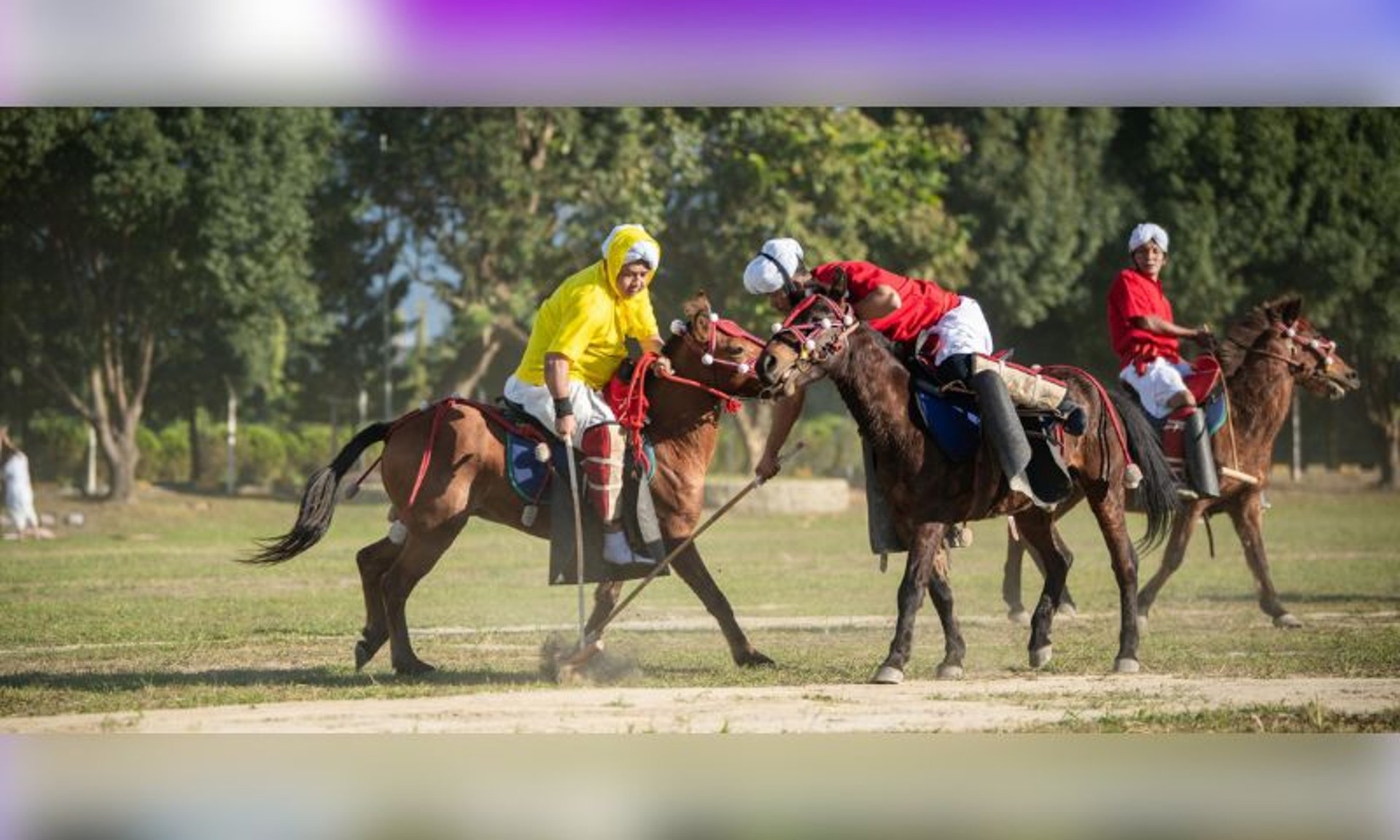
Sangai Festival is a major celebration of Manipur’s cultural diversity, arts, crafts, cuisine and tourism. Named after the state’s iconic Sangai deer, the festival showcases traditional dances, music, indigenous sports, handicrafts and regional food, providing visitors with an introduction to the many cultural communities of Manipur.
The festival is usually held in November, although dates and venues can vary. Visitors should check the official programme for the relevant year and book accommodation early if planning to travel during the event.
Yaoshang Festival
Yaoshang is one of Manipur’s most celebrated festivals, observed around the spring full moon. The festivities combine religious traditions, community gatherings, sports and the famous Thabal Chongba, a traditional circle dance enjoyed by young people and communities.
Visitors can experience a lively expression of Manipuri culture if their trip coincides with the festival. Dates follow the traditional lunar calendar, so check the calendar for the relevant year and follow local customs when attending celebrations.
Lai Haraoba
Lai Haraoba is a traditional Meitei festival that celebrates local deities through ritual performances, music, dance and storytelling. The ceremonies preserve elements of indigenous religious beliefs and offer insight into the cultural roots of Manipuri performing arts.
Festival dates and rituals vary by location and local tradition. Visitors should attend respectfully, follow guidance from organisers and ask permission before photographing sacred ceremonies.
Manipuri Ras Leela
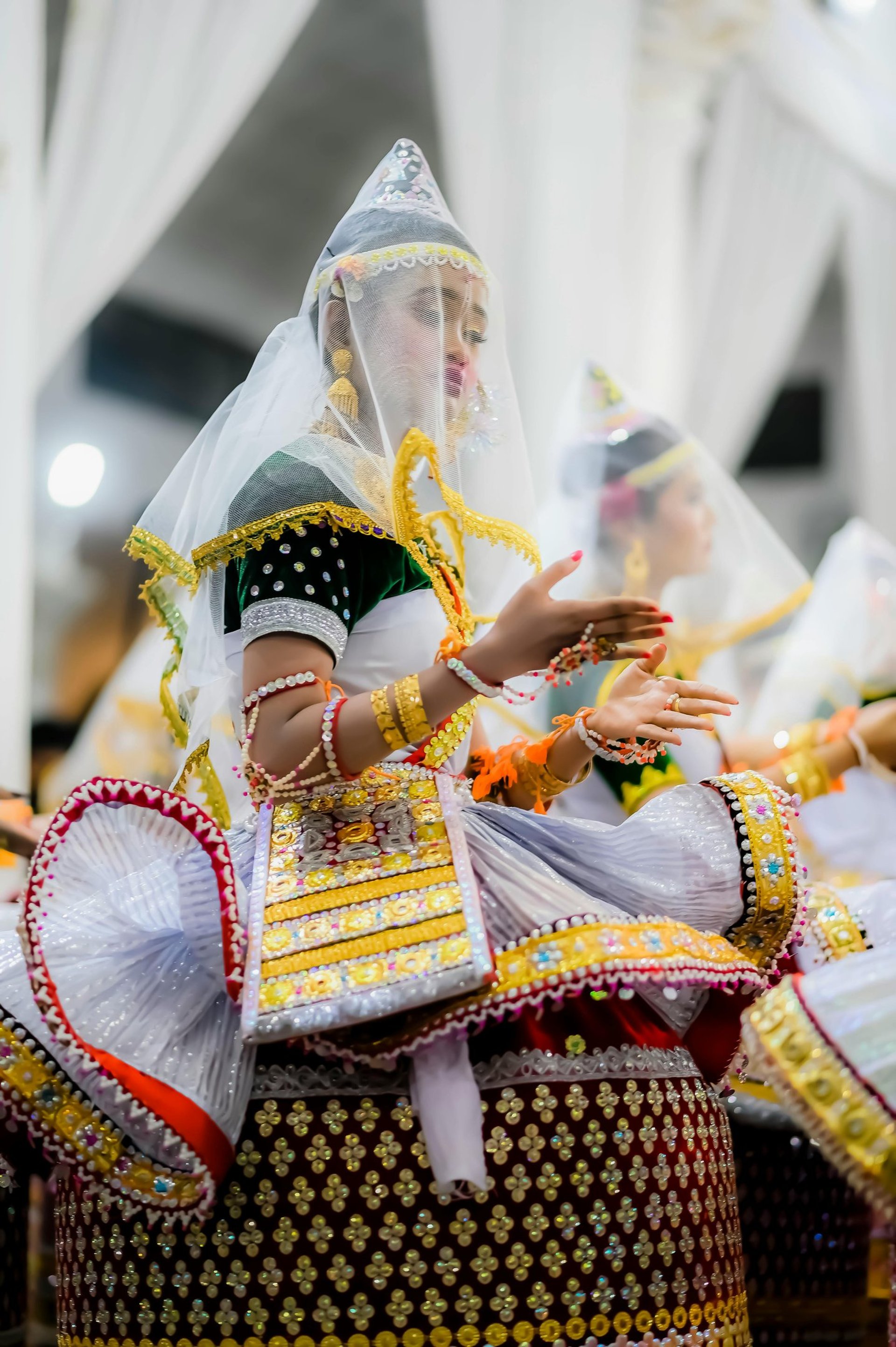
Manipuri Ras Leela is a classical dance tradition that expresses stories of Lord Krishna and Radha through graceful movement, devotional music and elaborate traditional costumes. Known for its fluid style and spiritual character, it is one of the most distinctive performing arts associated with Manipur.
Visitors may be able to attend performances during religious festivals or cultural programmes in Imphal and other parts of the state. Check local schedules and venue details in advance, as performances are not necessarily available every day.
Best time to visit
October to April is generally suitable for sightseeing, cultural exploration and visits to Loktak Lake. May and June are popular for seasonal flowers around Shirui Hills, while the monsoon brings lush scenery but can make trekking and road travel difficult.
How to reach Manipur
Imphal is the principal gateway, served by Bir Tikendrajit International Airport. Visitors should check current flight schedules and road conditions before booking. Journeys to Ukhrul, Tamenglong and other hill destinations can take considerably longer than expected.
Entry permits
Indian citizens who are not residents of Manipur generally need an Inner Line Permit (ILP). Visitors should check the applicable requirements and apply through the official Manipur ILP portal before travelling. Foreign nationals should verify the applicable entry and registration requirements separately.
What to carry
Comfortable walking shoes, rain protection, sunscreen, drinking water and modest clothing for religious sites are useful. For remote hill destinations, arrange accommodation and transport in advance and carry essential supplies, as services may be limited.
(C) 2026 casabanana


78 Helena
Okram leikai,
Singjamei,
Imphal west
India - 795001
Email - koroulembaokram@gmail.com
Mobile- +91 9815902929
WhatsApp - +91 9815902929