
Meghalaya
Welcome to Meghalaya
Nestled in the northeastern corner of India, Meghalaya—literally meaning "The Abode of Clouds"—is one of the country's most breathtaking destinations. Blessed with rolling hills, lush forests, crystal-clear rivers, dramatic waterfalls, mysterious caves, and vibrant indigenous cultures, Meghalaya offers a perfect blend of natural beauty, adventure, and authentic local experiences.
Known for receiving some of the highest rainfall in the world, the state is home to landscapes that seem straight out of a dream. From the mist-covered valleys of Shillong and the majestic waterfalls of Cherrapunji to the crystal-clear waters of Dawki and the world-famous Living Root Bridges, every corner of Meghalaya has a story to tell.
Whether you are an adventure seeker, nature lover, photographer, trekker, or simply someone looking to escape the rush of city life, Meghalaya promises unforgettable experiences and memories that will last a lifetime.
Come and experience a land where clouds touch the mountains, rivers run crystal clear, and every journey leads to a new adventure.
Places of interest in Meghalaya
Shillong
Shillong, the capital of Meghalaya, is a charming hill station known for its rolling green hills, pine trees, pleasant climate and lively cultural scene. Often called the “Scotland of the East,” the city blends colonial-era architecture with cafés, bustling markets, music venues and traditional Khasi culture. It is an excellent base for exploring the surrounding countryside.
Visitors can explore local markets, sample Khasi cuisine, enjoy panoramic viewpoints and discover the city's churches, museums and gardens. Shillong is also a convenient starting point for day trips to Cherrapunji, Dawki, Mawphlang and other popular destinations.
Ward's Lake
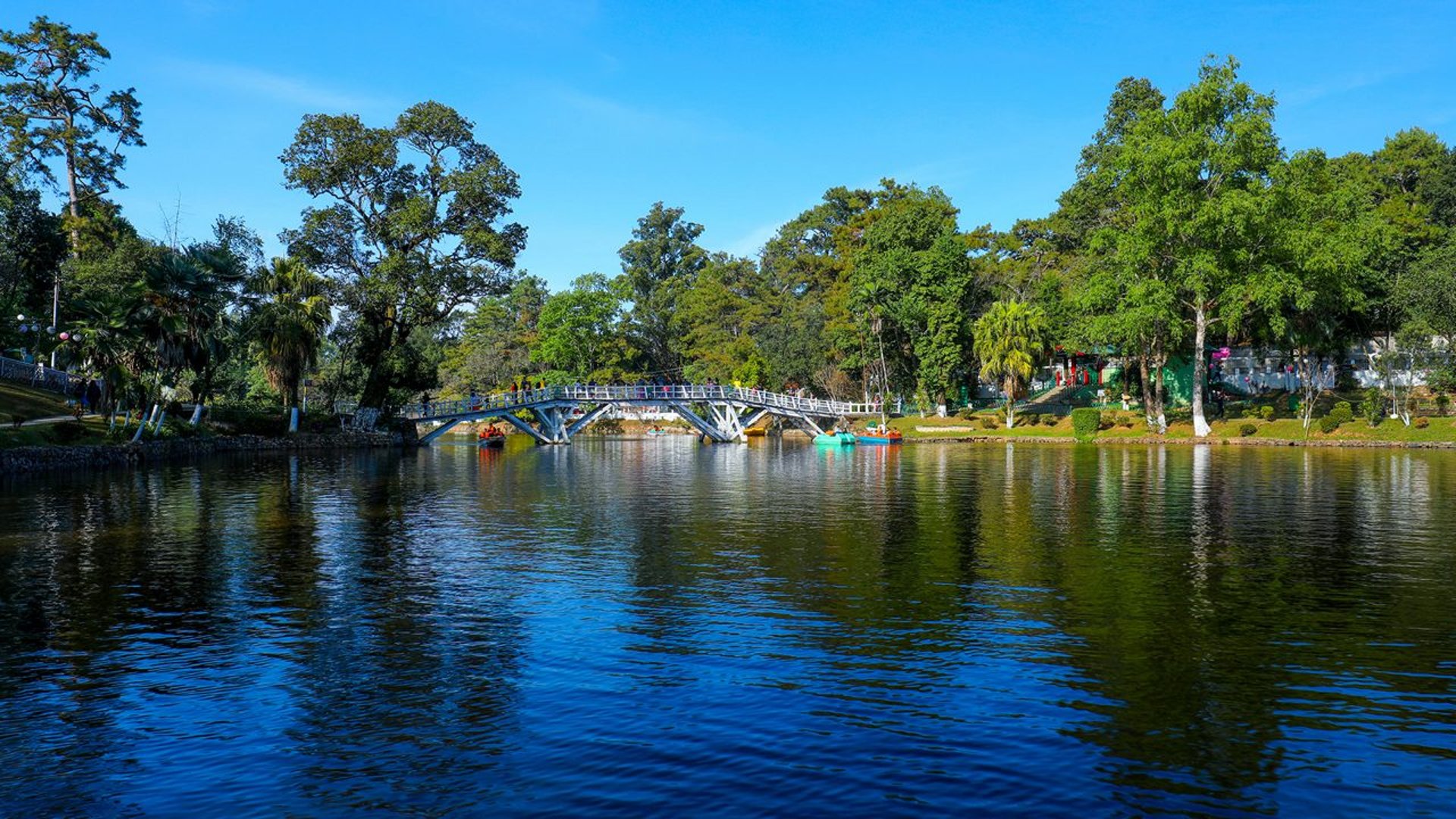
Located in the heart of Shillong, Ward’s Lake is a picturesque artificial lake surrounded by landscaped gardens, flowering plants and a charming wooden bridge. Its peaceful setting makes it a favourite place for families, couples and visitors seeking a relaxing break from sightseeing.
Tourists can enjoy boating, stroll along the pathways, photograph the colourful gardens and spend a leisurely hour in the pleasant surroundings. It is especially attractive for a short morning or afternoon visit.
Shillong Peak
Shillong Peak is one of the highest viewpoints in the Shillong area, offering sweeping views of the city, surrounding hills and distant valleys. On clear days, the landscape stretches across a vast expanse of greenery, while drifting clouds create a magical mountain atmosphere.
It is a rewarding stop for photography and panoramic sightseeing. Visibility depends on the weather, and visitors should carry a light jacket because the exposed viewpoint can feel cool and windy
Elephant Falls
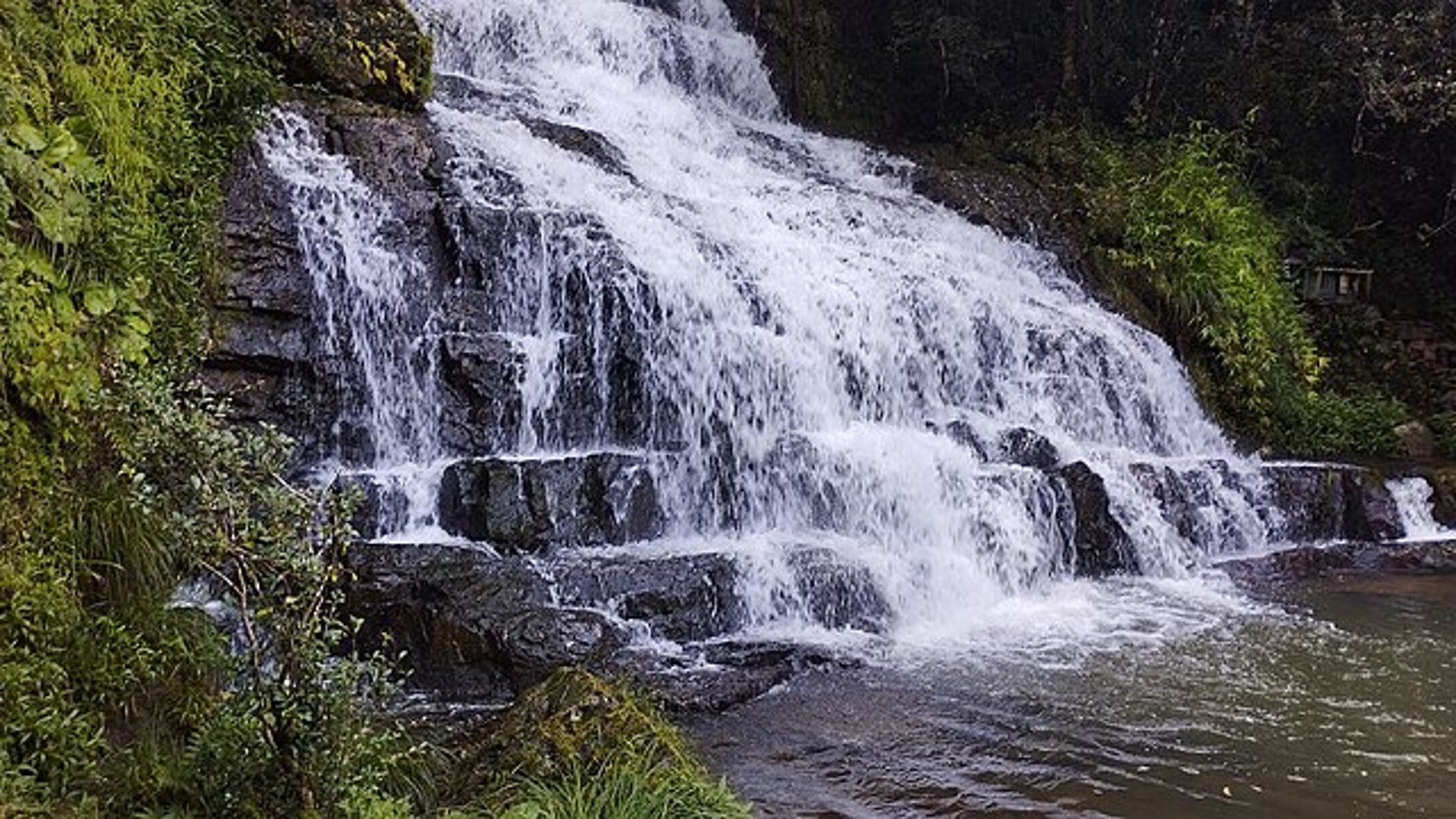
Elephant Falls is one of Meghalaya’s best-known waterfalls, located a short drive from Shillong. The water cascades over several rocky levels amid dense greenery, creating a beautiful setting for nature lovers and photographers. Its name is associated with a rock formation that once resembled an elephant.
A series of steps and viewing platforms allows visitors to appreciate the different levels of the falls. The waterfall is particularly impressive during and after the monsoon, although the steps can be slippery, so suitable footwear is recommended.
Don Bosco Museum
The Don Bosco Museum of Indigenous Cultures is a valuable introduction to the diverse communities of Northeast India. Its galleries present traditional clothing, crafts, musical instruments, household objects, agricultural practices and aspects of tribal life, helping visitors understand the region’s cultural richness.
The museum is ideal for travellers interested in history, anthropology and local traditions. Allow enough time to explore the exhibits rather than treating it as a quick photo stop; check opening hours before visiting.
Police Bazaar
Police Bazaar is Shillong’s best-known commercial hub, filled with clothing shops, handicraft stalls, restaurants, cafés and street-food vendors. The lively streets offer a glimpse of everyday city life and are a convenient place to browse for souvenirs or try local and regional food.
Visitors can explore the market in the late afternoon or evening, when the streets become especially lively. It is also a useful area for finding hotels, arranging transport and enjoying a meal after a day of sightseeing.
Lady Hydari Park
Lady Hydari Park is a well-maintained garden in Shillong featuring lawns, flowerbeds, landscaped paths and a small pond. Its Japanese-inspired garden design and quiet atmosphere make it a pleasant retreat for families and visitors looking for a gentle outdoor activity.
The park is particularly appealing to garden enthusiasts and photographers. It can be combined with other city attractions for an easy half-day sightseeing itinerary.
Cathedral of Mary Help of Christians
This prominent Catholic cathedral is one of Shillong’s most recognisable religious landmarks. Its distinctive architecture, peaceful interior and location on a hill make it an interesting stop for visitors exploring the city’s religious and architectural heritage.
The cathedral reflects the importance of Christianity in Meghalaya’s modern cultural landscape. Visitors are welcome to appreciate its architecture respectfully, keeping in mind that services may be taking place during their visit.
Laitlum Canyons
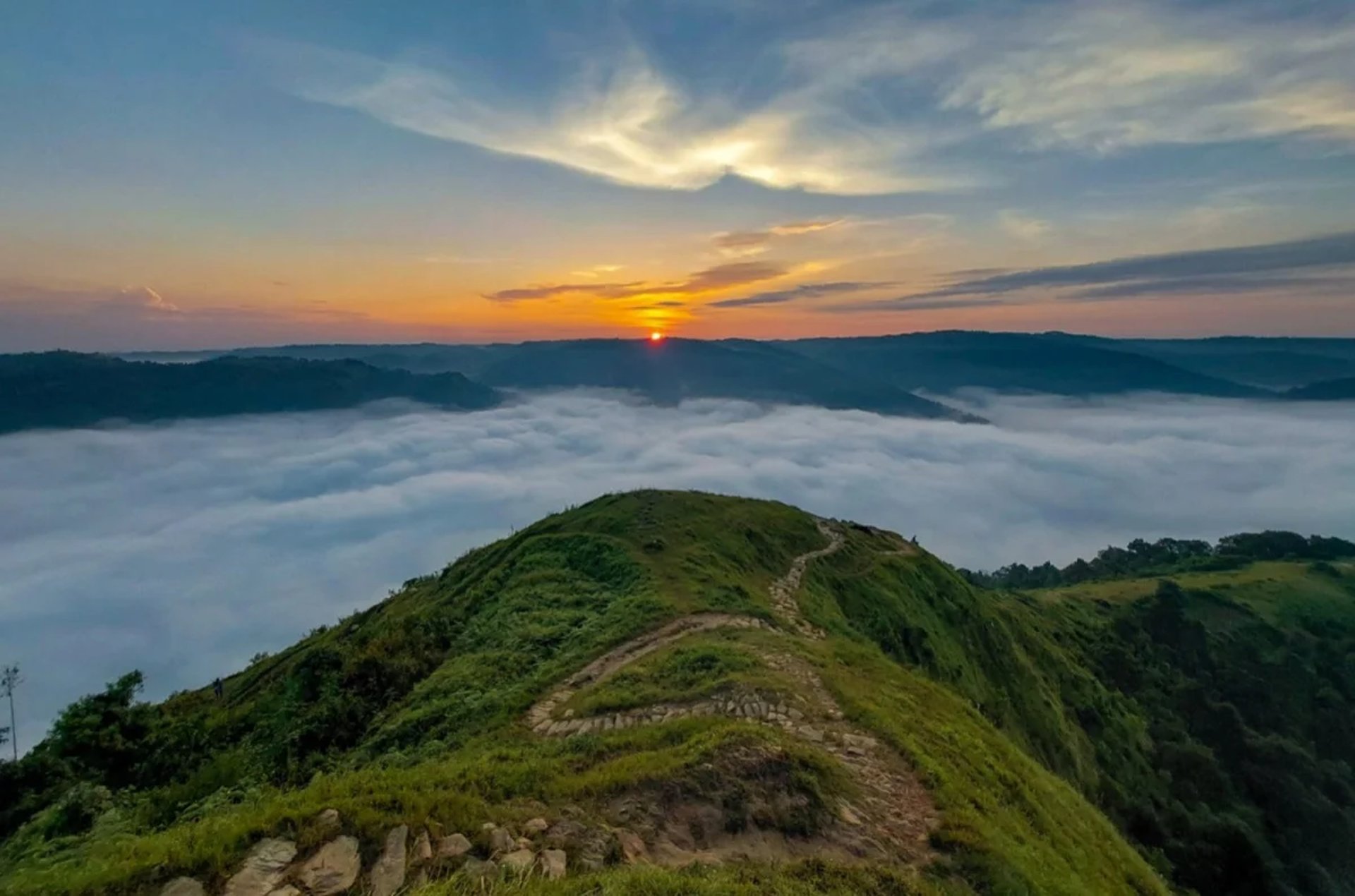
Laitlum Canyons, whose name is commonly interpreted as “end of hills,” is a spectacular landscape of deep valleys, steep green slopes and distant mountain ridges. The vast open views and changing mist make it one of Meghalaya’s most photogenic destinations, especially for travellers seeking quieter natural scenery away from the city.
Visitors can enjoy viewpoints, photography and walks in the surrounding countryside. The terrain can be exposed and slippery in wet weather, so sturdy shoes and caution near cliff edges are essential. A clear day offers the best chance of seeing the full panorama.
Mawphlang Sacred Grove
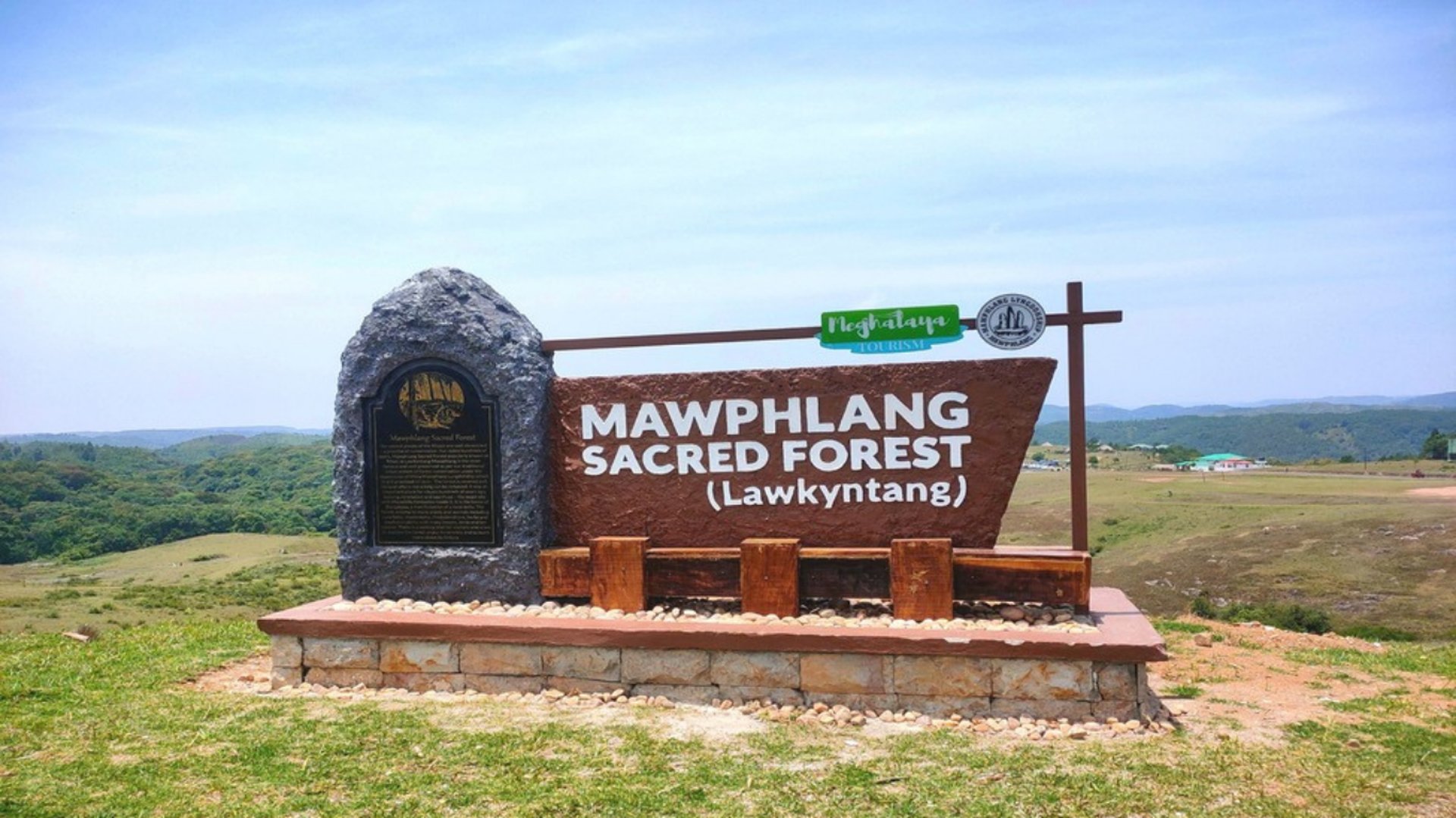
Mawphlang Sacred Grove is an ancient forest protected by traditional Khasi beliefs and community customs. The grove is rich in moss-covered trees, ferns, unusual plant life and a quiet atmosphere that feels very different from the surrounding countryside. It offers a fascinating insight into how cultural traditions can help conserve biodiversity.
Guided walks help visitors understand the forest’s ecological importance, local legends and customary restrictions. Visitors should respect the sacred site and follow local guidance, including rules against removing plants, stones or other natural objects.
Umiam Lake (Barapani)
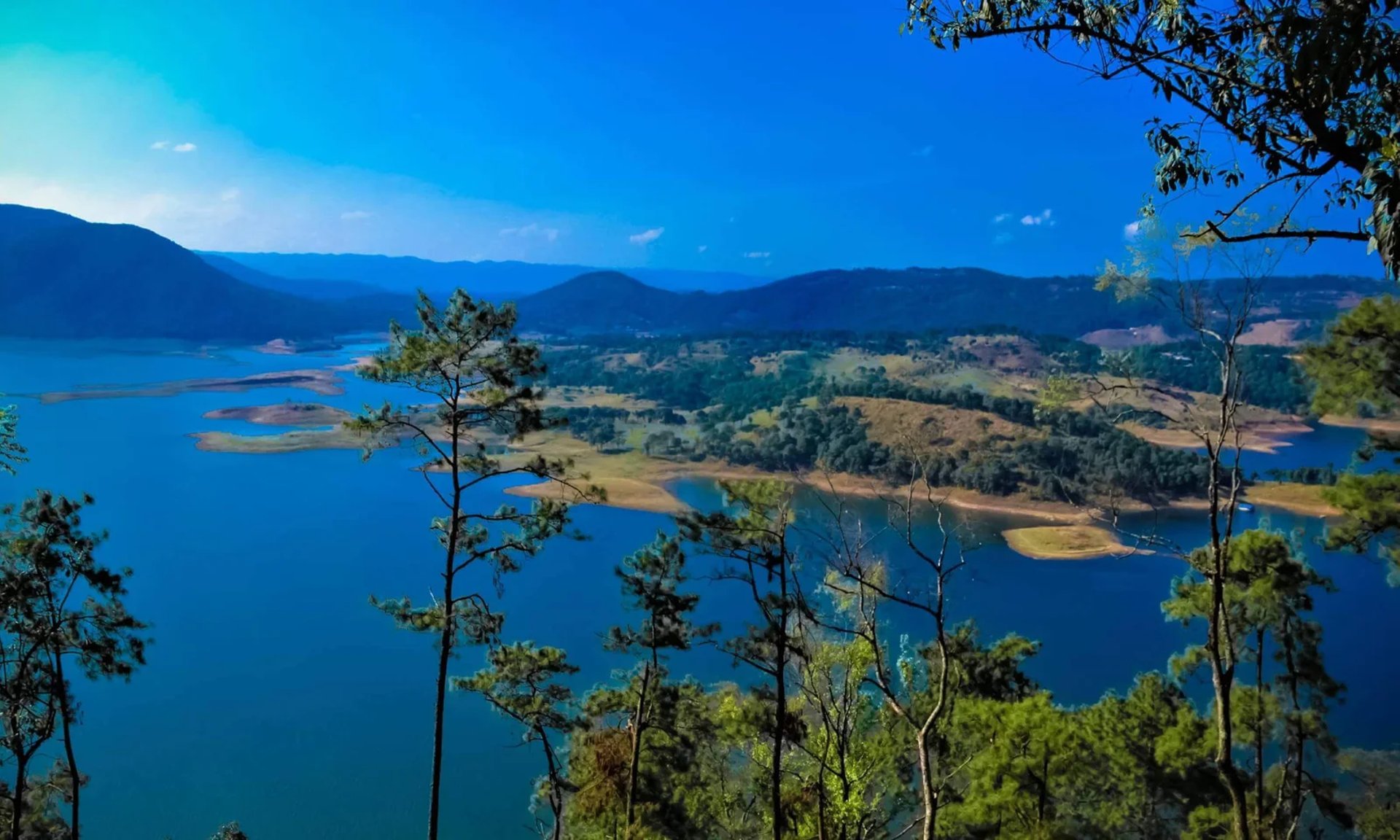
Umiam Lake is a beautiful reservoir surrounded by forested hills, located north of Shillong on the road towards Guwahati. Its expansive blue waters, rolling landscapes and peaceful atmosphere make it one of the most scenic stops in Meghalaya. The lake is particularly attractive to photographers and travellers who enjoy leisurely drives through the countryside.
Depending on local operating conditions, visitors can enjoy boating and selected water-based activities. Lakeside resorts also offer opportunities to relax and enjoy the views. It is an excellent stop on arrival in Meghalaya or while travelling between Shillong and Guwahati.
Nongkhnum River Island
Nongkhnum is a scenic river island in the West Khasi Hills, formed by the branching waters of the mighty Kynshi River. Open grasslands, sandy stretches, river channels and surrounding hills give the landscape a wonderfully unspoilt character. It is an appealing destination for travellers who want to discover a quieter side of Meghalaya beyond its more famous attractions.
Visitors can enjoy riverside scenery, photography, picnics and peaceful walks. Access may require additional driving and local guidance, so it is best planned as a dedicated excursion rather than a quick stop on a Shillong day trip.
Mawphanlur
Mawphanlur is a tranquil highland destination known for its undulating green hills, small lakes, open meadows and beautiful views of the surrounding countryside. Far removed from busy urban life, it is an ideal retreat for travellers who prefer peaceful landscapes, fresh air and the simple charm of rural Meghalaya.
Visitors can enjoy nature walks, photography, picnics and, where available, stays in local homestays or camps. The area is especially rewarding for sunrise, sunset and stargazing when the skies are clear.
Umden
Umden is associated with Meghalaya’s traditional Eri silk industry, where locally produced silk is transformed into beautiful textiles through traditional skills and contemporary designs. The village offers visitors a chance to learn about a craft that connects local livelihoods, indigenous knowledge and sustainable textile production.
Depending on local arrangements, travellers may be able to see weaving demonstrations, visit craft centres and purchase handmade products. It is an excellent cultural addition to a trip for those interested in textiles, handicrafts and responsible tourism.
Sohra (Cherrapunji)
Sohra, historically known as Cherrapunji, is one of Meghalaya’s most celebrated destinations. Famous for its extraordinary rainfall, dramatic cliffs, deep valleys, limestone caves and magnificent waterfalls, it offers some of the most spectacular scenery in Northeast India.
Nohkalikai Falls
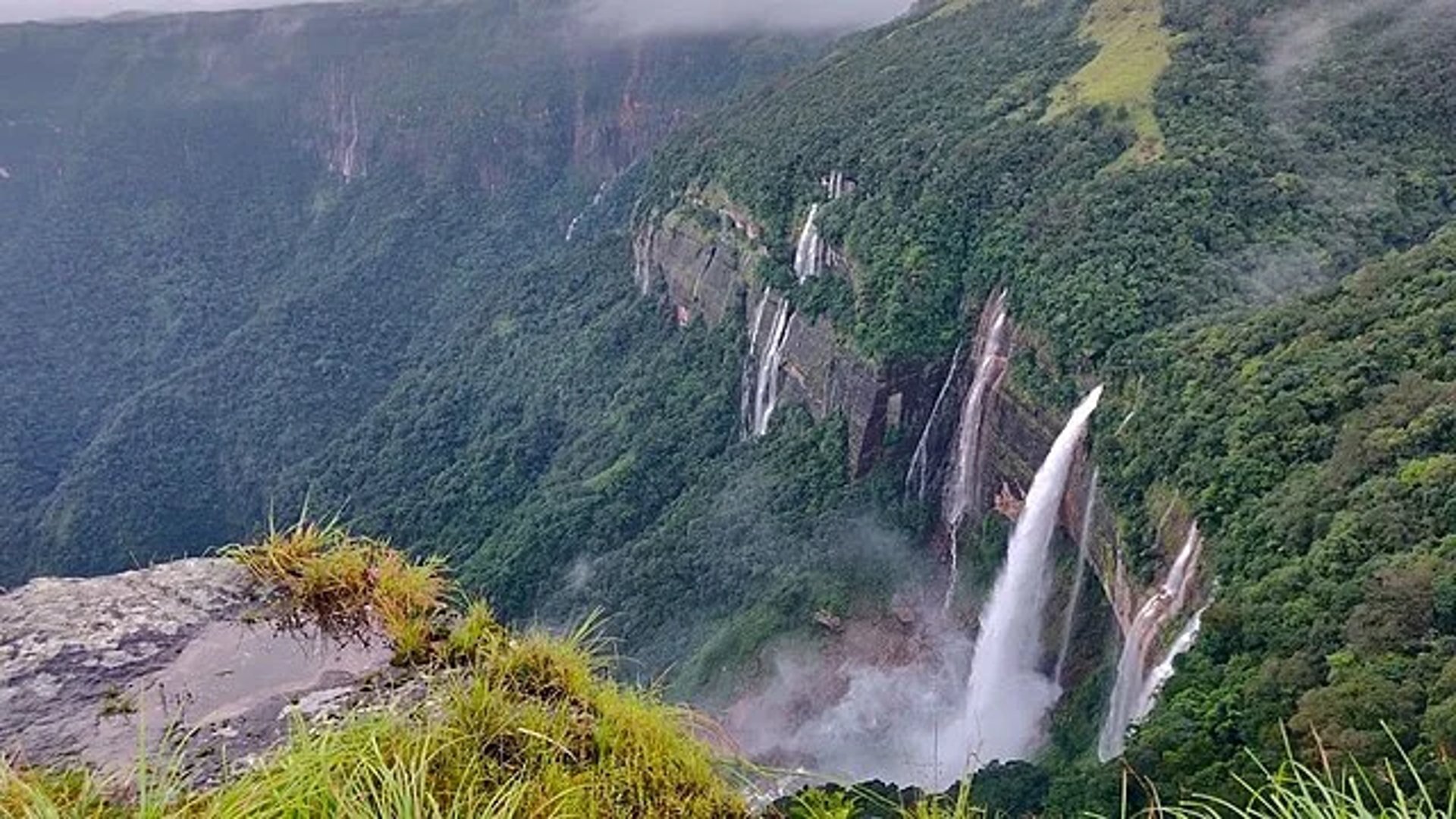
Nohkalikai Falls is one of India’s most spectacular waterfalls, plunging from a high green cliff into a striking pool below. The waterfall is surrounded by rugged escarpments and thick vegetation, creating a dramatic landscape that changes with the seasons. Its name is associated with a poignant Khasi legend, adding a cultural dimension to its natural beauty.
The falls are especially impressive during the rainy season, when the water flows powerfully down the cliff. On clearer days, the viewpoint offers excellent photography opportunities. Visitors should allow time for the surrounding scenery and check visibility before travelling, as mist can obscure the view.
Nohsngithiang Falls (Seven Sisters Falls)
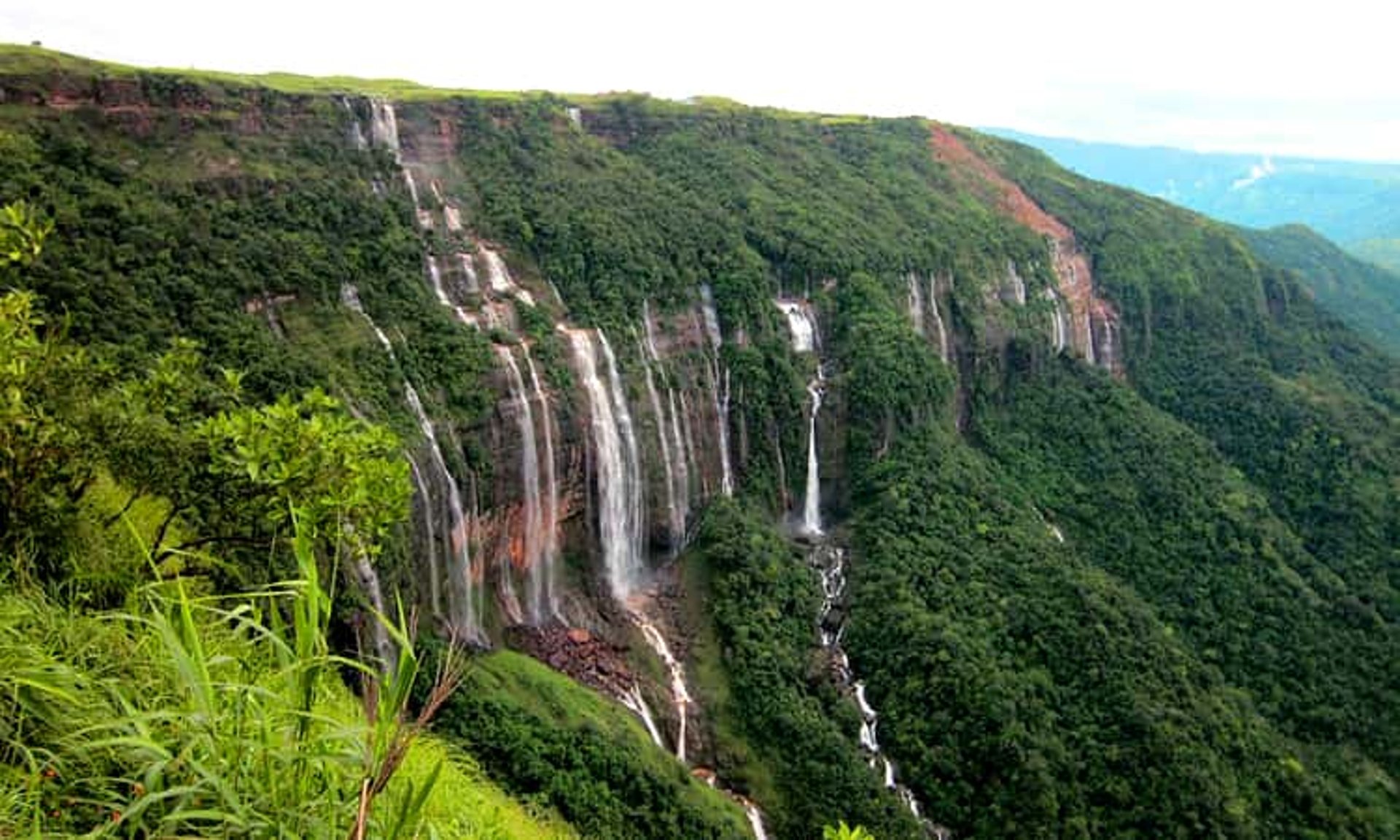
Nohsngithiang Falls is a remarkable seven-segment waterfall that cascades over a vast limestone cliff along the southern edge of the Khasi Hills. The sight of multiple streams falling through a green landscape makes it one of Sohra’s signature attractions.
The waterfall is most impressive during the monsoon and immediately afterwards, although heavy mist may limit visibility. A nearby viewpoint makes it convenient to appreciate the scale of the falls without undertaking a strenuous trek.
Dainthlen Falls
Dainthlen Falls is known for its broad cascade, rocky surroundings and association with a Khasi legend about a giant serpent. Unlike waterfalls that plunge into a deep valley, the water flows over a rocky landscape, creating a different but equally striking spectacle.
The falls are ideal for photography and for travellers interested in the folklore of Meghalaya. Visitors should take care around wet rocks and fast-moving water, particularly during the monsoon.
Mawsmai Cave
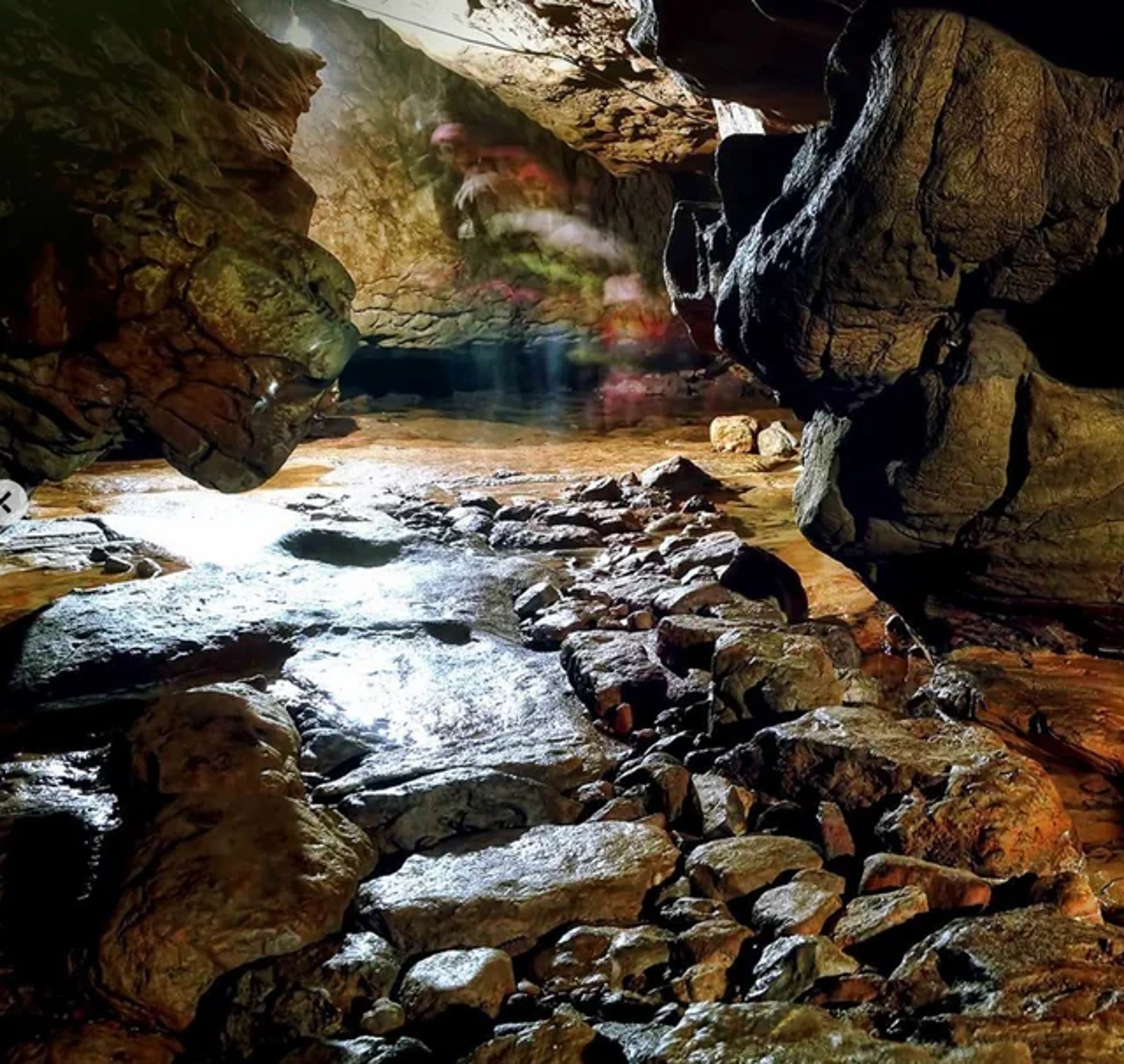
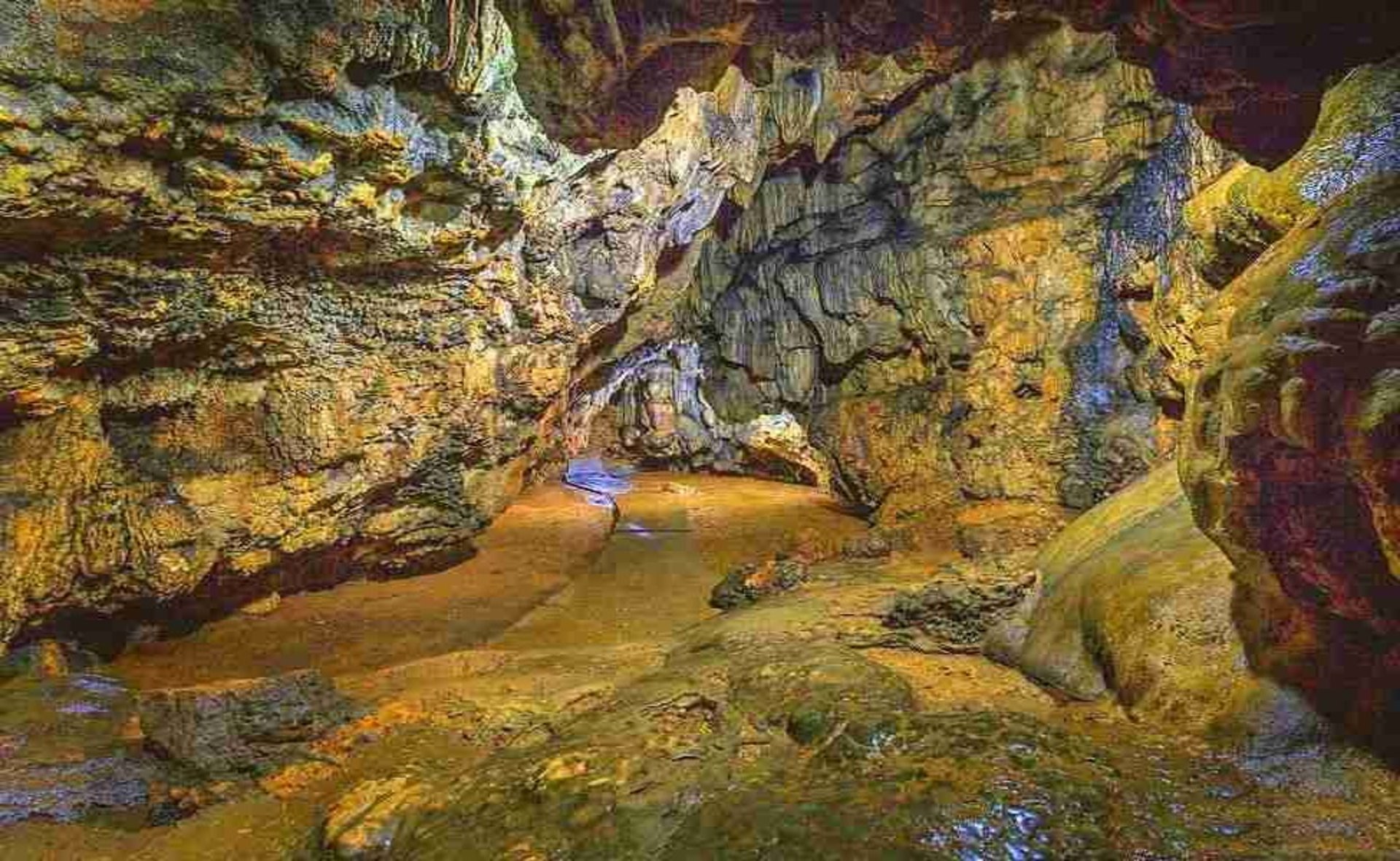
Mawsmai Cave is one of Meghalaya’s best-known limestone caves, featuring narrow passages, naturally sculpted rock formations and chambers shaped over thousands of years by water. Its underground setting offers a fascinating contrast to the waterfalls and open landscapes found above ground.
The accessible sections make it a popular introduction to cave exploration for many visitors. Some passages are narrow and damp, so comfortable footwear and care while moving through the cave are important. Those uncomfortable with confined spaces may prefer to admire the surrounding countryside instead.
Arwah Cave
Arwah Cave is an impressive limestone cave known for its geological formations and visible fossils embedded in the rock. Its passages reveal evidence of ancient marine life and offer an intriguing glimpse into the geological history of the region.
The cave is a rewarding stop for nature enthusiasts, geology lovers and curious travellers. Access involves walking along a trail, and conditions inside can be damp and uneven. A local guide can help visitors appreciate the cave’s natural features and fossil-bearing rock.
Double Decker Living Root Bridge
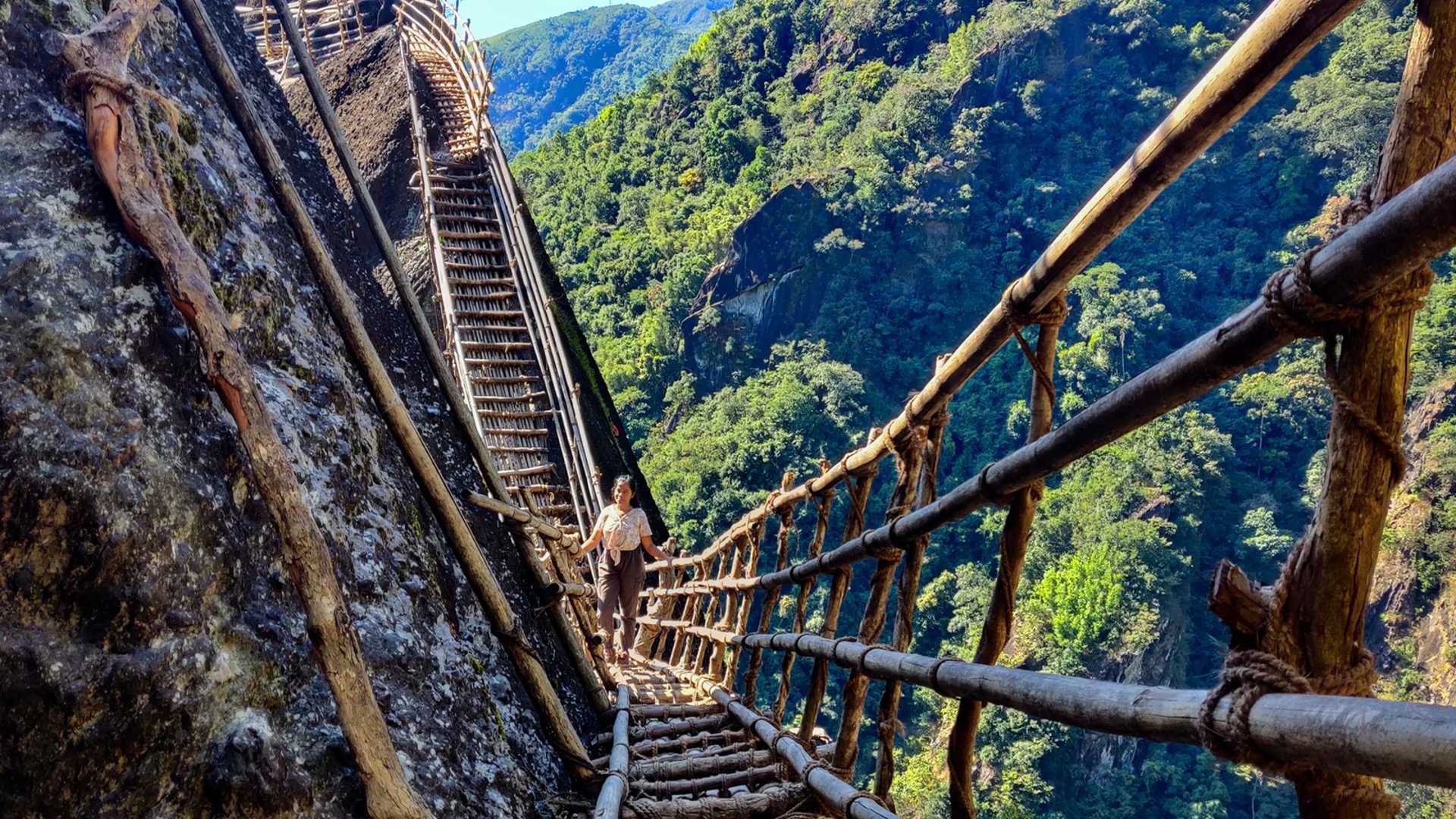
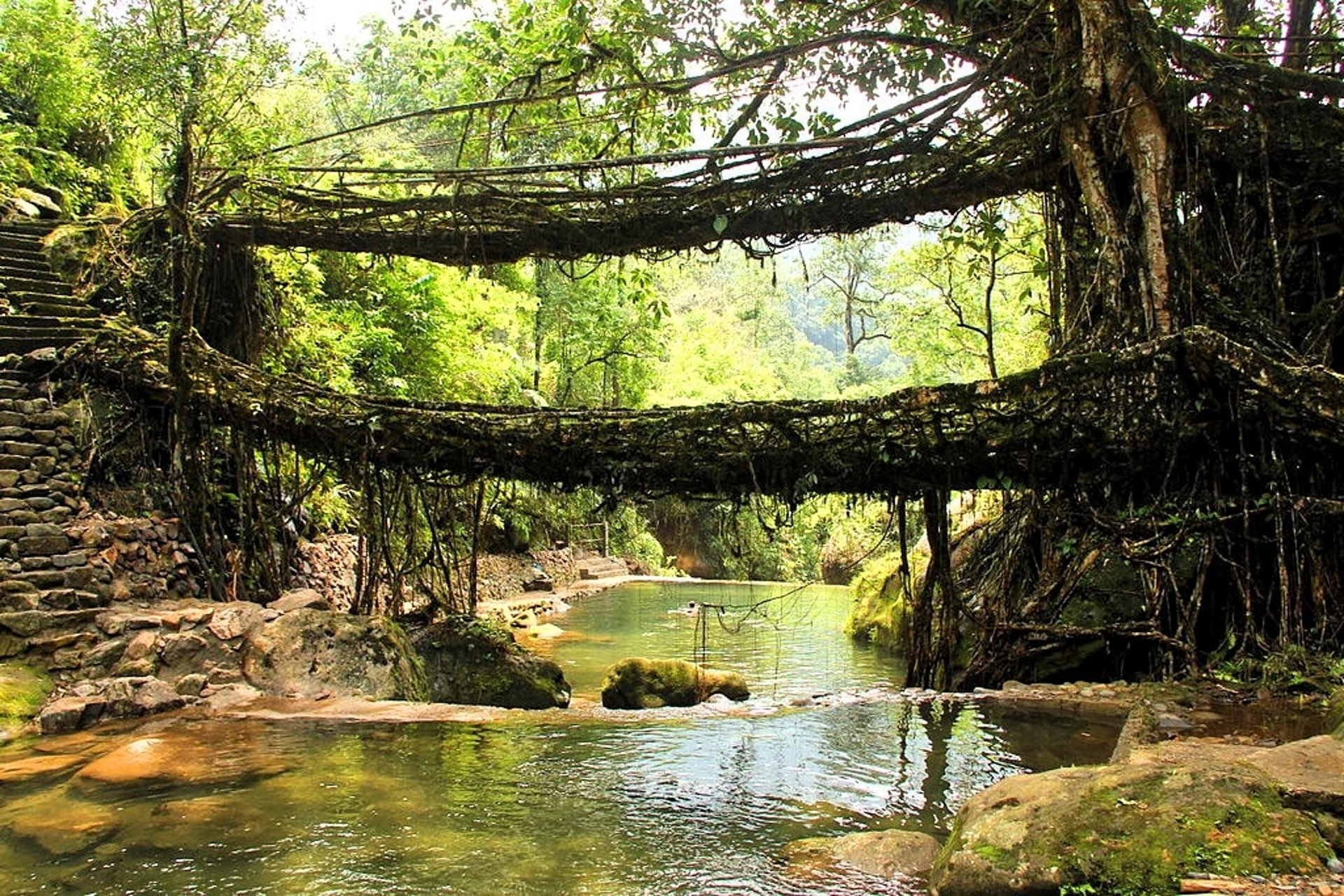
Hidden in the forested valleys near Nongriat, this extraordinary double-decker living root bridge is one of Meghalaya’s most remarkable examples of traditional ecological engineering. Khasi communities have carefully guided the roots of rubber trees across streams over generations, creating living bridges that strengthen and develop over time.
Reaching the bridge requires a substantial trek involving hundreds of steps, steep sections and river crossings. Visitors should set aside several hours, wear good trekking shoes and carry drinking water. The effort is rewarded by an unforgettable experience of forest scenery, village life and indigenous ingenuity.
Mawkdok Dympep Valley Viewpoint
This spectacular viewpoint overlooks a deep valley covered in dense green vegetation and rolling hills. Located along the scenic road between Shillong and Sohra, it is a popular place to pause, take photographs and appreciate the dramatic topography of the Khasi Hills.
Depending on local operators and weather, visitors may also find adventure activities such as zip-lining in the area. The viewpoint is easily incorporated into a road trip, although cloud cover can sometimes obscure the landscape.
Thangkharang Park
Thangkharang Park is a scenic garden and viewpoint overlooking the rugged cliffs of the Khasi Hills and the plains stretching towards Bangladesh. Its landscaped surroundings and open views provide a pleasant place to enjoy the region’s striking geography.
The park is often combined with nearby waterfalls and viewpoints during a Sohra sightseeing trip. Visitors should check local access arrangements and allow extra time if they wish to explore the surrounding viewpoints.
Khoh Ramhah (Motrop)
Khoh Ramhah is a distinctive rock formation that rises above the surrounding green landscape. Its unusual shape, which resembles a large basket or an inverted cone, has inspired local stories and makes it an interesting stop for travellers exploring the Sohra region.
The viewpoint offers opportunities for landscape photography and a chance to appreciate the dramatic rock formations of Meghalaya. It is a convenient addition to a sightseeing circuit that includes Thangkharang Park and other nearby attractions.
Eco Park
Eco Park near Sohra is known for its landscaped surroundings and expansive views of the southern escarpment. On a clear day, visitors can look across deep valleys towards the plains of Bangladesh, while the mist and changing light create a distinctive hill-country atmosphere.
It is a good place for a relaxed walk, photography and a break between waterfall visits. The park is most rewarding when visibility is good, so travellers may wish to keep their schedule flexible during rainy weather.
Wah Kaba Falls
Wah Kaba Falls is a dramatic waterfall that descends along a steep cliff into a deep valley. Surrounded by green slopes and open countryside, it showcases the rugged landscape that makes Sohra famous among nature lovers.
Visitors can enjoy the views from designated areas and photograph the cascade when water flow and visibility are favourable. Because the terrain can be exposed and slippery, it is important to remain on safe paths and avoid cliff edges.
Kynrem Falls
Kynrem Falls is a magnificent multi-tiered waterfall set among the green cliffs and forests of the Sohra region. The water tumbles down a high rock face in successive stages, creating a spectacular sight when rainfall is abundant.
The falls can be viewed during a sightseeing trip around Thangkharang Park and the southern escarpment. Monsoon conditions offer impressive water flow, while a clear day provides better views of the surrounding landscape.
David Scott Trail
The David Scott Trail is a historic walking route through the Khasi Hills, passing streams, forests, open meadows and traditional villages. Named after a British administrator associated with the route, it offers an appealing blend of natural scenery and colonial-era history.
The trail is best suited to travellers who enjoy hiking and want to experience rural Meghalaya on foot. Route length, weather and trail conditions should be checked locally before setting out, and visitors should arrange transport at both ends if undertaking a one-way walk.
Cherrapunji's villages and living root bridges
Mawlynnong Village
Mawlynnong is renowned for its cleanliness, well-kept gardens, traditional homes and community-led approach to environmental conservation. Often promoted as one of Asia’s cleanest villages, it offers visitors an opportunity to experience the beauty of rural Khasi life and the pride residents take in maintaining their surroundings.
Visitors can walk through the village, interact respectfully with local residents and explore nearby viewpoints and traditional architecture. The village is best experienced at a leisurely pace, and staying overnight in a local homestay can provide a deeper appreciation of village life.
Riwai Living Root Bridge
Near Mawlynnong, the Riwai Living Root Bridge is a remarkable natural structure created by guiding the aerial roots of rubber trees across a stream. The bridge demonstrates how Khasi communities have developed practical, long-lasting crossings by working with nature rather than replacing it with conventional construction.
Compared with the famous double-decker bridge at Nongriat, Riwai is generally easier to reach and is a good option for families and travellers with limited time. The approach still involves walking over uneven paths and steps, so comfortable footwear is recommended.
Kongthong Village
Kongthong is famous for a distinctive Khasi tradition in which people use individual melodic tunes, often described as whistles, to call one another. This unusual cultural practice has earned the village the nickname “Whistling Village” and made it an intriguing destination for travellers interested in indigenous customs and living heritage.
Beyond its cultural identity, Kongthong offers scenic hills, rural pathways and opportunities to learn about community life. Visitors should arrange their trip in advance where possible and respect residents’ privacy when photographing people or documenting local traditions.
Nongriat Village
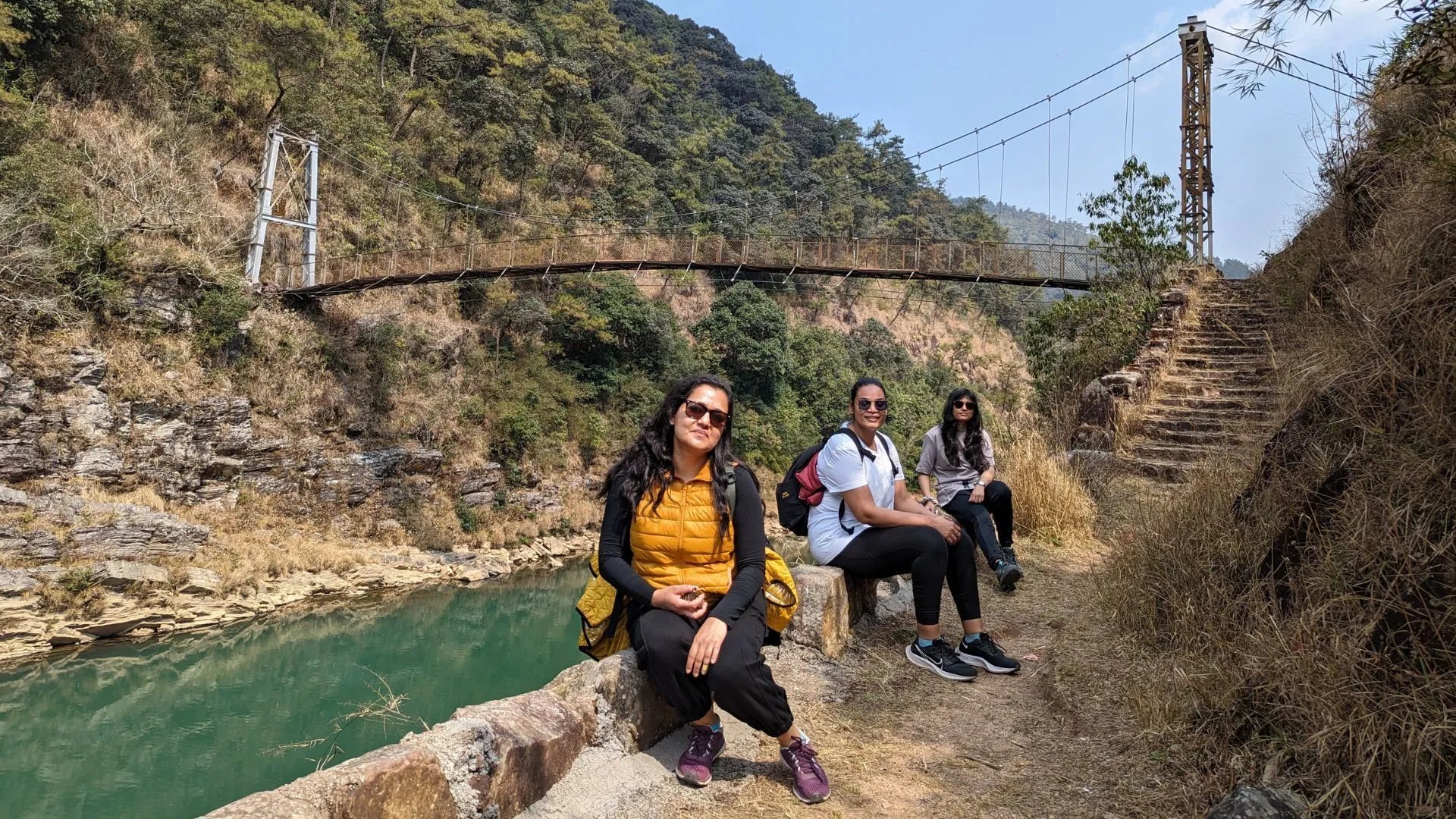
Nongriat is a remote village nestled in a lush valley near Sohra, best known as the gateway to the Double Decker Living Root Bridge. The journey through forested slopes, stone stairways, streams and traditional settlements is an attraction in itself, offering a close connection with Meghalaya’s natural environment.
The village is ideal for trekking enthusiasts who want to spend more time exploring beyond the main tourist viewpoints. Visitors can consider a homestay, explore nearby streams and waterfalls where safe and permitted, and plan sufficient time for the strenuous return climb.
Laitkynsew
Laitkynsew is a peaceful village in the Sohra region, surrounded by green hills, forested valleys and traditional Khasi settlements. It is a wonderful alternative for travellers looking to experience Meghalaya at a slower pace, away from crowded viewpoints and busy sightseeing circuits.
Visitors can enjoy village walks, countryside photography and stays in local homestays. The village can also serve as a base for exploring nearby rural landscapes and walking routes, subject to local trail conditions and guidance.
Dawki and the Umngot River
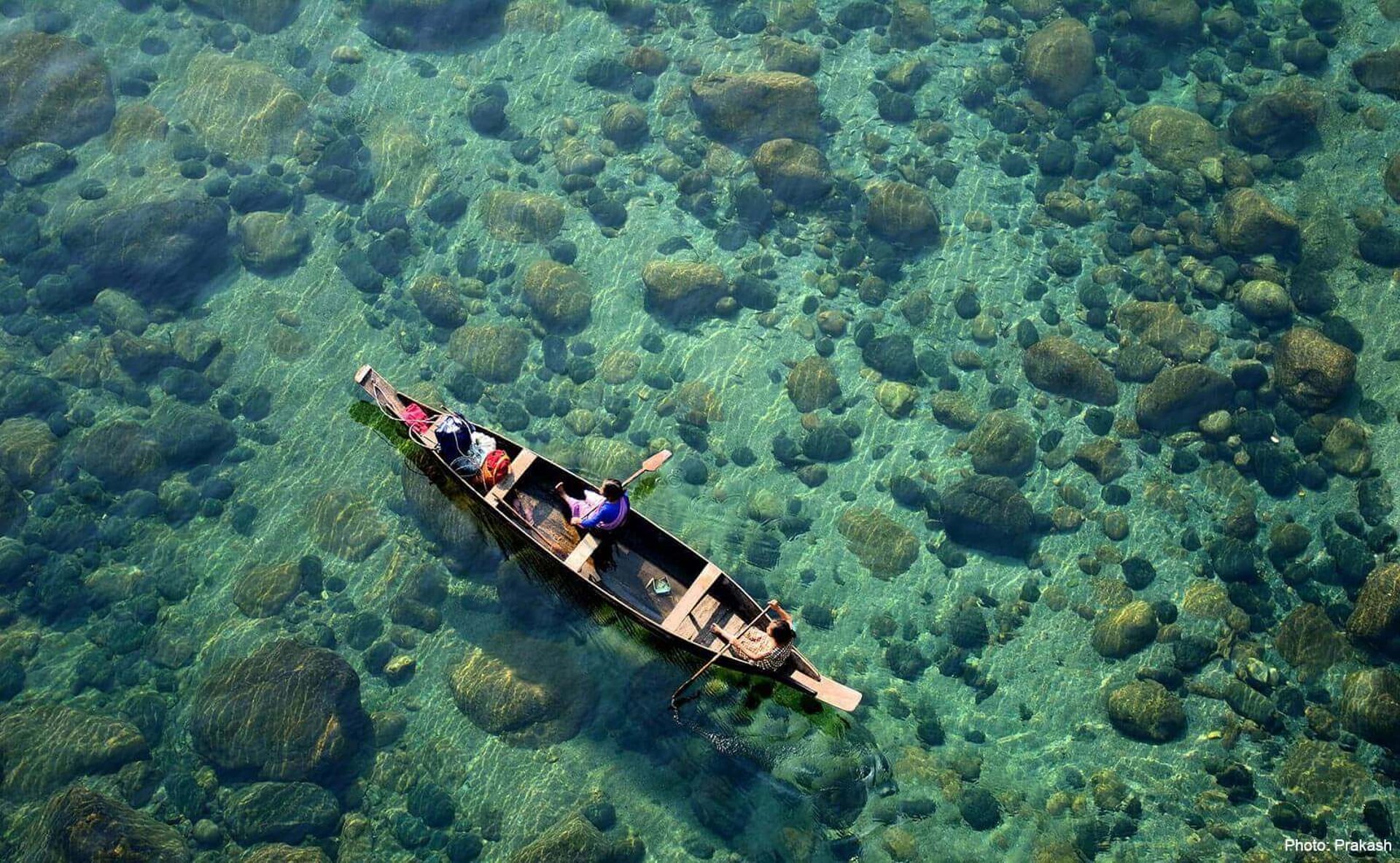
Dawki is famous for the exceptionally clear waters of the Umngot River, where boats can appear to float above the riverbed when the water is calm and visibility is excellent. Set against green hills near the India–Bangladesh border, it is one of Meghalaya’s most photographed destinations and a highlight of many Northeast India holidays.
Visitors can enjoy boating and riverside scenery, with additional activities available through local operators. Water clarity changes with rainfall, sediment and river conditions, so the famous transparent-water effect is not guaranteed every day. Carry identification and follow local instructions because the area lies close to an international border.
Shnongpdeng
Shnongpdeng is a riverside destination near Dawki that has become popular for adventure tourism and overnight stays in nature. The clear river, forested banks and surrounding hills create an appealing setting for travellers who want more than a short boating excursion.
Depending on river conditions and local operators, activities may include kayaking, boating, snorkelling, cliff jumping at designated locations and camping. Safety standards and availability vary, so use reputable operators, wear appropriate safety equipment and avoid entering the river during dangerous conditions.
Krang Suri Falls
Krang Suri Falls is one of Meghalaya’s most visually striking waterfalls, celebrated for its turquoise pool, forested setting and water cascading over rocky cliffs. The vivid colour of the water, particularly under favourable light, creates an almost tropical appearance that contrasts beautifully with the surrounding greenery.
A walking route leads to the waterfall, and the area is popular for photography and nature excursions. Swimming should only be considered where explicitly permitted and safe, with local guidance, as water depth and currents can be hazardous.
Phe Phe Falls
Phe Phe Falls is a scenic waterfall in the Jaintia Hills region, known for its beautiful cascade, green surroundings and inviting blue-green water. The waterfall and its surrounding landscape offer a rewarding excursion for travellers looking for natural beauty beyond Meghalaya’s most familiar tourist spots.
Reaching the falls involves walking, and conditions may become difficult during wet weather. Visitors should allow enough time for the approach, follow local safety guidance and check access conditions before travelling.
Nartiang Monoliths
The Nartiang Monoliths form an impressive collection of ancient standing stones and megalithic structures associated with the history and traditions of the Jaintia people. The stones, arranged in distinctive groups, reflect longstanding cultural practices connected with community memory, ancestry and historical events.
The site offers a fascinating contrast to Meghalaya’s natural attractions and is especially rewarding for travellers interested in archaeology, indigenous heritage and photography. Visitors should treat the stones as important cultural landmarks and avoid climbing on or disturbing them.
Jowai
Jowai is the principal town of the Jaintia Hills and an excellent base for discovering the region’s waterfalls, lakes, monoliths and cultural heritage. Its markets, churches and surrounding countryside provide a glimpse of everyday life among the Pnar people, whose traditions and festivals are an important part of Meghalaya’s cultural diversity.
Visitors can explore local food and markets before heading to nearby natural attractions. Jowai is particularly useful for travellers planning to explore the Jaintia Hills over one or more days rather than returning to Shillong after every excursion.
Ialong Eco Park
Ialong Eco Park is a green recreational area overlooking the Myntdu River valley near Jowai. Its forested slopes, walking areas and scenic viewpoints make it an appealing destination for visitors who want to relax in nature while exploring the Jaintia Hills.
The park is well suited to leisurely walks, photography and picnics. It can be combined with nearby Jowai attractions for a half-day outing, although visitors should check local access arrangements and weather conditions.
Syntu Ksiar
Syntu Ksiar is a scenic stretch of the Myntdu River near Jowai, surrounded by green hills and open countryside. The location also has historical and cultural associations, making it more than simply a riverside picnic spot.
Visitors can enjoy the river views, take photographs and learn about the local significance of the area. It is an easy addition to a Jowai sightseeing circuit and provides a peaceful pause between longer road journeys.
Nartiang Durga Temple
Nartiang Durga Temple is an important religious landmark in the Jaintia Hills, reflecting a distinctive connection between Hindu worship and the region’s royal and local traditions. Its history and continuing religious significance make it a meaningful stop for travellers interested in Meghalaya’s diverse spiritual heritage.
The temple can be visited alongside the nearby Nartiang Monoliths, creating a rewarding cultural excursion. Visitors should dress respectfully and follow local customs, particularly during religious observances and festivals.
Thadlaskein Lake
Thadlaskein Lake is a peaceful waterbody surrounded by green hills and local settlements, making it a pleasant stop on a journey through the Jaintia Hills. The lake is associated with local legends and offers a quieter alternative to the state’s more heavily visited waterfalls.
Visitors can enjoy the scenery, take photographs and learn about the stories connected with the lake. It is best combined with other attractions along the Shillong–Jowai route, subject to the time available and road conditions.
Mawsynram
Mawsynram is internationally known for its exceptionally heavy rainfall and dramatic landscapes shaped by the monsoon. Mist-covered hills, deep green valleys, waterfalls and rural settlements make it a fascinating destination for travellers who want to experience the wetter, wilder side of Meghalaya.
Visitors can explore the surrounding countryside, discover local caves and enjoy scenic drives through the hills. The monsoon offers a dramatic atmosphere but can also bring landslides and poor visibility, so travellers should check weather forecasts and road conditions before setting out.
Mawjymbuin Cave
Mawjymbuin Cave is a distinctive limestone cave known for its naturally formed rock structures, stalagmites and unusual mineral formations. Its geological features make it an interesting attraction for visitors exploring the Mawsynram region.
The cave also has religious associations, and visitors may encounter local traditions connected with its natural formations. Access and the areas that can be entered may vary, so follow local guidance and respect the site's religious significance.
Mawlyngbna
Mawlyngbna is an emerging adventure and nature destination known for its unusual rock formations, fossil-bearing rocks, streams and striking countryside. Its landscape offers a different perspective on Meghalaya, combining geological interest with outdoor experiences in a relatively quiet rural setting.
Depending on the season and local operators, visitors may enjoy guided walks, kayaking, natural pools and other adventure activities. The area is best explored with local guidance, particularly when rain affects streams, trails and access routes.
Lum Sohpetbneng
Lum Sohpetbneng, often referred to as the “Navel of Heaven,” holds deep spiritual significance in Khasi tradition. The sacred mountain is associated with ancestral beliefs and stories about the relationship between the human world and the divine.
Its forested setting and elevated views make it meaningful for both cultural exploration and nature appreciation. Visitors should respect religious customs and understand that access or visits may be affected by local ceremonies and community practices.
Kyllang Rock
Kyllang Rock is an enormous dome-shaped granite formation rising above the surrounding forest and countryside. Its unusual geological structure, local legends and commanding appearance make it one of the most distinctive natural landmarks in the West Khasi Hills.
The surrounding area is suitable for scenic drives and nature photography, while walks or climbs should only be attempted where permitted and safe. It is a good choice for travellers wishing to explore beyond the main Shillong–Sohra circuit.
Weinia Falls
Weinia Falls is a beautiful waterfall in the West Khasi Hills, set amid rugged slopes and lush vegetation. The surrounding landscape is less familiar to many visitors than the waterfalls around Sohra, offering a rewarding experience for those seeking quieter natural attractions.
The waterfall is particularly attractive during periods of good water flow, although heavy rain can make the surrounding terrain difficult to navigate. Confirm local access and road conditions before including it in a longer countryside excursion.
Mawkyrduk Monolith
Mawkyrduk Monolith reflects Meghalaya’s longstanding megalithic traditions, in which standing stones and stone arrangements hold cultural and historical significance. Such sites offer a glimpse into the customs, collective memory and ancestral connections of indigenous communities.
It is a worthwhile stop for travellers interested in heritage and lesser-known attractions. Because small cultural sites may be difficult to locate independently, visitors should confirm the precise location and seek local guidance before travelling.
Garo Hills: wildlife, forests and adventure
The Garo Hills in western Meghalaya offer a different travel experience from the popular destinations around Shillong. The region is known for dense forests, wildlife, river valleys, waterfalls and the traditions of the Garo people. It is particularly suitable for nature lovers, birdwatchers and travellers with additional time to explore Meghalaya beyond its central tourist circuit.
Tura
Tura is the principal town of the western Garo Hills and an important base for exploring the region’s forests, hills, villages and cultural attractions. Its lively markets, local cuisine and surrounding green landscape offer a different perspective on Meghalaya from the more frequently visited Khasi Hills.
Travellers can use Tura as a starting point for excursions to Tura Peak, Pelga Falls and other destinations in the Garo Hills. Because distances are substantial, visitors should allow extra time for road journeys and check accommodation and transport options in advance.
Tura Peak
Tura Peak rises above the town of Tura and is surrounded by forest rich in natural beauty and biodiversity. The elevated setting offers views across the Garo Hills and makes the peak an attractive destination for travellers who enjoy hiking and quiet forest environments.
The ascent is best planned with enough daylight and suitable footwear. Local advice is useful for understanding the route, trail conditions and any access restrictions, particularly during the rainy season.
Nokrek Biosphere Reserve
Nokrek Biosphere Reserve is an important conservation landscape in the Garo Hills, protecting forests and habitats that support rich biodiversity. The reserve is associated with endangered wildlife, including the western hoolock gibbon, and is notable for its ecological importance and indigenous plant life.
The area is best suited to nature enthusiasts, birdwatchers and travellers interested in conservation. Wildlife sightings are never guaranteed, and visitors should follow forest regulations, use authorised routes and seek local guidance before entering protected areas.
Balpakram National Park
Balpakram National Park is a dramatic wilderness area known for its deep gorges, forested plateaus, unusual rock formations and rich wildlife. Local Garo traditions and legends add a distinctive cultural dimension to its rugged landscape, making the park an especially intriguing destination for adventure-minded travellers.
Visitors should plan carefully because the park is remote and access can be affected by weather and road conditions. It is advisable to arrange transport, accommodation and local guidance in advance, and to follow all wildlife and conservation regulations.
Siju Caves
Siju Caves are among the best-known cave systems in the Garo Hills, featuring limestone passages, underground chambers and impressive natural formations. The caves offer an exciting introduction to Meghalaya’s extensive underground landscapes and are of particular interest to geology enthusiasts and adventure travellers.
Cave exploration requires care, and access conditions may vary. Visitors should check which sections are open, use suitable equipment where necessary and follow local or authorised guides rather than entering unfamiliar passages independently.
Pelga Falls
Pelga Falls is a pleasant natural attraction near Tura, surrounded by green vegetation and rocky riverbanks. Its relatively accessible setting makes it popular for short outings, photography and relaxing in nature without undertaking a long expedition into the Garo Hills.
Visitors can combine the falls with Tura sightseeing or a countryside drive. During the monsoon, the flow can be impressive, but wet rocks and stronger currents require caution.
Rongbangdare Falls
Rongbangdare Falls is a scenic waterfall in the Garo Hills, offering a peaceful setting amid green slopes and forested countryside. It is an appealing addition for travellers who want to explore the region’s natural attractions and discover places that are less prominent on standard Meghalaya itineraries.
The journey may require additional driving and walking, depending on the access route. Visitors should check local conditions and allow sufficient time to enjoy the scenery safely.
Chandigre Rural Tourism Resort
Chandigre offers visitors an opportunity to experience the landscapes and cultural character of the Garo Hills in a rural tourism setting. Surrounded by greenery, it is an appealing place for travellers who want to slow down, enjoy local hospitality and learn more about life in western Meghalaya.
Depending on available arrangements, visitors can combine a stay with local village visits, cultural experiences and nature excursions. Confirm accommodation, activities and access arrangements before travelling.
Siju Bird Sanctuary
Siju Bird Sanctuary and the surrounding riverine habitats are of interest to birdwatchers and nature lovers exploring the Garo Hills. The area’s vegetation and waterways provide habitats for birdlife and other wildlife, making it a worthwhile destination for those who prefer quieter outdoor experiences.
Birdwatching is generally most rewarding in the early morning, when activity is often higher. Bring binoculars if available, keep noise to a minimum and follow local conservation guidance to avoid disturbing wildlife.
Best time to visit
October to April is generally a comfortable period for sightseeing, road journeys and outdoor activities. The monsoon, approximately June to September, brings dramatic waterfalls and exceptionally green landscapes, but heavy rain may cause landslides, poor visibility and trail closures.
How to reach Meghalaya
Guwahati in Assam is a major arrival point for visitors travelling to Shillong by road. Shillong also has air connectivity through its airport, but flight options are limited. Travellers should check schedules before booking and allow adequate time for road transfers.
Local transport and sightseeing
A private vehicle with a local driver is a convenient option for exploring Meghalaya, particularly when visiting waterfalls, villages and viewpoints spread across different districts. Driving times can be longer than distances suggest because of winding roads, weather and road conditions.
Clothing and footwear
Carry a waterproof jacket, an umbrella, comfortable walking shoes and warm clothing for cool evenings. Trekking destinations such as Nongriat require good physical preparation, sufficient drinking water and footwear suitable for steep, wet steps.
Responsible tourism and safety
Respect village customs, sacred forests, religious sites and community-owned land. Follow local guidance around waterfalls, caves and rivers, particularly during heavy rainfall. Some activities, protected areas and border locations may require permission or have restricted access.
(C) 2026 casabanana


78 Helena
Okram leikai,
Singjamei,
Imphal west
India - 795001
Email - koroulembaokram@gmail.com
Mobile- +91 9815902929
WhatsApp - +91 9815902929