
Tripura
Welcome to Tripura
Nestled in the verdant hills and fertile plains of Northeast India, Tripura is a land of rich cultural heritage, ancient history, and natural beauty. Often referred to as the "Land of Palaces and Temples," Tripura is renowned for its royal legacy, vibrant traditions, picturesque landscapes, and warm hospitality.
One of the oldest princely states in India, Tripura boasts a fascinating blend of indigenous tribal cultures and Bengali influences, creating a unique cultural tapestry. The state is blessed with lush green forests, rolling hills, serene lakes, winding rivers, and diverse wildlife, making it an ideal destination for nature enthusiasts and explorers.
From the vibrant capital city of Agartala, home to magnificent palaces and cultural landmarks, to the tranquil villages and scenic countryside, every corner of Tripura reflects a harmonious blend of history, tradition, and modern development. Visitors can explore ancient temples, archaeological sites, wildlife sanctuaries, and breathtaking natural attractions while experiencing the warmth and hospitality of its people.
Tripura is best known for the majestic Ujjayanta Palace, the revered Tripura Sundari Temple, one of the 51 Shakti Peethas, and the remarkable rock carvings of Unakoti, which stand as testimony to the state's rich historical and spiritual heritage.
Whether you are a history enthusiast eager to explore royal legacies, a nature lover seeking peaceful retreats, an adventure seeker looking for offbeat experiences, or a traveler interested in discovering diverse cultures and traditions, Tripura offers an unforgettable journey.
Come and discover a land where ancient heritage, vibrant traditions, and natural beauty come together to create lasting memories in the heart of Northeast India.


Places of interest in Tripura
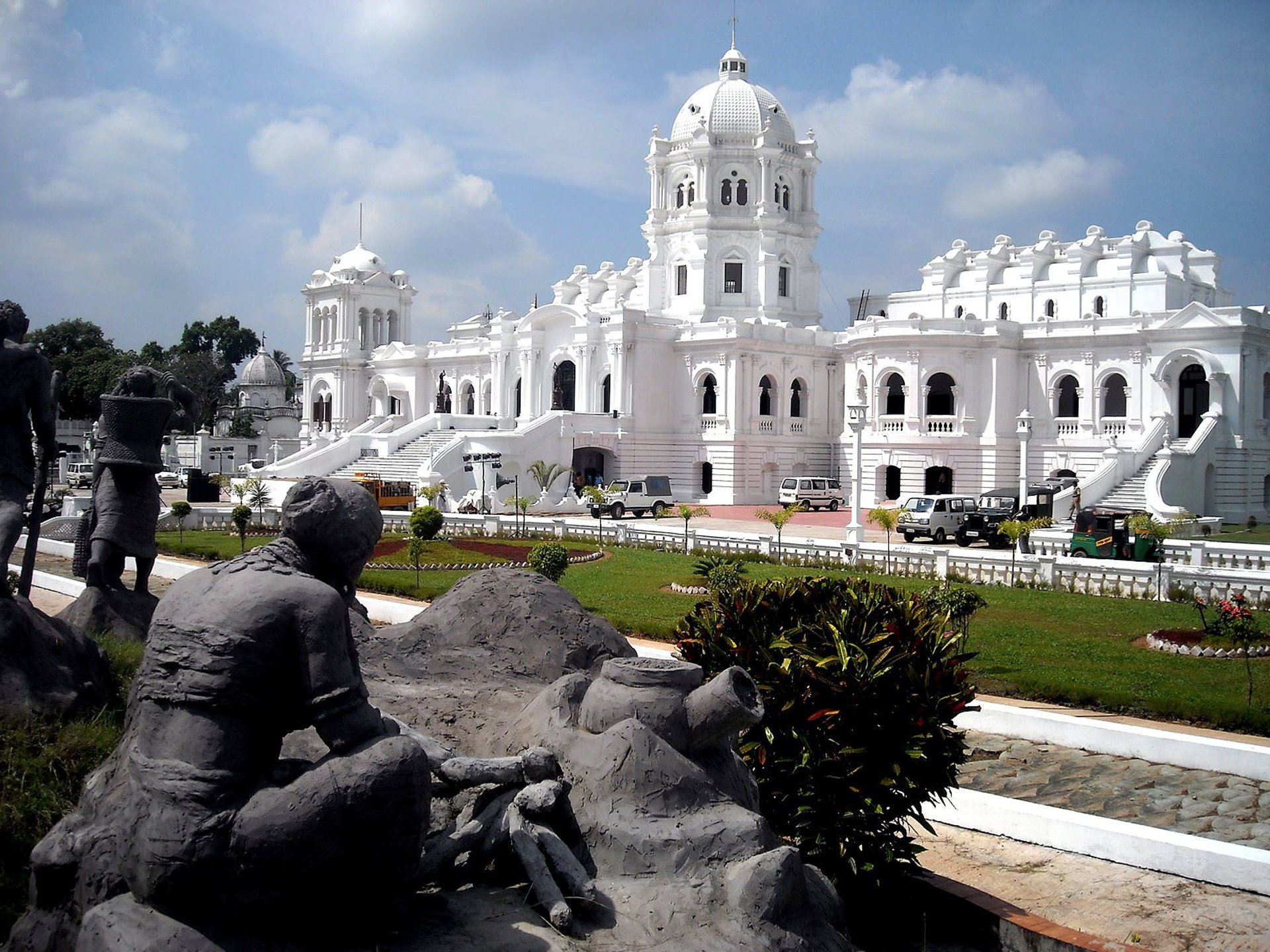
Ujjayanta Palace
Ujjayanta Palace is one of Tripura’s most recognisable landmarks, standing in the heart of Agartala. Built during the reign of Maharaja Radha Kishore Manikya in the late nineteenth and early twentieth centuries, the grand white palace features elegant domes, impressive halls, decorative architecture and landscaped surroundings. It now houses the Tripura State Museum, where visitors can discover the state’s history, art, archaeology and cultural traditions.
Best for: History, architecture, museums and photography.
Heritage Park, Agartala
Heritage Park offers a pleasant introduction to Tripura’s cultural and architectural heritage in a landscaped setting. Its miniature representations of important monuments and attractions from across the state help visitors understand Tripura’s diversity without travelling long distances. Walking paths and green spaces make it a relaxing stop for families and visitors exploring the capital.
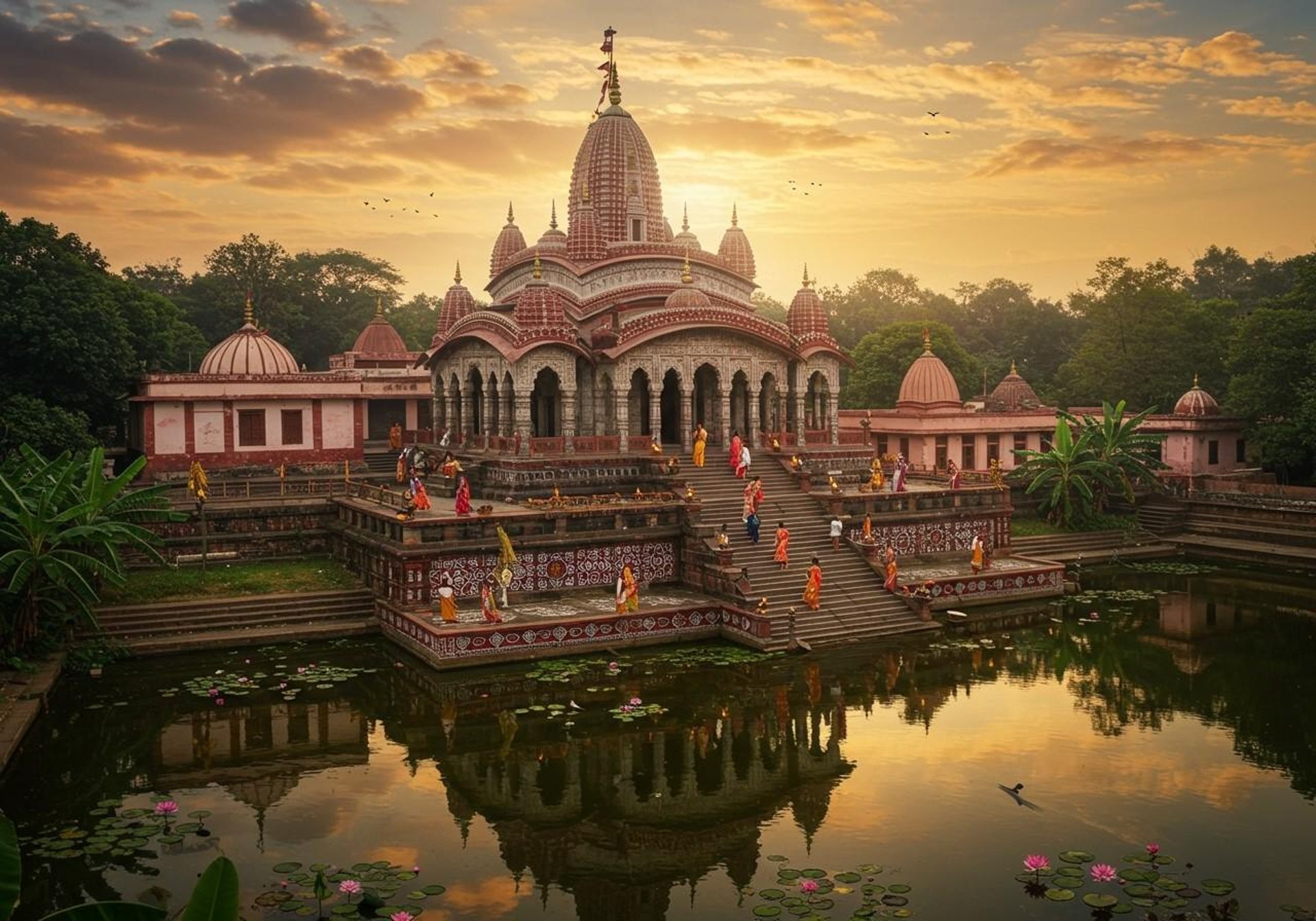
Jagannath Temple
Jagannath Temple is a prominent religious and architectural attraction in Agartala, dedicated to Lord Jagannath, Balabhadra and Subhadra. Its distinctive design and colourful exterior make it stand out among the city’s landmarks. The temple is particularly lively during religious festivals, when devotees gather for prayers and celebrations.
Chaturdasha Devata Temple
Located at Old Agartala, this temple is dedicated to the Fourteen Deities worshipped in Tripura’s traditional religious practices. It is an important centre of local faith and cultural identity, especially during the Kharchi Puja festival, which draws large numbers of devotees. The temple offers visitors a glimpse into the spiritual traditions that have shaped the region over generations.
Kunjaban Palace
Kunjaban Palace is associated with Tripura’s former royal family and its history. Set amid greenery in Agartala, the palace reflects the royal heritage of the Manikya dynasty. Visitors interested in the princely history of the state may appreciate seeing it alongside Ujjayanta Palace and other historic sites in the capital. Access to particular areas may be restricted, so check locally before visiting.
Laxmi Narayan Temple
Located in Agartala, Laxmi Narayan Temple is a well-known place of Hindu worship dedicated to Lord Vishnu and Goddess Lakshmi. It is a useful stop for travellers exploring the capital’s religious landmarks and offers a peaceful atmosphere for prayer and reflection.
Venuban Vihar
Venuban Vihar is a Buddhist religious site in Agartala known for its serene atmosphere and Buddha shrine. It offers a quieter cultural experience away from the busy streets of the capital. Visitors interested in Buddhist traditions and the religious diversity of Tripura can include it in a city sightseeing tour.
Gedu Mia Mosque
Gedu Mia Mosque is one of Agartala’s notable Islamic landmarks and reflects the religious diversity of the city. Visitors interested in local history and architecture can include it alongside the temples, palaces and museums of the capital. Visitors should dress respectfully and follow the rules observed at the place of worship.
Durgabari Tea Estate
Durgabari Tea Estate introduces visitors to Tripura’s tea-growing landscape, with rows of tea bushes set against a green countryside backdrop. It can be a pleasant addition to a sightseeing itinerary for travellers interested in agriculture, rural scenery and the everyday life of the region. Confirm access with the estate or local tourism authorities before planning a visit.
Akhaura Border and Integrated Check Post
The Akhaura crossing near Agartala is an important land connection between India and Bangladesh. The border area provides an opportunity to understand the close geographical, historical and cultural links between the two neighbours. This is an operational border facility, not a conventional tourist attraction; visitors should observe restrictions, avoid photographing prohibited areas and follow official instructions.
Khumulwng Eco Park
Situated near Khumulwng, the headquarters of the Tripura Tribal Areas Autonomous District Council, this green recreational space is a pleasant stop for families and nature lovers. It can be combined with a visit to the nearby town and local cultural attractions to learn more about Tripura’s indigenous communities and traditions.
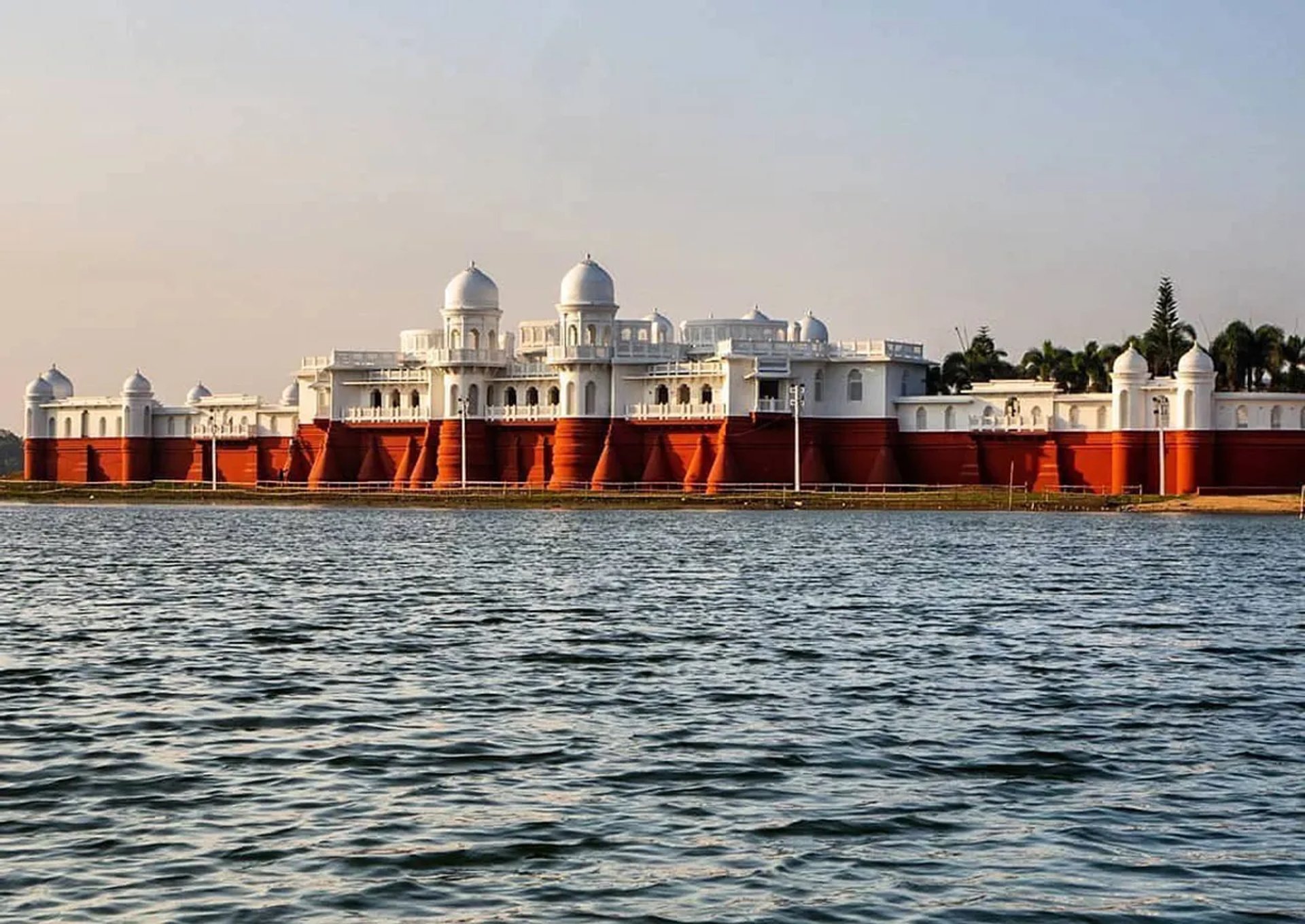
Neermahal Water Palace
Neermahal, meaning “Water Palace”, is one of Tripura’s most remarkable attractions. Built by Maharaja Bir Bikram Kishore Manikya in the middle of Rudrasagar Lake, the palace combines Hindu and Mughal architectural influences and served as a royal summer residence. Its striking appearance against the surrounding water makes it especially photogenic.
Visitors can generally explore the palace by boat, subject to operating conditions and local arrangements. Allow time to enjoy the lake views, particularly in the softer light of early morning or late afternoon.
Rudrasagar Lake
Rudrasagar Lake is a scenic freshwater lake best known as the setting for Neermahal. The surrounding wetlands and open water create a peaceful landscape that attracts nature lovers and birdwatchers, particularly during the migratory season. A boat ride, when available, offers a different perspective of the palace and its natural setting.
The lake is a Ramsar-designated wetland of international importance. Visitors should avoid littering and disturbing birds or other wildlife.
Sepahijala Wildlife Sanctuary
Sepahijala Wildlife Sanctuary is a popular destination for visitors interested in forests, birds and wildlife. Its green landscape supports a variety of animal and bird species, and the sanctuary is especially associated with the spectacled or Phayre’s leaf monkey. Depending on the facilities open during your visit, you may also find nature trails, a lake and wildlife-viewing areas.
It is a convenient excursion from Agartala for families and nature enthusiasts. Follow sanctuary rules, keep noise low and remember that wildlife sightings cannot be guaranteed.
Kamalasagar Lake and Kasba Kali Temple
Located near the Bangladesh border, Kamalasagar is known for its tranquil lake and the hilltop Kasba Kali Temple. The temple is an important pilgrimage site, while the lake creates an attractive backdrop for photography and quiet walks. The combination of religious heritage, water views and cross-border geography makes this a rewarding stop from Agartala.
Visitors should dress respectfully at the temple and follow any restrictions applicable to the nearby international border.
Boxanagar Buddhist Site
Boxanagar is an important archaeological destination in western Tripura, where remains of an ancient Buddhist complex have brought attention to the region’s historic Buddhist connections. The site offers an opportunity to explore a lesser-known chapter of Tripura’s past and is particularly interesting for travellers keen on archaeology and religious history.
As this is an archaeological site, visitors should respect protected areas and any instructions from site authorities.
Butterfly Eco Park
The Butterfly Eco Park in the southern part of Tripura is a nature-focused attraction associated with the Trishna wildlife area. It provides an opportunity to learn about butterflies and their habitats while enjoying a green setting. It is particularly suitable for families, school groups and visitors who enjoy gentle nature-based activities.
Check current access and operating arrangements before travelling, as facilities and visiting hours may change.
Tripura Sundari Temple, Matabari
Also known as Matabari, the Tripura Sundari Temple is one of the state’s most important religious landmarks and is traditionally counted among the 51 Shakti Peethas. Dedicated to Goddess Tripura Sundari, it attracts pilgrims throughout the year, with especially large crowds during Diwali. Its spiritual significance and distinctive temple complex make it a must-visit for anyone exploring Tripura’s religious heritage.
The temple is located near Udaipur town and can be combined with nearby lakes and historic sites. Visitors should allow extra time during major festivals.
Bhubaneswari Temple
Situated near the Gomati River in the Udaipur area, Bhubaneswari Temple is a historic place of worship dedicated to Goddess Bhubaneswari. Its setting and association with Tripura’s royal and literary history make it especially appealing to visitors interested in heritage. The temple is also associated with Rabindranath Tagore’s literary work, adding another dimension to its cultural significance.
Gunabati Group of Temples
The Gunabati Group of Temples is a historic temple complex near Udaipur, associated with Tripura’s royal past. The remaining structures offer an interesting glimpse into traditional temple architecture and the religious life of the former kingdom. It is a worthwhile stop for travellers who enjoy exploring quieter heritage sites beyond the better-known pilgrimage centres.
Udaipur’s Historic Lakes
Udaipur, often called the lake city of Tripura, is dotted with historic water bodies such as Jagannath Dighi, Amarsagar and Kalyan Sagar. These lakes lend the town a distinctive character and are closely linked with its temples and urban history. A leisurely drive or walk around the central lakes is a good way to experience the town between visits to its major religious sites.
Tepania Eco Park
Tepania Eco Park is a green recreational destination near Udaipur, offering a pleasant setting for short walks, family outings and relaxation. It makes a useful addition to a day spent exploring Tripura Sundari Temple and the historic attractions of Udaipur. Check locally for available facilities and current entry arrangements.
Gomati Wildlife Sanctuary
Gomati Wildlife Sanctuary protects forested habitat in the southern part of Tripura. It is an option for visitors interested in the state’s biodiversity, forest landscapes and conservation areas. Wildlife encounters depend on the season and conditions, so the experience is best approached as a chance to appreciate the natural environment rather than a guaranteed animal-sighting excursion.
Chabimura (Debtamura Rock Carvings)
Chabimura is one of Tripura’s most distinctive heritage attractions, famous for enormous rock carvings of Hindu deities etched into the steep cliffs beside the Gomati River. Surrounded by dense greenery and dramatic rock faces, the site combines archaeology with an adventurous river journey. The carved images, including the celebrated figure of Goddess Durga, make it a memorable destination for photographers and history enthusiasts.
The carvings are commonly viewed from a boat on the river, subject to water levels and local arrangements. Plan for extra travel time and check boat availability before setting out.
Dumboor Lake
Dumboor Lake is a vast, scenic water body surrounded by green hills and dotted with numerous small islands. Its distinctive shape is traditionally associated with the drum of Lord Shiva, from which its name is believed to derive. The lake is known for its peaceful atmosphere, birdlife and opportunities for boat excursions when services are operating.
It is an excellent choice for nature lovers and travellers seeking a slower pace away from the towns. Because it lies some distance from Agartala, allow a full day for a comfortable excursion.
Narkel Kunja (Coconut Island)
Narkel Kunja is an island destination on Dumboor Lake, known for its coconut palms and scenic waterside setting. It offers a relaxing break for visitors exploring the lake, with opportunities to enjoy the surrounding landscape and take photographs. Access generally involves local boat arrangements, so confirm the availability of boats and facilities before visiting.
Longtharai Temple
Longtharai Temple is a religious attraction in Dhalai district dedicated to Lord Shiva. The name Longtharai is associated with local Kokborok tradition and is linked to legends about Shiva resting in the hills on his journey from Kailash. The temple’s natural surroundings and local spiritual importance make it a worthwhile stop for travellers exploring the interior of Tripura.
Kamaleswari Temple, Kamalpur
Kamaleswari Temple is a prominent religious site in Kamalpur, dedicated to Goddess Kamaleswari, a form of the Divine Mother. The temple is an important part of local religious life and offers visitors an opportunity to discover the spiritual traditions of Dhalai district. It can be included in a wider itinerary through northern and central Tripura.
Tirthamukh
Tirthamukh is a significant pilgrimage destination associated with the origin of the Gomati River and the meeting of waterways in the Dumboor region. It becomes particularly important during the annual Pous Sankranti Mela, when pilgrims gather for religious observances. The surrounding natural landscape adds to the appeal for visitors interested in local traditions and riverine scenery.
Baramura Eco Park
Baramura Eco Park is a nature-oriented destination in Tripura’s forested hill country. The surrounding greenery and undulating landscape make it suitable for a short outing or a stop during a longer road journey. Visitors should confirm current access, facilities and road conditions before including it in a fixed itinerary.
Unakoti
Unakoti is one of Northeast India’s most extraordinary archaeological and religious sites. Set amid forested hills near Kailashahar, it features monumental rock-cut faces and stone sculptures associated mainly with Lord Shiva and other Hindu deities. The most famous carving is the colossal face of Shiva, surrounded by intricate sculptural details.
The name Unakoti is popularly interpreted as “one less than a crore” and is connected with local legends about Shiva and a multitude of deities. Stone steps, forest paths and uneven terrain mean comfortable walking shoes are recommended. Allow several hours to explore the site properly.
Kailashahar
Kailashahar is a historic town in northern Tripura and the principal gateway for visiting Unakoti. The town has a relaxed atmosphere, local markets and access to surrounding tea-growing areas and countryside. It is a practical base for travellers who wish to explore Unakoti without making the entire journey from Agartala in one day.
Jampui Hills
Jampui Hills is among Tripura’s most attractive hill destinations, known for its pleasant climate, rolling landscapes, orange orchards and panoramic views. The region is particularly beautiful when clouds drift across the hills, creating a peaceful setting for photography, village visits and nature walks. During the orange season, the orchards add colour to the countryside, although harvest conditions vary from year to year.
Jampui is well suited to travellers who want a quieter, rural experience. The winding mountain roads make journey times longer than distances on a map may suggest, so an overnight stay is worthwhile.
Betlingchhip Peak
Betlingchhip is widely recognised as the highest peak in Tripura and a major viewpoint in the Jampui Hills region. Visitors are drawn by the broad views across the surrounding hill ranges and the opportunity to experience Tripura’s elevated landscapes. Weather can affect visibility, so a clear morning offers a better chance of enjoying the scenery.
Vanghmun Village
Vanghmun is a hilltop village in the Jampui Hills area, known for its clean surroundings, scenic setting and local community life. It is a good place to experience the quieter side of Tripura, meet local residents respectfully and enjoy the hill-country atmosphere. Local homestays or tourist accommodation, where available, can make the visit more immersive.
Rowa Wildlife Sanctuary
Rowa Wildlife Sanctuary is a small protected natural area near Panisagar in North Tripura. Its forest vegetation and biodiversity make it a worthwhile stop for nature enthusiasts and travellers interested in the region’s lesser-known conservation areas. It is especially convenient to combine with a road journey through northern Tripura.
Shilchhara Buddha Waterfall
Shilchhara Buddha Waterfall, near Pecharthal, is a lesser-known natural attraction surrounded by greenery. The cascading water and forest setting offer a refreshing contrast to Tripura’s palaces and archaeological sites. Waterfalls are generally most impressive during and after the rainy season, but heavy rainfall can make access difficult; check local conditions before travelling.
Pilak Archaeological Site
Pilak is one of Tripura’s most significant archaeological areas, containing the remains of an ancient cultural landscape associated with both Hindu and Buddhist traditions. Stone sculptures, terracotta objects and other archaeological finds point to the region’s historical connections with wider cultural networks in eastern India and beyond. For visitors interested in ancient art and history, Pilak offers a fascinating contrast to the royal palaces and temples elsewhere in the state.
The archaeological sites are spread across the area, so allow time for local travel and confirm which locations are accessible on the day.
Trishna Wildlife Sanctuary
Trishna Wildlife Sanctuary in southern Tripura is known for its forest habitats and the presence of Indian gaur, commonly called bison. The sanctuary is also home to various birds and other wildlife, making it an appealing destination for nature lovers. Forest scenery and the chance to learn about local conservation efforts add to the experience.
Wildlife sightings depend on luck, season and local conditions. Follow forest-department guidance and avoid making noise or feeding animals.
Bharat-Bangla Maitree Udyan
Located at Chottakhola in southern Tripura, Bharat-Bangla Maitree Udyan commemorates the historical friendship and connections between India and Bangladesh. The memorial park is a place to reflect on the shared history of the region and the events surrounding Bangladesh’s liberation. It can be combined with other southern Tripura attractions on a full-day excursion.
Kalapania Nature Park
Kalapania Nature Park near Sabroom is a recreational nature destination with green surroundings and a relaxed atmosphere. It is suitable for travellers seeking a break from long drives or wishing to include a simple outdoor stop in a southern Tripura itinerary. Confirm opening times and local facilities before visiting.
Butterfly Eco Park, Joychandpur
Located in the wider Trishna wildlife region, Butterfly Eco Park offers a nature-focused experience centred on butterflies and their habitats. The park can be an engaging stop for children, families and visitors interested in biodiversity. The experience depends on seasonal butterfly activity and the facilities operating during the visit.
Mahamuni Buddhist Pagoda
Mahamuni Buddhist Pagoda in the Manu Bankul area is an important Buddhist religious destination in southern Tripura. Its spiritual atmosphere and association with the Buddhist communities of the state make it a rewarding visit for travellers exploring Tripura’s religious diversity. Visitors should observe the customs of the temple and dress respectfully.
Srinagar Border Haat
The Srinagar Border Haat offers a glimpse into the everyday trading links between communities on the Indian and Bangladeshi sides of the border. These markets are intended to facilitate local commerce and cultural interaction, making them interesting for visitors curious about cross-border life. The market operates on designated days and under specific entry arrangements, so confirm its schedule before planning your visit.
Is-Land Eco Park, Chotakhil
Is-Land Eco Park near Chotakhil in the Sabroom area is a recreational green space that can be included in a southern Tripura excursion. It is best suited to visitors who enjoy peaceful outdoor settings and want to explore destinations beyond the state’s principal monuments. Check local opening arrangements and road access before setting out.
Culture, Festivals and Local Experiences
Kharchi Puja
Kharchi Puja is one of Tripura’s most important traditional festivals, centred on the worship of the Fourteen Deities. Celebrated at the Chaturdasha Devata Temple, it brings together religious rituals, community gatherings and a lively fair atmosphere. The festival provides visitors with an opportunity to witness the state’s distinctive indigenous and Hindu cultural traditions.
Garia Puja
Garia Puja is a significant festival among Tripura’s indigenous communities, especially the Tripuri people. Associated with prayers for prosperity, a good harvest and well-being, the celebrations include traditional music, dance and community rituals. Visitors may find this festival especially meaningful for understanding the cultural traditions of the state.
Hojagiri Folk Dance
Hojagiri is a celebrated traditional dance associated with the Reang (Bru) community of Tripura. Performers demonstrate remarkable balance and coordination through graceful movements, often while balancing objects on their bodies. When available at cultural programmes or festivals, a Hojagiri performance offers visitors a memorable introduction to the state’s living folk traditions.
Indigenous Handloom and Handicrafts
Tripura’s traditional textiles and handicrafts reflect the creativity and cultural identity of its many communities. Colourful handwoven garments, bamboo and cane products, and locally made decorative items make meaningful souvenirs. Visitors can explore local markets and handicraft outlets to learn about traditional designs and support local artisans.
Traditional Tripuri Cuisine
Food is an essential part of discovering Tripura’s cultural heritage. Traditional Tripuri cuisine, often known as Mui Borok, features rice, vegetables, herbs, fish and meat, with flavours that differ from mainstream Indian cuisine. Travellers can sample local dishes at suitable restaurants or community eateries, while informing hosts about dietary preferences and allergies.
Best time to visit
October to March is generally a comfortable period for sightseeing, exploring heritage sites and travelling through the hills. The monsoon brings lush greenery and flowing waterfalls, but heavy rain can affect road conditions and outdoor activities.
How to reach Tripura
Agartala is the principal gateway to the state. Maharaja Bir Bikram Airport connects the capital with other Indian cities, while rail services also connect Agartala with the wider railway network. Road travel is possible from neighbouring northeastern states. Check current flight, train and road schedules before departure.
(C) 2026 casabanana


78 Helena
Okram leikai,
Singjamei,
Imphal west
India - 795001
Email - koroulembaokram@gmail.com
Mobile- +91 9815902929
WhatsApp - +91 9815902929